When A Garbage Disposal Clog Needs An Emergency Plumber?
When a garbage disposal clog develops, it can escalate rapidly from a minor kitchen inconvenience to a full plumbing emergency if the underlying issues are ignored or mishandled. A clogged disposal does more than simply prevent food scraps from draining; it can cause water to back up into the sink, overflow onto counters and floors, and even create leaks that threaten cabinetry, flooring, and nearby electrical components. Many homeowners initially treat these blockages as DIY problems, but there comes a point at which the situation becomes too complex, persistent, or hazardous to manage without professional help. Knowing when a clogged garbage disposal crosses the line into an emergency plumbing scenario is crucial for limiting damage, containing mess, and restoring normal operation safely. This is precisely where experienced plumbers and emergency services become essential, rather than simply a matter of convenience.
Signs that a garbage disposal clog is serious
A clog is not automatically an emergency, but several warning signs indicate that it has moved beyond routine maintenance and into a more serious category. If the disposal hums or buzzes but does not grind, and the reset button fails to restore normal operation, the unit may be jammed or the motor may be under dangerous strain. Continuing to force the disposal under these conditions can burn out the motor or damage internal components. Foul odors, slow or nonexistent drainage, and visible water collecting around the base of the unit suggest that the blockage has traveled beyond the disposal itself and into the connected drain pipe, increasing the risk of leaks and backups. When multiple sinks or fixtures in the kitchen or adjacent bathrooms begin to drain poorly at the same time, it often means the clog has reached a shared branch line instead of remaining isolated to the disposal. Any combination of persistent noise, burn‑like smells, or visible moisture around the unit or under the cabinet should be treated as a potential emergency requiring prompt professional evaluation.
Why water damage and safety risks escalate quickly
A clogged garbage disposal can trigger a cascade of water damage and safety concerns if it is not addressed promptly and correctly. When the disposal chamber or the downstream drain is blocked, wastewater has nowhere to go and instead begins to back up into the sink or, in some cases, spills into the surrounding cabinetry. Standing water over time can soften wood, particleboard, and drywall, leading to warping, mold growth, and structural deterioration that may be far more costly to repair than the initial plumbing issue. In cabinets where the disposal is wired or where outlets are located close to the sink, spilled water introduces a serious electrical hazard, raising the risk of short circuits, shocks, or even small fires near plumbing and electrical junctions. If the unit is positioned above finished basements, lower‑level rooms, or utility areas, a major leak can migrate downward, affecting flooring, insulation, and even foundational elements. These compounding risks are what transform a clogged garbage disposal from a minor nuisance into a situation that demands immediate attention from emergency services.
Situations that clearly call for an emergency plumber
Certain clear indicators show that a garbage disposal clog should no longer be handled as a DIY project and instead requires an emergency plumber. One major red flag is a complete failure of water to drain, even after attempting to clear the disposal with a wrench through the reset hole, using a plunger, or running hot water and degreasers. If water repeatedly backs up into the sink, spills over the counter, or pools on the floor despite these efforts, the clog is likely beyond the reach of simple tools and household remedies. Another clear sign is when the disposal motor refuses to start after resetting and checking for obvious jams, which may point to an internal mechanical failure, an electrical fault, or a hard blockage in the drain line. Visible leaks from the unit itself, its seals, or the pipes connected to it require immediate professional intervention to prevent further water intrusion and structural damage. In homes where multiple fixtures are affected at the same time, an emergency plumber can quickly assess whether the problem originates in the disposal, the trap, or the main drain line and determine the most effective and safest course of action.
How an emergency plumber diagnoses and resolves the clog
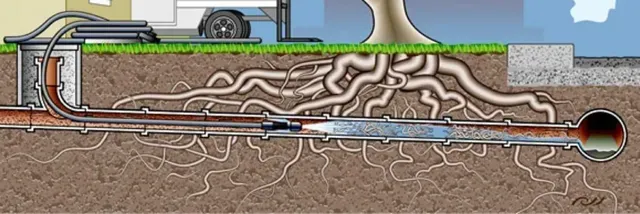
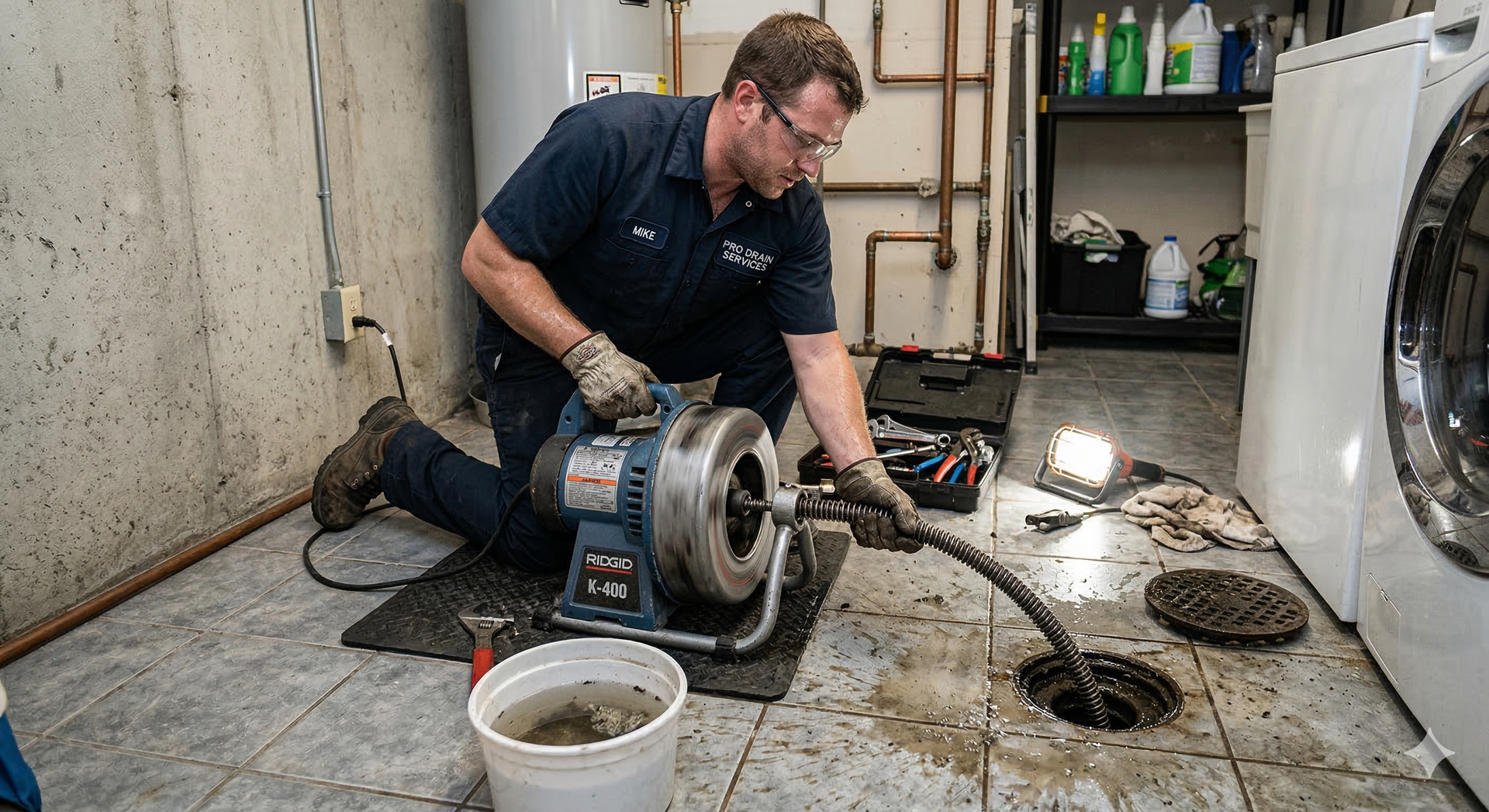
When an emergency plumber arrives to address a severe garbage disposal clog, the first step is typically a thorough visual and functional inspection of the unit and surrounding plumbing. The technician will cut power to the disposal at the breaker or switch to ensure electrical safety, then inspect the sink, drain, and exposed piping for visible leaks, corrosion, or signs of excessive pressure buildup. From there, a combination of specialized tools is often used to locate and clear the blockage. A plumber may deploy a hand‑operated drain snake or an electric drain auger to probe past the disposal and into the connected drain line, feeling for obstructions such as hardened grease, intruding roots, or compacted food debris. In some cases, a camera inspection may be run into the pipe to visually confirm the clog’s location, size, and any damage to the pipe. Based on the findings, the plumber may mechanically clear the obstruction, hydro‑jet the line to remove stubborn buildup, or partially disassemble the disposal and nearby joints to remove the blockage directly. If the disposal is found to be damaged, corroded, or leaking beyond repair, the technician may recommend replacement rather than repeated attempts at clearing, which helps prevent future emergencies.
When the disposal itself needs replacement instead of clearing
A clogged garbage disposal does not always mean that simple unclogging is enough; in many instances, the unit itself may be nearing the end of its useful life and should be replaced rather than repeatedly cleared. Signs that a disposal may need replacement include persistent grinding problems even after clearing, frequent jams despite careful use, ongoing foul odors that do not respond to regular cleaning, and visible rust or corrosion on the unit’s body or its connections. Older models may also lack modern safety features, efficient grinding mechanisms, or durability in heavy‑use environments, making them more prone to overheating, vibration, and leaks. In homes with large families or frequent entertaining, these issues can quickly become recurring clogs that undermine the very convenience a disposal is meant to provide. When a plumber determines that the motor is burned out, the grinding chamber is cracked, or the unit is leaking from internal seals or piping connections, the sensible course of action is replacement. Installing a new, higher‑quality disposal at the same time can also offer quieter operation, improved performance, and better compatibility with modern plumbing materials and practices.
The role of emergency services and professional teams
Emergency plumbing services are designed specifically to handle situations such as a severe garbage disposal clog, where waiting for a routine appointment could result in escalating water damage or health risks. Many plumbing companies provide 24/7 emergency services, allowing technicians to respond quickly, often during evenings, weekends, or holidays, to address clogs, leaks, and overflows. These services typically include rapid dispatch, on‑site diagnosis, and immediate action to stop leaks, clear blockages, and secure the plumbing system so that homeowners can begin cleaning and repairs without further setbacks. Professional teams such as All City Plumbers come equipped with the necessary tools, replacement parts, and in‑depth experience to resolve complex disposal issues efficiently, whether the solution involves snaking the drain, replacing seals, or installing a new disposal unit. Relying on these experts helps homeowners avoid the risks of using incorrect tools, causing additional damage, or exposing themselves to electrical or water hazards during an already stressful situation.
Preventive strategies that reduce future emergencies
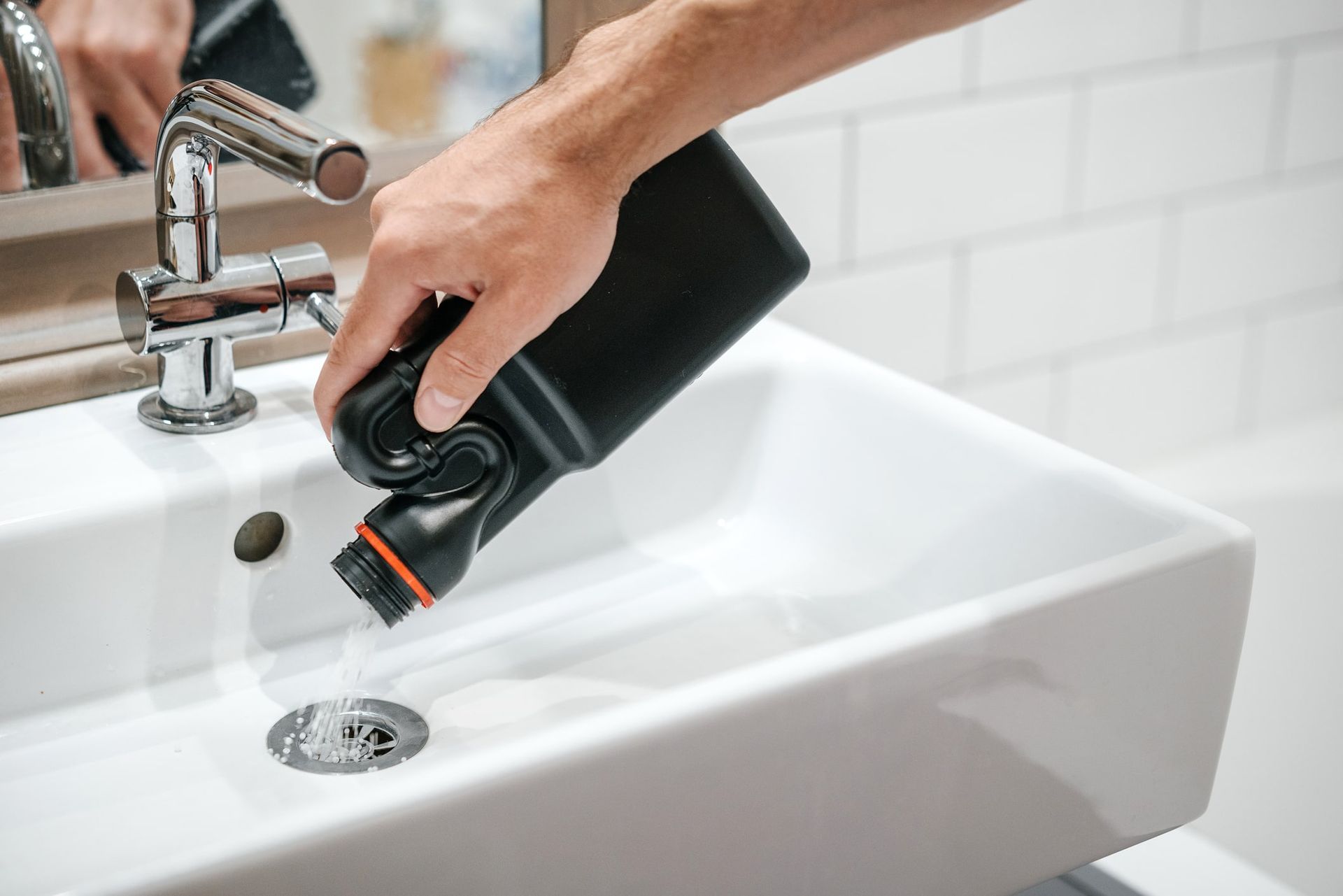
Once a severe garbage disposal clog has been resolved by an emergency plumber, it is an excellent opportunity to reassess how the unit is used and maintained on a daily basis. One of the most important habits is to avoid putting inappropriate materials into the disposal, including fibrous vegetables such as celery and corn husks, large bones, coffee grounds, starchy foods like pasta or rice in bulk, and cooking grease or oils. These items either jam the grinding mechanism or create stubborn deposits that slowly constrict the drain line. Running a steady stream of cold water before, during, and after using the disposal helps flush particles through the system and keeps the motor properly cooled. Periodically running ice cubes through the unit can help scrape away minor buildup, while occasional cleaning with safe combinations such as baking soda and vinegar can help deodorize and maintain a cleaner interior. Regular checks for leaks, slow drainage, or unusual noises, combined with these simple routines, can keep the disposal operating smoothly and reduce the risk of future emergencies.
Why preventive plumbing maintenance always pays off
The broader lesson of a major garbage disposal clog is that many plumbing emergencies are not sudden surprises but the result of long‑standing habits and overlooked warning signs. When homeowners clean the disposal regularly, avoid overloading it, and respond promptly to minor issues such as slow drains or odd noises, they significantly reduce the likelihood of a full‑scale blockage that requires emergency services. In many cases, small clogs can be cleared with simple tools or minor professional intervention, avoiding the need for more invasive repairs or replacement. Over time, this kind of proactive behavior translates into fewer service calls, less water damage, and a more reliable plumbing system overall. It is precisely through these everyday practices that why preventive plumbing maintenance always pays off becomes evident: small investments in time and attention yield substantial savings in repair costs, stress, and potential property damage. Treating the garbage disposal as a critical part of the home’s plumbing infrastructure, rather than just a convenient appliance, helps keep kitchens running smoothly and minimizes the need for unplanned emergency plumber visits.
Conclusion
A clogged garbage disposal can quickly evolve from a minor inconvenience into a serious plumbing emergency when warning signs are ignored or addressed improperly. Recognizing red flags such as complete drainage failure, persistent odors, visible leaks, or multiple fixtures backing up is key to knowing when to call an emergency plumber instead of continuing with DIY attempts. Professional teams can diagnose, clear, or replace the disposal safely and efficiently, limiting water damage and restoring normal function. At the same time, adopting simple preventive habits—using the disposal correctly, avoiding harmful materials, and performing regular maintenance—helps avoid recurring clogs and costly repairs. By integrating these practices into daily life and relying on reliable emergency services when needed, homeowners can protect their kitchens, their wallets, and their peace of mind for years to come.