Emergency Vs Routine Drain Cleaning For Homes
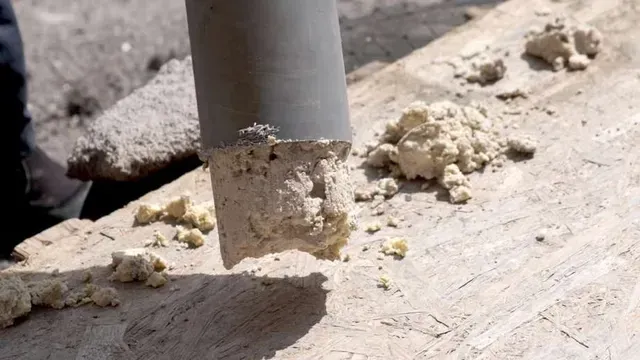
Drain cleaning in homes serves as a frontline defense against clogs and backups, but the distinction between emergency and routine approaches fundamentally shapes their execution, cost, and outcomes. Emergency drain cleaning addresses sudden, severe blockages that threaten immediate flooding, sewage overflow, or structural damage, often triggered by grease buildup, tree roots invading sewer lines, or flushed non-degradable items like wipes and sanitary products. These crises demand rapid intervention within hours, as standing water breeds bacteria and mold while risking health hazards from raw sewage exposure. In contrast, routine drain cleaning operates on a preventive schedule, typically quarterly or biannually, targeting gradual accumulations of soap scum, hair, and mineral deposits before they escalate.
The urgency of emergencies justifies specialized techniques and higher pricing, reflecting after-hours availability and heavy-duty equipment mobilization. Routine services, however, emphasize gentle, eco-friendly methods to preserve pipe integrity over repeated cleanings. Understanding these differences empowers homeowners to prioritize accordingly: neglecting routine care invites emergencies, while over-relying on crisis response inflates expenses. Professional teams excel in both realms, tailoring strategies to the scenario's severity and delivering lasting results.
Identifying When Drain Cleaning Becomes an Emergency
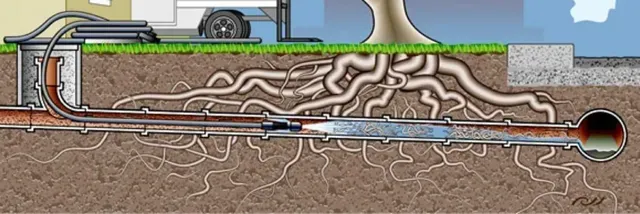
Recognizing the tipping point from minor slowdown to full emergency hinges on observable symptoms and their implications. Slow drains might signal routine issues, but when multiple fixtures back up simultaneously—such as sinks gurgling while toilets overflow—it indicates a main line obstruction requiring emergency services. Gurgling sounds, foul odors emanating from drains, or sewage seeping into basements confirm a critical blockage, often deep in the sewer lateral. Water pooling around floor drains or backups during heavy rain point to root intrusion or collapsed pipes, demanding immediate action to avert widespread flooding.
Homeowners should monitor usage patterns: sudden failures after hosting guests or during seasonal changes like fall leaves clogging outdoor drains elevate risks. In these scenarios, delaying response amplifies damage—carpet ruin, wall saturation, and electrical shorts from water contact. Prompt assessment by experts, including camera inspections to visualize blockages, differentiates salvageable routine cases from true emergencies. This vigilance not only saves time but protects property value and family health.
Step-by-Step Repair Process for Emergency Drain Cleaning
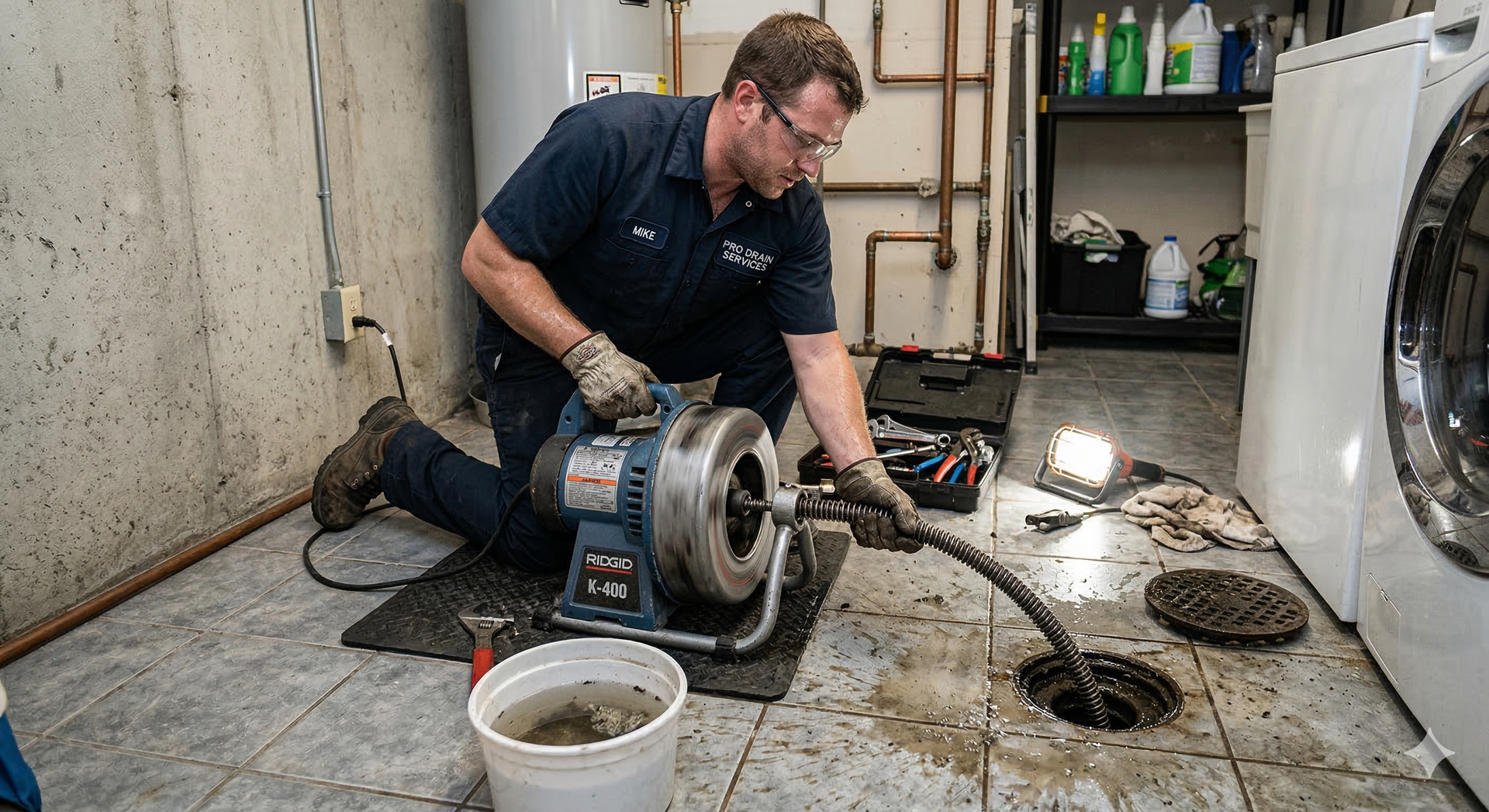
The repair process for emergency drain cleaning unfolds methodically to restore flow swiftly while minimizing invasiveness. Upon arrival, technicians perform a high-resolution video inspection via snake-mounted cameras, navigating pipes to locate the clog's nature—be it a dense grease cap, root mass, or foreign object. Access points like cleanouts or the nearest fixture receive initial hydro-jetting, blasting pressurized water at 3,000-4,000 PSI through specialized nozzles that spin and cut through obstructions without pipe abrasion.
For stubborn blockages, mechanical augers with cutting heads follow, rotating to pulverize debris and retrieve solids via retrieval cables. Stubborn root intrusions necessitate chemical foaming agents or milling cutters for severance, followed by bacteriological treatments to inhibit regrowth. Throughout, water flow tests verify clearance, and the process concludes with a full-line flush to evacuate remnants. This comprehensive sequence, often completed in 2-4 hours, halts the crisis and prevents immediate recurrence, underscoring why swift emergency services from providers like All City Plumbers deliver unmatched efficiency.
Leak Isolation Techniques During Drain Repairs
Even during drain cleaning, plumbers must adeptly handle associated leaks, isolating them to prevent water loss and further damage. Isolation begins with pressure testing the affected line using air or smoke machines to detect pinhole leaks or joint failures exacerbated by clogs. Test plugs seal sections upstream and downstream, allowing precise pressure monitoring to pinpoint breaches without widespread shutdown. For underground drains, acoustic correlators listen for hissing escapes, guiding targeted excavation.
Once isolated, temporary compression bands or inflatable stoppers contain leaks, enabling safe debris removal. This integration of leak isolation into cleaning ensures repairs address root causes holistically, avoiding patchwork fixes that fail under pressure.
Effective Patching Methods Post-Cleaning
Patching follows cleaning to seal any damage revealed or caused during the process, employing durable methods matched to pipe type and leak extent. For PVC or ABS drains, slip-fit couplings slide over damaged sections, glued with PVC cement for a watertight bond cured in minutes. Corrugated or cast-iron lines receive CIPP (cured-in-place pipe) liners, where epoxy-soaked felt tubes inflate inside the host pipe, hardening into a seamless new barrier resistant to future clogs.
Minor cracks benefit from polyurethane injections that expand to fill voids, while flange repairs secure loose connections with neoprene gaskets and stainless clamps. Each patch undergoes hydrostatic testing at elevated pressures, ensuring zero seepage before backfilling. These techniques not only restore but upgrade drain resilience, extending service life by decades.
Long-Term Maintenance Strategies for Drain Health
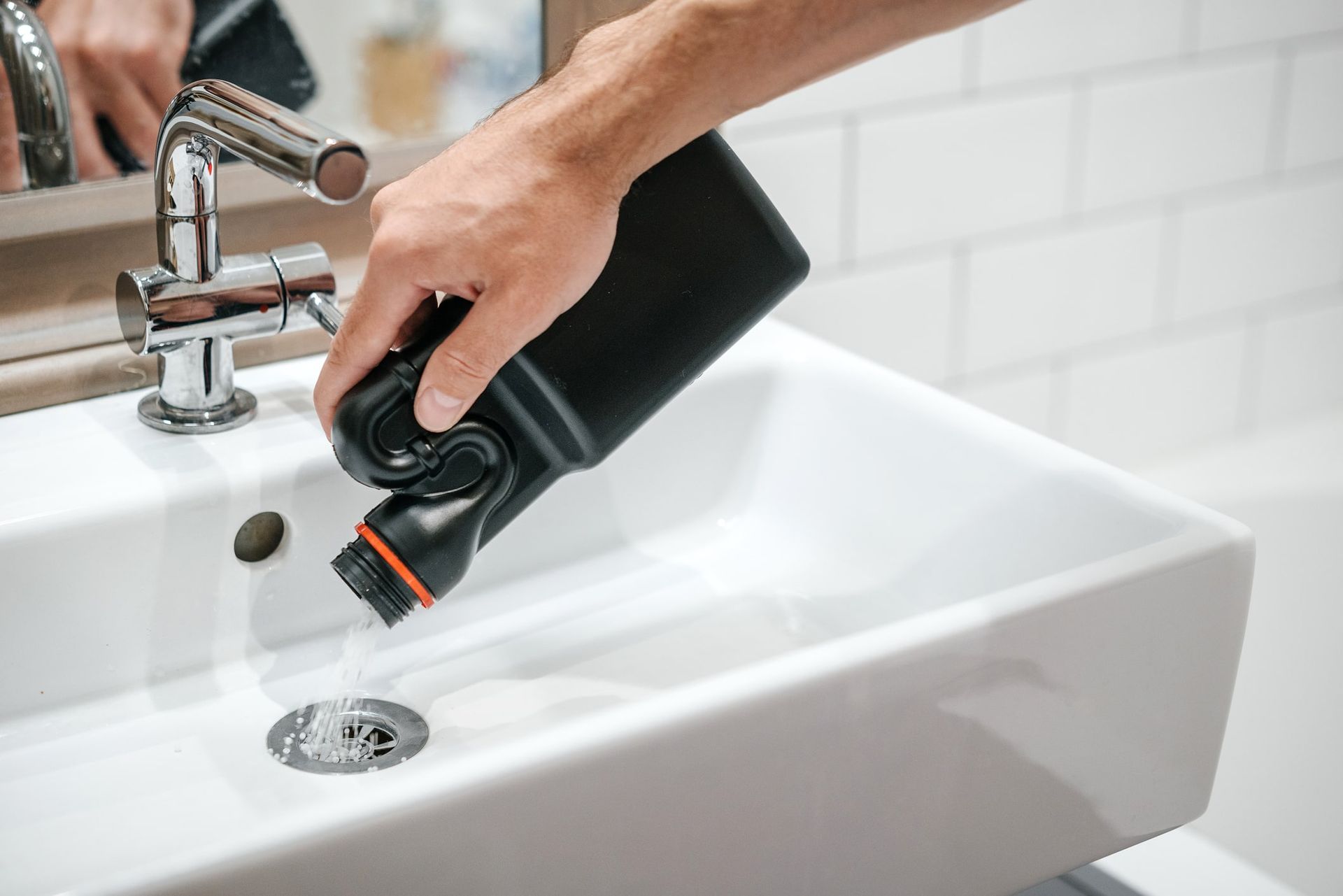
Sustaining clean drains demands proactive long-term maintenance, blending homeowner habits with professional oversight. Routine enzymatic cleaners monthly dissolve organic buildup without harsh chemicals, complemented by hot water flushes weekly to melt grease. Installing drain screens traps hair and debris, while avoiding fats, oils, and grease (FOG) disposal prevents cap formation. Annual hydro-jetting by pros clears hidden scales, and root barriers or copper sulfate treatments deter invasions.
Smart monitoring via flow sensors alerts to slowdowns early. For resilience during disruptions, understanding how to keep your plumbing running during power failures proves essential—manual sump pumps, gravity drains, and battery backups maintain functionality when electricity falters. These layered strategies minimize emergencies, optimizing system performance year-round.
Conclusion
In summary, understanding the distinction between emergency and routine drain cleaning empowers homeowners to take a far more strategic approach to plumbing maintenance, reducing the likelihood of severe disruptions and costly repairs. Emergency drain cleaning is designed to respond to immediate threats such as overflowing drains, sewage backups, burst pipes, and severe blockages that jeopardize property safety and sanitation. These situations often require rapid diagnostics, industrial-grade equipment, leak isolation procedures, and temporary or permanent repairs to stabilize the plumbing system before further damage occurs. Routine drain cleaning, by contrast, focuses on prevention through scheduled maintenance, gradual buildup removal, and early detection of developing issues before they escalate into emergencies. Together, these approaches form a balanced plumbing care strategy that protects both the functionality and lifespan of residential drainage systems.
Long-term plumbing resilience depends not only on reactive repairs but also on proactive preparation and consistent system oversight. Factors such as grease accumulation, mineral deposits, invasive tree roots, fluctuating water pressure, aging pipelines, and unexpected utility interruptions can all place additional stress on drains and waterlines over time. Incorporating preventative inspections, regular cleaning schedules, durable repair solutions, and even planning for scenarios involving power outages helps homeowners maintain stable and efficient plumbing performance under changing conditions. Experienced plumbing professionals bring specialized expertise, advanced diagnostic technology, and preventative insight that allow small vulnerabilities to be addressed before they become major structural or financial burdens. Through this combination of emergency readiness and ongoing maintenance, homeowners can preserve uninterrupted comfort, protect property value, and ensure their plumbing systems continue operating reliably for years to come.