Signs Your Main Waterline Needs Immediate Replacement
The main waterline is the critical pipeline that delivers fresh water from the municipal supply or well to your home, and its failure can lead to significant water damage, costly repairs, and disrupted daily life. Several clear indicators suggest that your main waterline may need immediate replacement rather than temporary repairs. Persistent low water pressure throughout the house, discolored or rusty water, unexplained wet spots or soggy patches in your yard, unusually high water bills, and frequent pipe leaks are among the most common warning signs. When multiple symptoms appear simultaneously, it often signals that the pipe has reached the end of its usable life and requires comprehensive waterline repair and replacement to restore reliable service.
Understanding the Age and Material of Your Waterline
The age and material of your waterline play a crucial role in determining whether replacement is necessary. Pipes made from galvanized steel, cast iron, or polybutylene are prone to corrosion, mineral buildup, and structural failure after 20 to 50 years of service. Copper pipes last longer but can still develop pinhole leaks due to water chemistry or installation issues. If your home was built before the 1970s, there is a high probability that your waterline contains outdated materials that no longer meet current codes or performance standards. Professionals from companies like All City Plumbers often recommend full replacement when older pipe materials show signs of widespread deterioration, as repeated patching becomes cost-ineffective and unreliable over time.
The Professional Repair Process for Main Waterline Issues
When a main waterline problem is identified, a professional plumber begins with a systematic diagnostic process to assess the extent of damage and determine the best course of action. The technician will first perform a thorough inspection using specialized equipment such as video pipe cameras, pressure testing devices, and acoustic leak detectors to locate the exact position and severity of the issue. Once the problem is confirmed, the plumber will develop a detailed repair plan that includes excavation strategy, pipe material selection, and timeline estimation. This methodical approach ensures that the replacement is performed efficiently while minimizing disruption to your property and landscape.
Leak Isolation Techniques to Prevent Further Damage
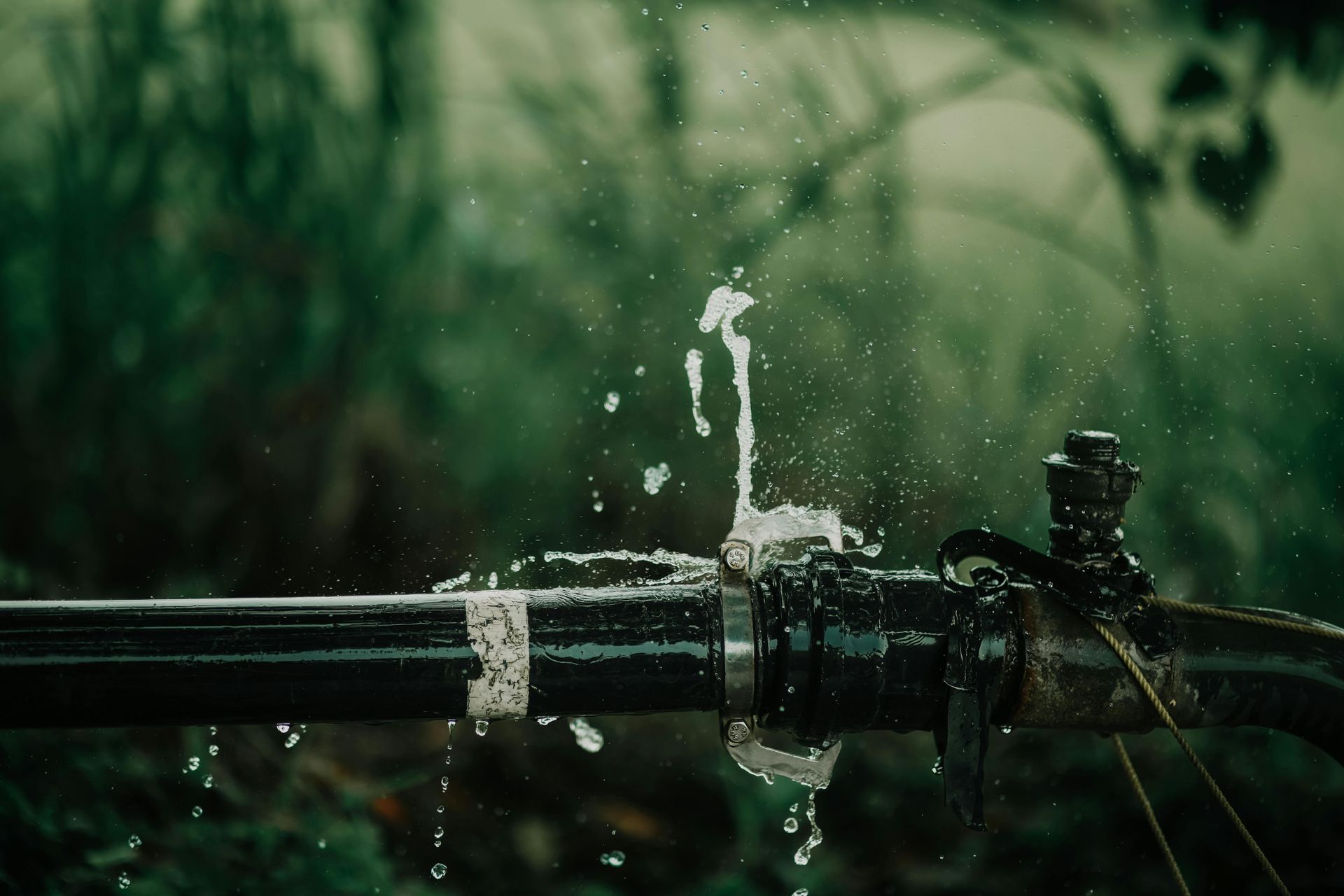
Leak isolation is a critical step in managing main waterline failures and preventing extensive water damage to your home and property. When a leak is detected, the plumber will immediately shut off the main water supply to stop the flow and contain the situation. In some cases, localized isolation valves may be used if they are accessible and functional, but for main line failures, shutting off the primary supply is typically necessary. Effective isolation not only prevents additional water loss but also creates a safe working environment for the repair crew. Prompt isolation reduces the risk of foundation damage, soil erosion, mold growth, and landscape destruction that can occur when water continues to flow unchecked from a compromised line.
Temporary Patching Methods vs. Permanent Replacement Solutions
Temporary patching methods can provide short-term relief when a main waterline leak occurs, but they are rarely a long-term solution for aging or severely damaged pipes. Common temporary repairs include using rubber repair clamps, epoxy putty, slip-on couplings, or compression fittings to seal small leaks quickly. These methods are useful for stabilizing the situation until a permanent repair can be scheduled, especially during emergency situations. However, when a waterline shows signs of widespread corrosion, multiple leak points, or structural weakness, patching becomes a stopgap measure that will likely require repeated interventions. Professional waterline repair and replacement offers a permanent solution by installing new, durable piping that meets current standards and provides reliable service for decades.
Excavation and Pipe Replacement Techniques
Modern waterline replacement involves various excavation and installation techniques designed to minimize property disruption while ensuring a durable, long-lasting repair. Traditional trench excavation requires digging a trench along the path of the existing pipe to expose it for removal and replacement. This method allows for complete inspection of the surrounding soil and infrastructure but can damage landscaping, driveways, and hardscapes. Trenchless technologies such as pipe bursting or directional boring offer alternatives that require only small access points, reducing surface disruption significantly. The choice of technique depends on soil conditions, pipe depth, property layout, and budget considerations, and experienced plumbers will recommend the most appropriate method for each specific situation.
Long-Term Maintenance Strategies for Waterline Health
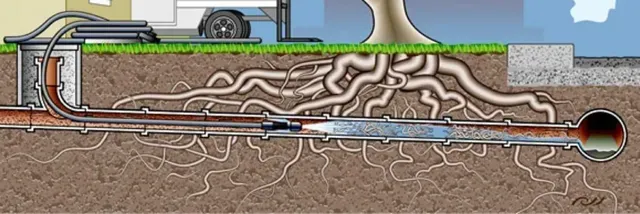
Implementing long-term maintenance strategies is essential for preserving waterline integrity and preventing future emergencies. Regular inspections using video camera technology can identify early signs of corrosion, root intrusion, or joint failure before they become critical problems. Homeowners should monitor water pressure regularly, check for signs of moisture in the yard, and address any discoloration or changes in water quality promptly. Installing backflow prevention devices, water softeners in areas with hard water, and proper filtration systems can extend the life of your waterline by reducing mineral buildup and corrosion. Additionally, maintaining proper soil drainage around the waterline path prevents excessive moisture accumulation that can accelerate pipe deterioration.
Energy Efficiency Considerations Related to Water Systems
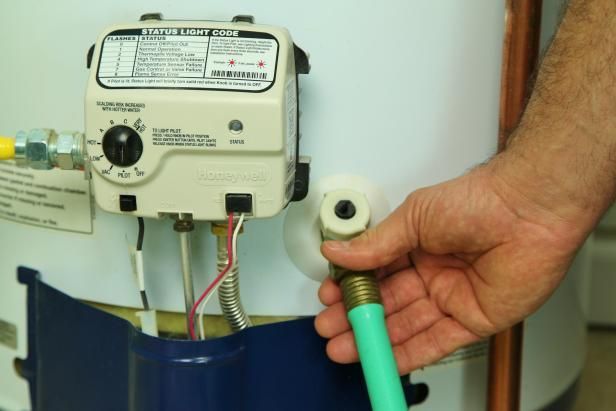
While the main waterline itself does not directly impact energy consumption, the overall water system efficiency is interconnected with other household components. Homeowners often inquire about ways to reduce energy loss from aging water heater tanks? The answer lies in proper insulation of both the water heater and the hot water lines that branch from it. When a main waterline replacement is performed, it presents an opportunity to upgrade hot water piping with better insulation materials, install energy-efficient fixtures, and ensure proper spacing between hot and cold lines to minimize heat transfer. These improvements complement waterline replacement by enhancing overall system performance and reducing utility costs.
Choosing the Right Professional for Waterline Replacement
Selecting a qualified professional for waterline replacement is crucial for ensuring quality workmanship, compliance with local codes, and long-term reliability. Look for licensed, insured plumbing contractors with specific experience in main line replacement and trenchless technologies. Reputable companies provide detailed written estimates, explain the repair process clearly, and offer warranties on both materials and labor. Firms such as All City Plumbers maintain high standards of service, employ trained technicians, and use modern equipment to deliver efficient, reliable results. Reading customer reviews, verifying credentials, and obtaining multiple quotes can help you make an informed decision that protects your investment and ensures peace of mind.
Conclusion
Recognizing the signs that your main waterline needs immediate replacement is essential for preventing catastrophic water damage and maintaining a reliable water supply. Warning indicators such as persistent low pressure, discolored water, yard saturation, and frequent leaks signal that temporary repairs will no longer suffice and that comprehensive waterline repair and replacement is necessary. Working with experienced professionals ensures that the replacement is performed correctly, using appropriate materials and techniques that provide long-term durability and compliance with current standards.
Investing in timely waterline replacement protects your property from extensive damage, reduces water waste, and improves overall system efficiency. Long-term maintenance strategies, including regular inspections and proactive upgrades, extend the life of your new waterline and prevent future emergencies. By addressing main waterline issues promptly and choosing qualified contractors, homeowners can ensure reliable water service, protect their investment, and avoid the higher costs associated with delayed repairs.