How to Stop Sewage Smells Coming From Your Drains?
Sewage smells coming from your drains are a common household problem that indicates underlying issues in your plumbing system that require attention. These unpleasant odors typically stem from dried-out P-traps, broken or missing vent pipes, clogged drain lines, bacterial buildup, or compromised sewer line seals. When water evaporates from the P-trap beneath your sink, toilet, or floor drain, it removes the water barrier that prevents sewer gases from entering your home. Similarly, blocked vent pipes prevent proper air circulation, creating negative pressure that pulls sewer gases back through drains. Identifying the root cause is essential for implementing the correct solution and preventing recurrence, as temporary masking with air fresheners does not address the underlying plumbing problem.
Diagnosing the Source of Sewage Odors in Your Home
Accurately diagnosing the source of sewage odors is the first critical step toward permanent resolution. Start by identifying which drains are emitting the smell, noting whether it affects a single fixture or multiple locations throughout the house. A single affected drain typically indicates a localized problem such as a dried P-trap or localized clog, while odors from multiple drains suggest systemic issues like vent pipe problems or sewer line complications. Perform a simple test by pouring water down drains that are infrequently used, such as floor drains, guest bathroom sinks, or basement fixtures, to refill dried P-traps and observe whether the odor diminishes. Check for other symptoms including gurgling sounds when water drains, slow drainage, or visible water stains that may indicate leaks. If the smell persists after refilling P-traps, the issue likely involves venting, blockages deeper in the line, or sewer line damage requiring professional assessment.
The Role of P-Traps in Preventing Sewer Gas Entry
P-traps are U-shaped pipe sections installed beneath every drain fixture that serve as the primary barrier against sewer gas entering your home. These traps hold a small amount of water that creates an airtight seal, blocking sewer gases while allowing wastewater to flow through. When fixtures are not used regularly, the water in the P-trap can evaporate, breaking the seal and allowing odors to escape. This is particularly common in floor drains, guest bathroom sinks, laundry room drains, and outdoor cleanup sinks that see infrequent use. To restore the seal, simply pour a gallon of water down the affected drain to refill the P-trap. For drains prone to evaporation, adding a small amount of mineral oil on top of the water creates a barrier that slows evaporation and extends the time between refills. Ensuring all P-traps contain water is a fundamental step in eliminating sewage smells and maintaining proper plumbing function.
Addressing Vent Pipe Problems That Cause Sewage Odors
Vent pipes are essential components of your plumbing system that allow air to enter drain lines, maintaining proper pressure and enabling wastewater to flow smoothly. When vent pipes become blocked by debris, bird nests, ice, or tree roots, negative pressure develops in the drain system, pulling water from P-traps and allowing sewer gases to escape through drains. Vent pipe problems often manifest as gurgling sounds when water drains, slow drainage across multiple fixtures, or sewage odors that affect several locations in the house. Inspecting vent pipes on your roof for visible blockages is a safe first step, though working at heights requires caution. If you suspect vent pipe issues but cannot safely access or clear them, professional plumbers have the equipment and expertise to diagnose and clear vent obstructions. Reputable companies like All City Plumbers employ technicians trained in vent system diagnosis and repair, ensuring proper airflow is restored and sewage smells are eliminated at the source.
The Professional Repair Process for Sewage Odor Problems
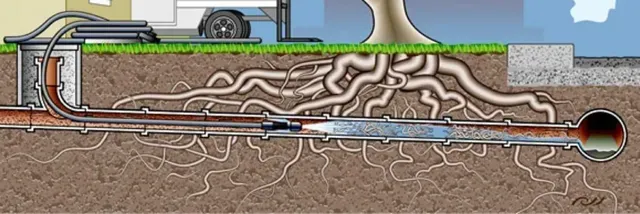
When DIY methods fail to eliminate sewage odors, professional intervention becomes necessary to diagnose and repair complex plumbing issues. Professional technicians begin with a comprehensive assessment that includes visual inspection of accessible plumbing components, water flow testing, and may involve video camera inspection of drain lines to identify hidden blockages, cracks, or bellied pipes. For P-trap issues, technicians verify proper installation, check for leaks, and ensure the trap is sized correctly for the fixture. Vent pipe problems may require roof access to clear obstructions or may involve installing additional vent lines if the existing system is inadequate. When sewer line damage is detected, such as cracks, tree root intrusion, or collapsed sections, the repair process may involve excavation, trenchless pipe bursting, or pipe lining techniques. This systematic approach ensures that the root cause is identified and addressed, preventing recurrence and restoring proper plumbing function.
Leak Isolation Techniques for Sewage Odor Sources
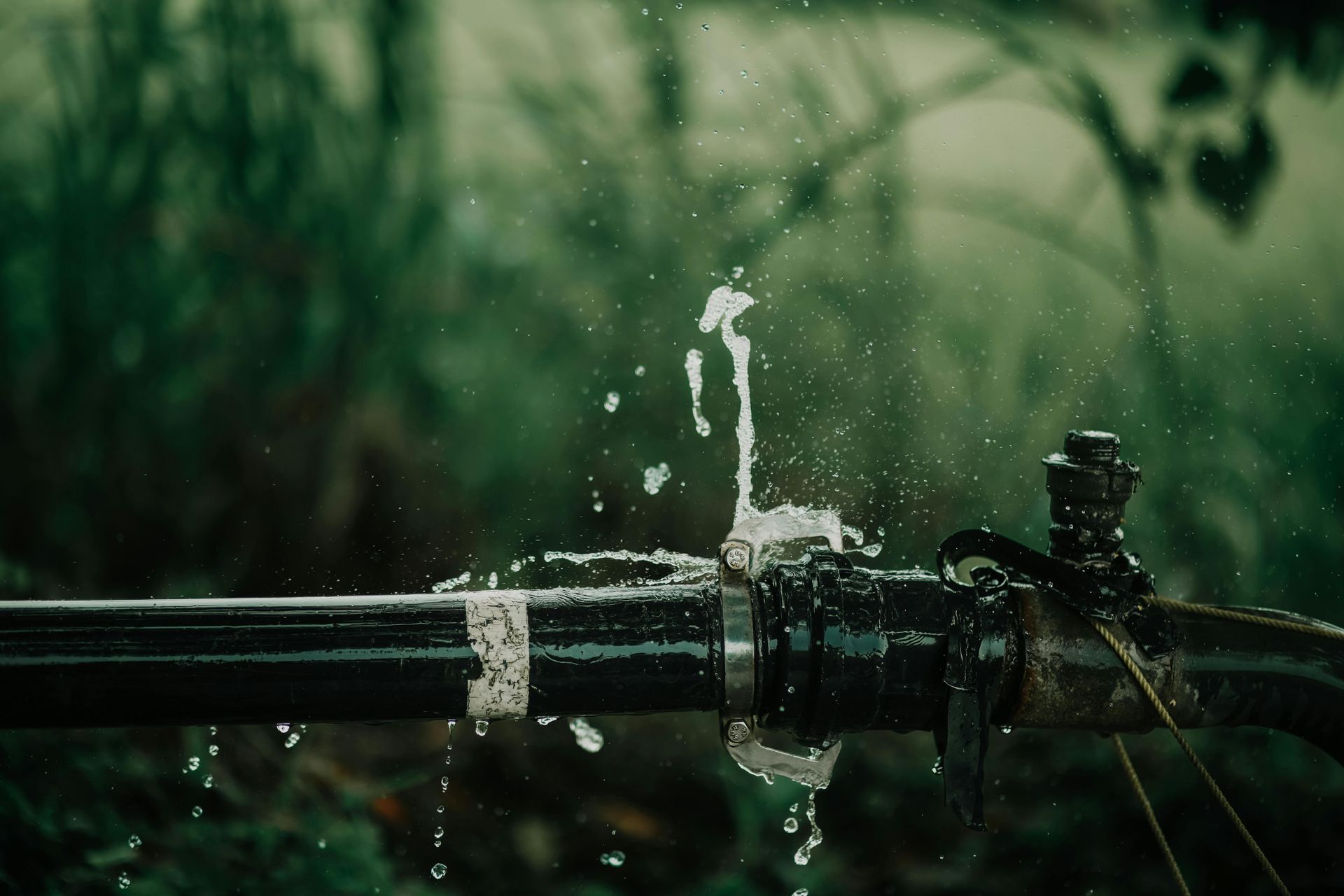
Leak isolation is a critical diagnostic technique when troubleshooting sewage odors, as it helps pinpoint whether the problem originates from a specific fixture, a section of drain line, or the main sewer line. To isolate the source, technicians and homeowners can systematically test each drain by plugging it, filling it with water, and observing whether odors persist or whether water leaks develop. For floor drains, pouring water and covering the drain with a plastic bag weighted down with a bucket of water creates a temporary seal that determines if that specific drain is the odor source. If odors stop when a particular drain is isolated, that fixture is the problem. If odors continue despite isolating multiple drains, the issue likely lies in the main sewer line or vent system. This methodical isolation process prevents unnecessary repairs and ensures resources are directed toward the actual problem area.
Temporary Patching Methods for Immediate Odor Control
Temporary patching methods can provide immediate relief from sewage smells while you arrange for professional repairs or prepare for more permanent solutions. For dried P-traps, pouring water down the drain is the simplest and most effective temporary fix, restoring the water seal that blocks sewer gases. For drains with persistent odors due to bacterial buildup, pouring a mixture of baking soda followed by vinegar, then flushing with hot water after fifteen minutes, can reduce odors temporarily by breaking down organic matter. Installing a drain cover or stopper in infrequently used drains reduces air circulation and slows evaporation, extending the time between refills. For floor drains prone to evaporation, pouring a small amount of mineral oil after refilling with water creates a floating barrier that significantly slows evaporation. These temporary measures provide immediate relief but do not address underlying issues such as vent blockages, cracked pipes, or sewer line damage that require professional repair.
Drain Clearing Techniques for Clog-Related Odors
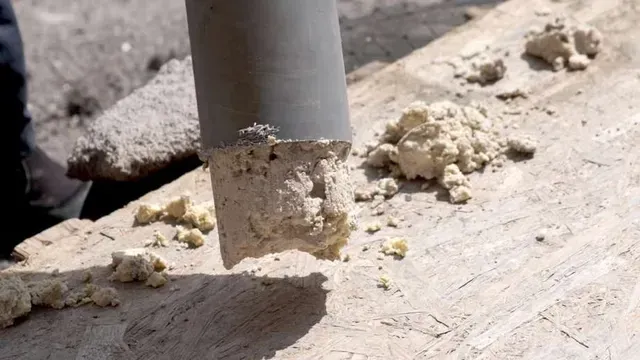
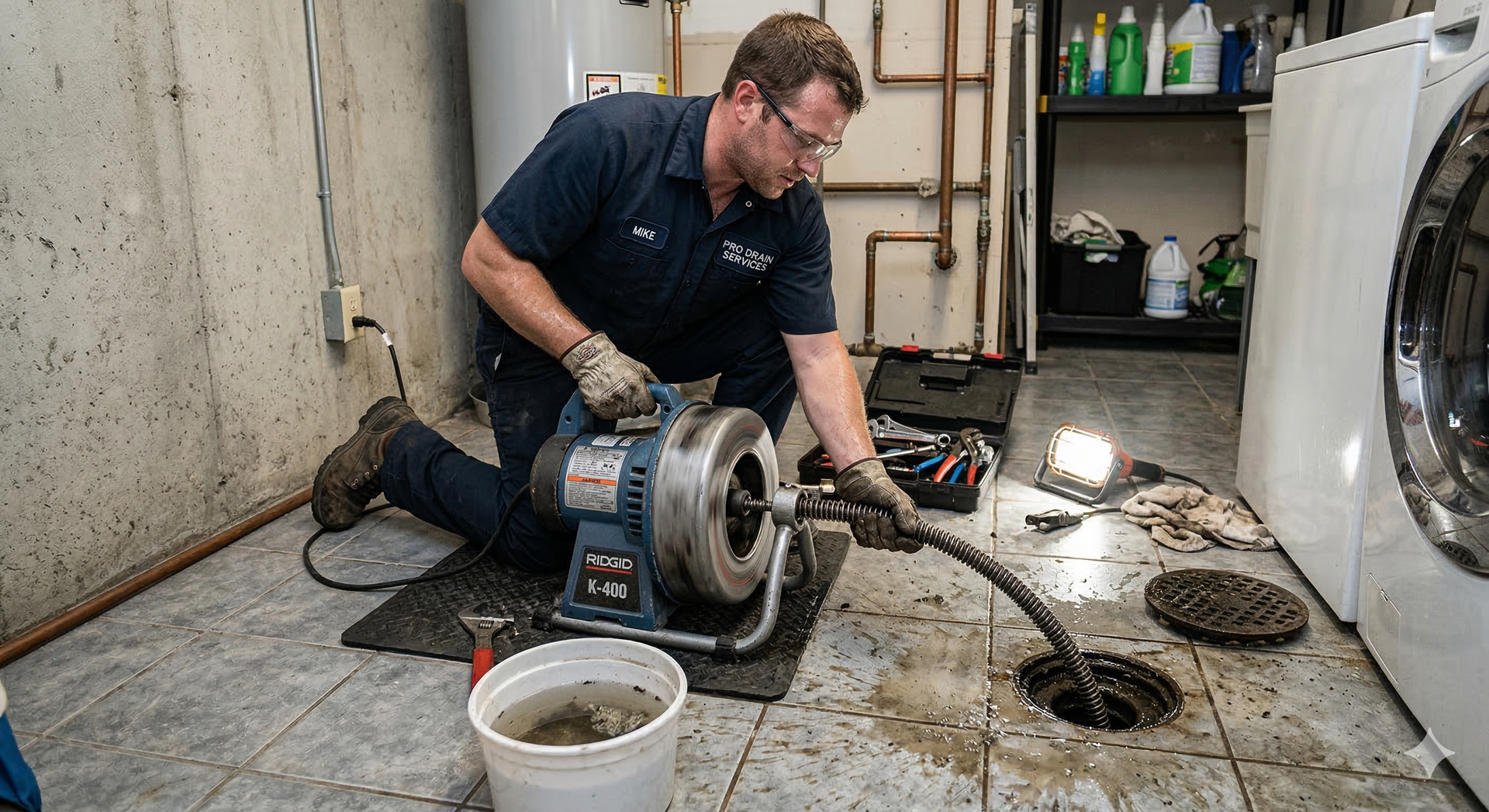
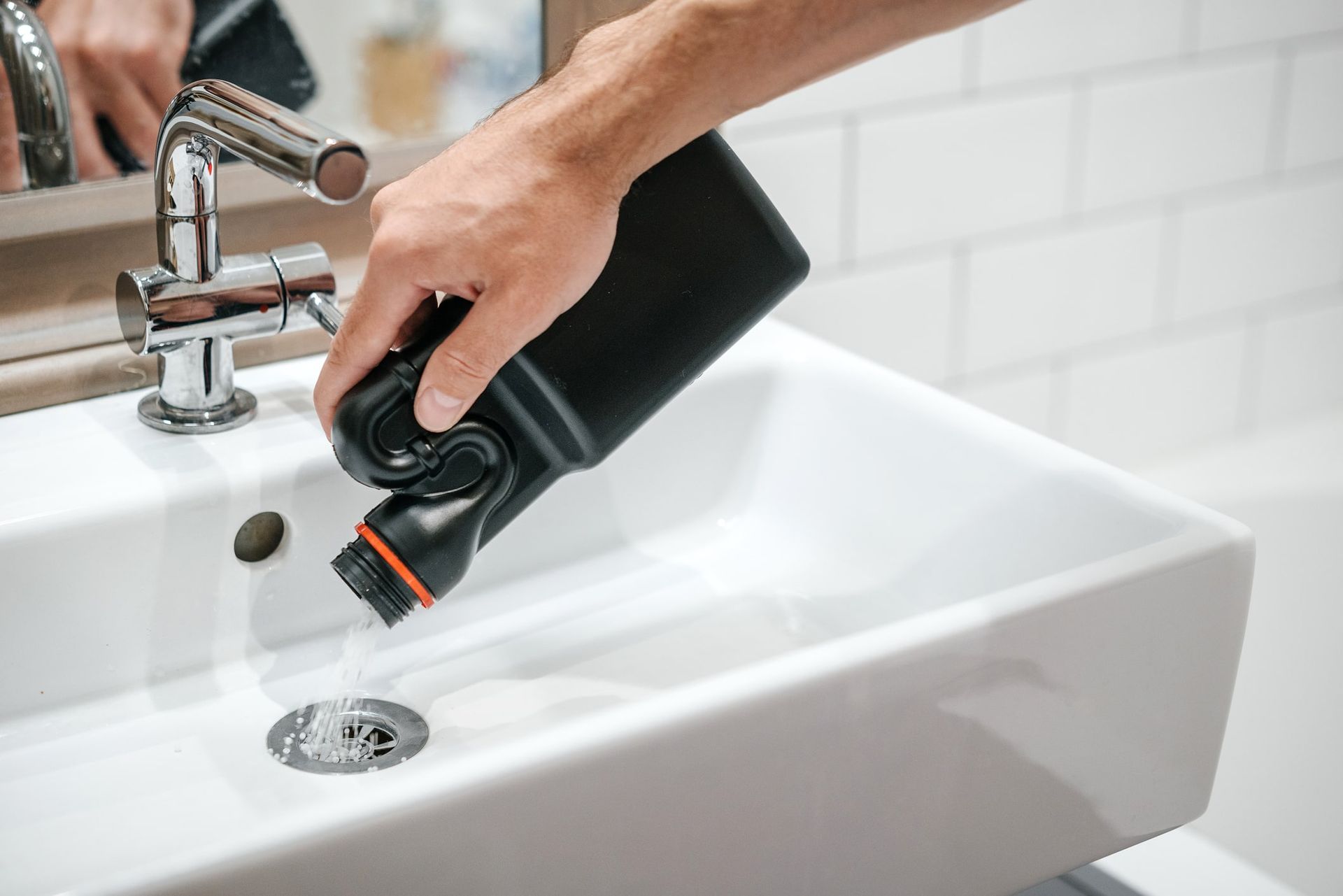
Clogged drain lines are a common cause of sewage smells, as accumulated food waste, grease, hair, and soap scum decompose and release odors that escape through drains. Effective drain clearing removes these buildup materials and restores proper flow, eliminating the source of odors. For minor clogs, using a plunger can dislodge blockages near the drain opening, while a drain snake or auger can reach deeper clogs in the P-trap or branch line. Chemical drain cleaners should be used sparingly as they can damage pipes over time and are less effective on organic buildup compared to mechanical methods. For stubborn clogs or building-wide drainage issues, professional drain clearing services use high-pressure water jetting, motorized augers, or video inspection equipment to locate and remove blockages completely. Regular drain clearing as part of your maintenance routine prevents buildup accumulation and the associated odors, keeping your plumbing system functioning properly.
Long-Term Maintenance Strategies to Prevent Sewage Odors
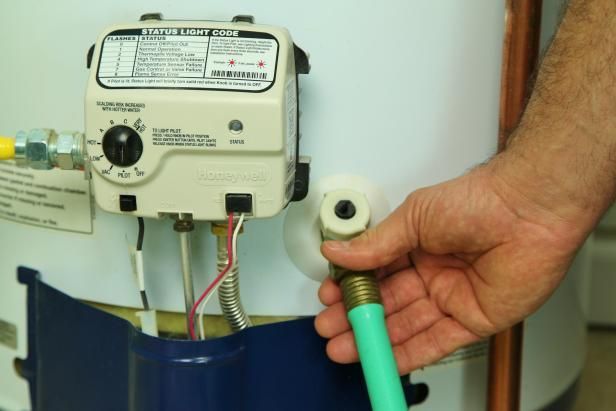
Implementing long-term maintenance strategies is essential for preventing sewage odors from recurring and maintaining a healthy plumbing system. Regularly pour water down all drains, especially infrequently used fixtures, to keep P-traps full and maintain the water seal that blocks sewer gases. This includes floor drains, basement sinks, laundry drains, and outdoor cleanup stations that may be overlooked. Schedule annual professional inspections of your plumbing system, including video camera inspection of sewer lines to identify early signs of damage, root intrusion, or buildup before they become critical problems. Clean drains monthly using safe methods such as baking soda and vinegar followed by hot water flushes to prevent organic buildup. Adopt monthly home maintenance for garbage disposal and water heater to ensure both appliances function properly and do not contribute to drainage problems or odors. This includes running cold water through the garbage disposal while grinding, avoiding fibrous materials, flushing the water heater annually to remove sediment, and checking for leaks around both fixtures. Proper maintenance prevents odors, extends the life of your plumbing system, and reduces the frequency of costly emergency repairs.
When to Call Professional Plumbing Services for Sewage Odors
Knowing when to call professional plumbing services for sewage odors prevents minor problems from escalating into major issues and ensures proper diagnosis and repair. Professional assistance is necessary when DIY methods fail to eliminate odors after refilling P-traps and cleaning drains, when odors affect multiple fixtures throughout the house, when you notice gurgling sounds or slow drainage across multiple drains, when you detect visible water damage or stains suggesting leaks, or when you suspect sewer line damage such as cracks or tree root intrusion. Professional plumbers have specialized equipment including video cameras, air pressure testing devices, and motorized augers that enable accurate diagnosis and effective repair. They also possess the expertise to identify complex issues such as bellied pipes, improper slope, or vent system inadequacies that require comprehensive solutions. Delaying professional intervention when these signs appear allows problems to worsen, potentially leading to extensive water damage, health hazards from exposure to sewer gases, and significantly higher repair costs.
Conclusion
Stopping sewage smells from your drains requires accurately diagnosing the source, whether it is dried P-traps, blocked vent pipes, clogged drain lines, or sewer line damage, and implementing the appropriate solution. Simple measures like refilling P-traps with water and cleaning drains with baking soda and vinegar can eliminate odors caused by evaporation or minor buildup, while more complex issues require professional diagnosis and repair. Understanding the repair process, leak isolation techniques, and temporary patching methods empowers you to address problems effectively and know when professional intervention is necessary.
Long-term maintenance strategies prevent sewage odors from recurring and protect your plumbing system from damage. Regularly refilling P-traps, performing drain clearing as needed, scheduling annual professional inspections, and adhering to monthly home maintenance for garbage disposal and water heater create a comprehensive approach to plumbing care that eliminates odors and maintains system health. By addressing sewage smells promptly and maintaining your plumbing system proactively, you protect your home from health hazards, prevent costly damage, and ensure a fresh, odor-free living environment.