What Are The Best Plumbing Tools For A Garbage Disposal?
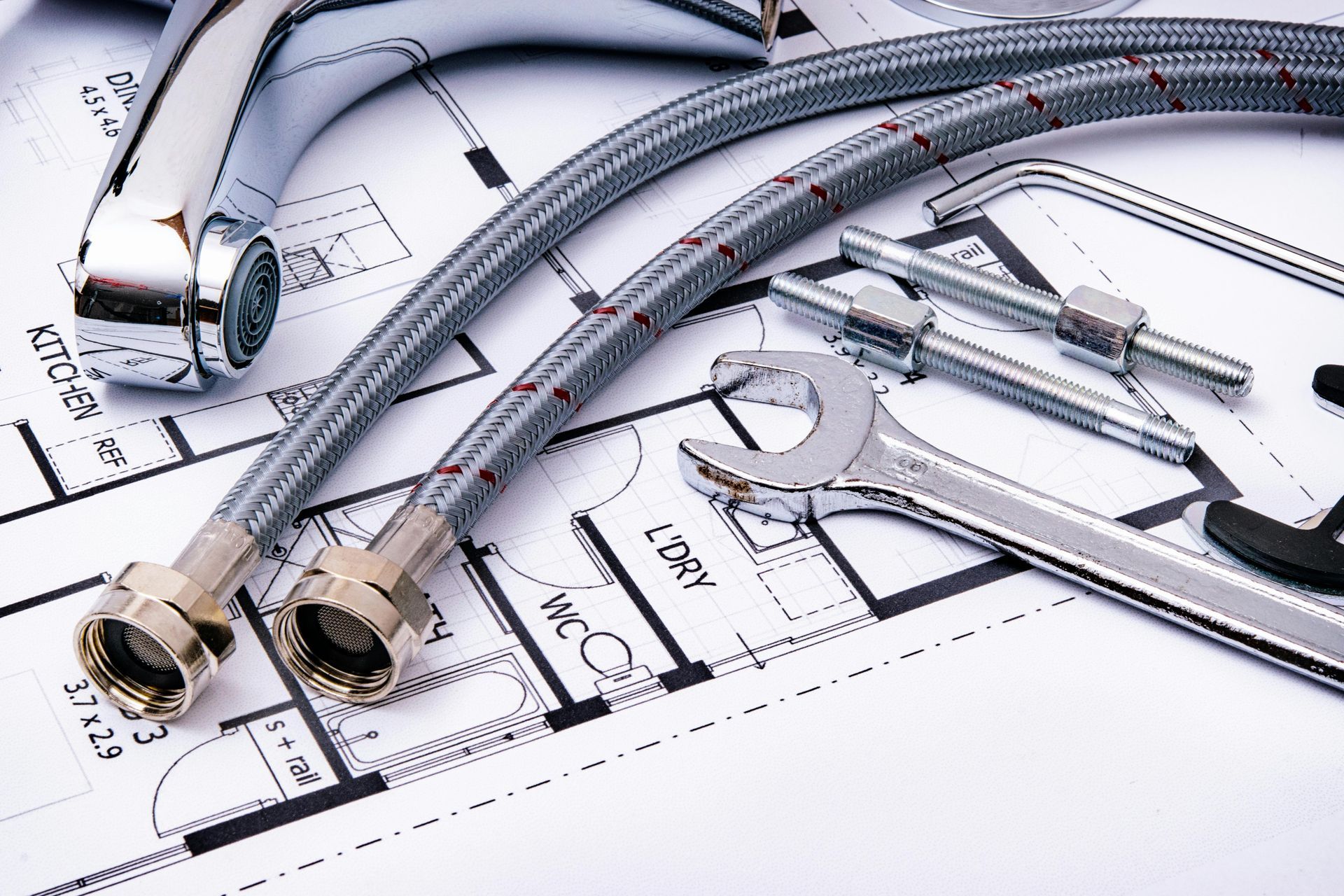
Garbage disposals handle everyday kitchen waste but require specific plumbing tools to address jams, leaks, or installation needs effectively. Professionals rely on a core set including the hex wrench, which inserts into the motor shaft at the unit's base to manually free stuck impellers caused by fibrous debris or bones. Adjustable pliers provide grip for mounting rings and splash guards, while pipe wrenches secure drain connections during disassembly. These tools enable quick diagnostics and minor fixes without full removal.
Selecting durable, ergonomic versions ensures repeated use withstands the torque demands of spinning blades and tight under-sink spaces. Quality matters in preventing slips that could damage porcelain sinks or injure hands.
The Repair Process Using Key Tools
The repair process for a malfunctioning garbage disposal starts with power isolation at the breaker, followed by using the hex wrench to rotate the motor clockwise and counterclockwise, dislodging obstructions. If impellers remain seized, adjustable pliers remove the lower mounting ring, allowing access to the cutter plate for cleaning or replacement. A plumber's flashlight illuminates the grind chamber, revealing hidden shards that could cause future jams.
For electrical faults, a multimeter tests continuity in the switch assembly, guiding targeted wiring repairs. All City Plumbers employs this methodical sequence, restoring functionality with minimal disruption to kitchen routines.
Leak Isolation Around the Disposal
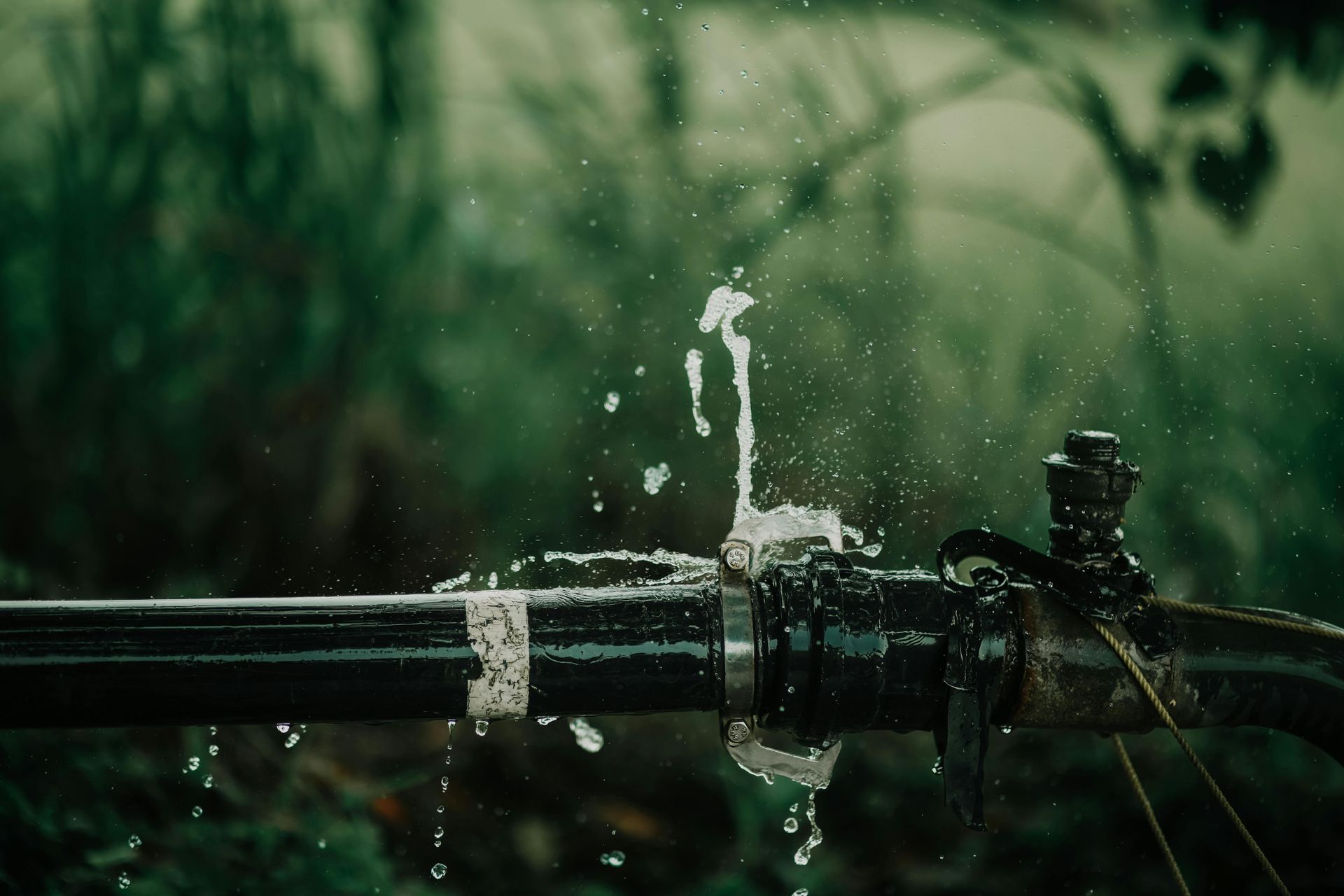
Leak isolation targets common failure points like the dishwasher inlet, sink flange, or tailpiece connections. Technicians apply soapy water to joints under running water, watching for bubbles that indicate seals compromised by vibration wear. A flexible inspection light or borescope snakes into the drain to visualize internal corrosion or misalignment contributing to drips.
Pressure testing with a hand pump pressurizes the assembly, isolating escapes by sound or moisture meters sensitive to micro-leaks. This precision prevents water damage to cabinets while pinpointing root causes accurately.
Patching Methods for Disposal Leaks
Patching methods seal minor leaks swiftly using plumber's putty rolled into thin ropes for flange bases, compressing under the mounting ring for a pliable, watertight barrier. Thread seal tape wraps male fittings on tailpipes, layered clockwise to withstand 100 PSI without unraveling. For dishwasher hose barbs, hose clamps tightened with a nut driver provide adjustable compression against rubber degradation.
Silicone sealants cure flexible for vibration-prone areas, applied post-cleaning to bond metal and plastic seamlessly. These techniques offer durable fixes compatible with ongoing disposal operation.
Long-Term Maintenance with Specialized Tools
Long-term maintenance involves monthly manual cranking with the hex wrench to prevent fibrous buildup, paired with enzymatic cleaners flushed via a funnel adapter. A sink baffle wrench tightens loose splash guards annually, while channel locks service reset buttons prone to sticking from grease exposure.
Installing a disposal de-jammer tool prevents blade contact injuries during clears. These practices, especially timely checks before storms, help avoid plumbing failures during extreme weather when usage spikes and temperatures strain seals.
Conclusion
Equipping yourself or hiring experts with the best plumbing tools transforms garbage disposal care from reactive fixes to proactive management. Through structured repair, precise leak isolation, reliable patching, and consistent maintenance, these implements ensure seamless kitchen performance.
All City Plumbers leverages such tools to deliver exceptional service, helping customers avoid plumbing failures during extreme weather and beyond. Invest in quality gear today for enduring reliability and peace of mind in your home's waste management system.