How Much Does an Emergency Plumber Cost: What to Expect?
When a plumbing crisis hits—burst pipes, overflowing toilets, or a rapidly leaking water heater—homeowners and businesses often need work performed quickly and reliably. Emergency plumbing calls differ from routine service because they require immediate response, often outside normal business hours, and frequently involve damage control to prevent water loss and structural harm. Expect costs to reflect not only the labor and materials but also the urgency, time of day, and complexity of the problem. Reputable providers, including larger networks such as All City Plumbers, advertise emergency services and will usually charge a premium for dispatching a qualified technician at short notice.
Initial Call-Out Fees and Pricing Structure
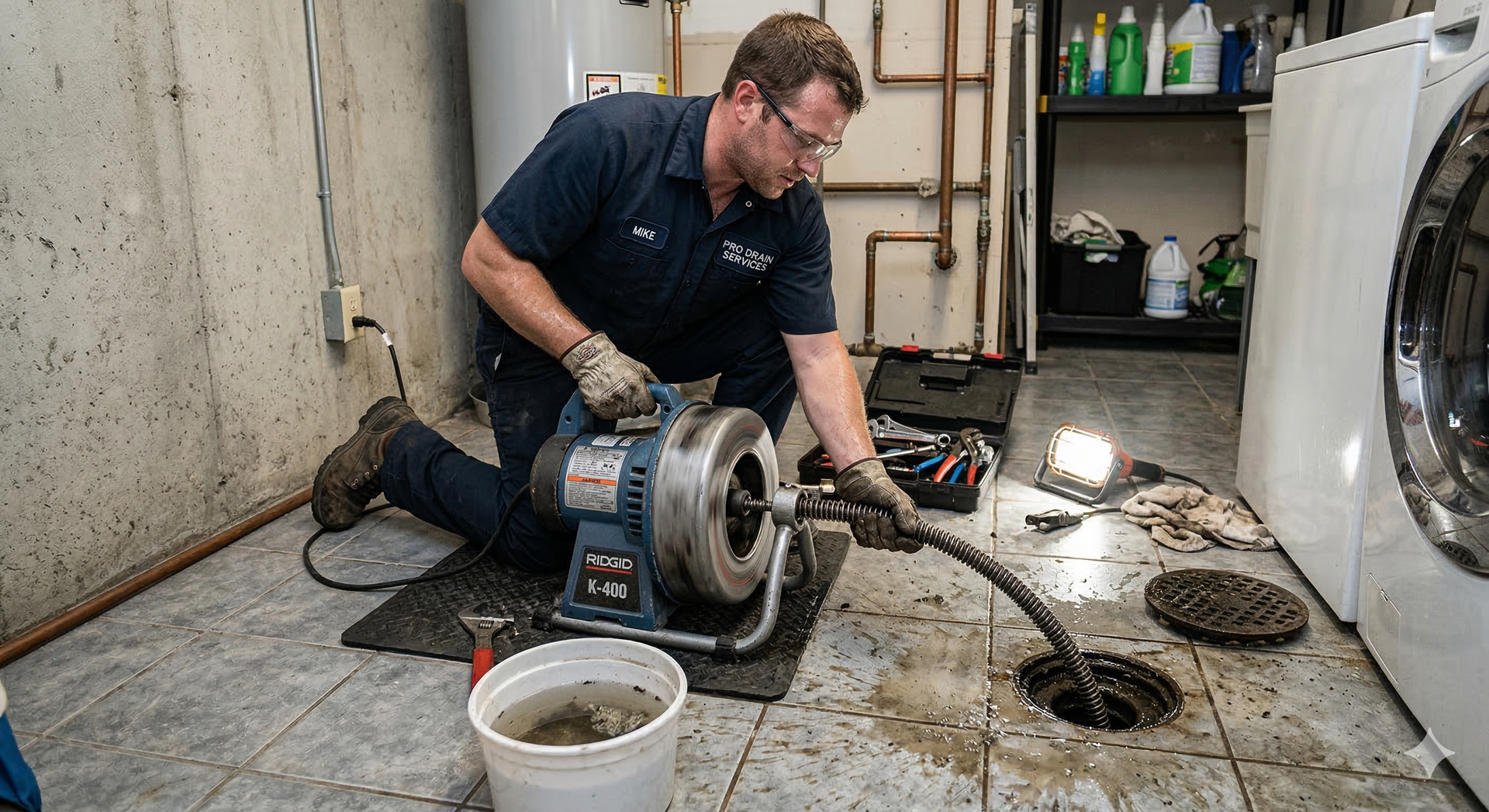
Initial call-out fees are a standard component of emergency plumbing pricing. This fee covers the plumber's travel time, diagnostic assessment, and the basic overhead of being available after hours or on holidays. The call-out charge can vary widely depending on geographic market norms and the provider's pricing policy; it is typically higher at night and on weekends. After the initial inspection, most plumbers provide an estimate or a quote that separates labor, parts, and any urgent surcharges. For complex problems—such as those requiring excavation, structural access, or specialty parts—the estimate may include provisional contingencies that change if hidden damage or complications are discovered during repair.
The Professional Repair Process from Diagnosis to Fix
Understanding the repair process helps explain where costs come from and what to expect when the plumber begins work. A professional technician will first perform a systematic diagnosis to identify the source and scope of the problem, then isolate the affected area to limit water flow and minimize damage. Isolation may involve shutting off the main water supply to the building or closing localized shut-off valves; when localized valves have failed or are inaccessible, a more comprehensive water shut-off may be necessary. Once water is controlled, the plumber will remove damaged fixtures or sections of pipe, inspect for secondary issues such as mold or weakened framing, and then proceed with temporary or permanent repairs depending on the situation and the customer's preferences.
Leak Isolation Techniques and Damage Control
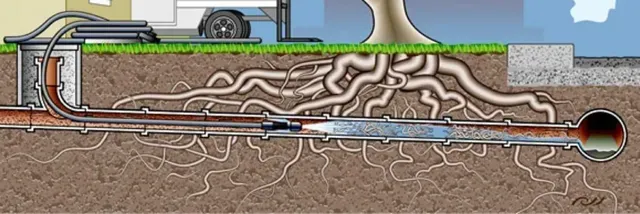
Leak isolation is a critical early step and informs both safety and cost. Effective isolation prevents further water damage and makes repairs safer and faster. In many cases, the plumber must locate hidden leaks behind walls, under floors, or within ceilings—work that may require noninvasive diagnostic tools like acoustic leak detectors, thermal imaging, or moisture meters. These devices add to diagnostic costs but reduce the need for broad destructive access. Where a leak involves pressurized supply lines or a failed water heater tank, the technician may need to drain and depressurize the system before beginning repairs to avoid injury and additional damage. When emergency plumbers perform swift isolation and secure the site, they reduce the potential for expensive secondary repairs such as drywall replacement, electrical remediation, or mold abatement.
Temporary Patching and Permanent Repair Methods
Patching methods vary depending on pipe material, size of breach, and how permanent the homeowner wants the repair to be. Temporary patching techniques can quickly stop flow and make the situation stable until a full repair is scheduled. These methods include rubber repair sleeves, epoxy putties, hose clamps, and compression fittings—solutions that a plumber can apply in minutes to stop water intrusion. Permanent repairs usually require cutting out the compromised section and replacing it with new pipe and fittings, soldering copper, solvent welding PVC, or crimping PEX connections. In larger or more complicated failures, sections of wall or floor may need removal to access piping; these restorative costs are typically quoted separately from plumbing labor.
Water Heater Emergencies and Energy Efficiency Considerations
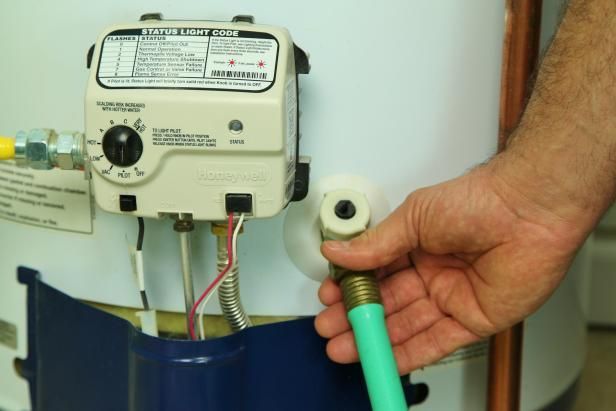
When a water heater is the problem—common in emergency calls—diagnosis may reveal issues ranging from small leaks at fittings to tank failures from prolonged corrosion. Repairing a failing water heater sometimes involves replacing valves, anode rods, or the drain pan; other times it requires full tank replacement. Because older tanks can leak unpredictably, emergency plumbers may suggest immediate temporary containment and later replacement to avoid repeat emergencies. Customers sometimes ask whether steps can be taken to reduce energy loss from aging water heater tanks? Plumbers may recommend insulating the tank and accessible hot water pipes, replacing faulty thermostats, or installing a more energy-efficient unit—measures that improve performance and reduce long-term operating costs, though they will not stop an active leak.
Long-Term Maintenance and Preventative Care Strategies
Long-term maintenance and preventative care significantly reduce the frequency of emergencies and lower lifetime costs. Routine maintenance includes annual inspections, flushing sediment from tanks, checking for corrosion and leaks, testing pressure-relief valves, and verifying shut-off valves operate properly. Well-executed preventive programs can reveal slow-developing issues early, allowing for scheduled repairs rather than costly emergency interventions. Many homeowners and property managers opt for service contracts that include periodic checks and priority scheduling; while these contracts have an upfront or recurring cost, they often reduce emergency call-outs and provide predictable budgeting for plumbing services.
Pricing Transparency and Documentation Requirements
Pricing transparency and documentation are important when an emergency plumber begins work. A professional plumber should provide a written estimate or an itemized invoice that distinguishes labor hours, parts, diagnostic fees, and any emergency surcharges. If additional work becomes necessary, the technician should notify the customer and obtain approval before proceeding unless there is an immediate safety risk. For larger jobs, reputable companies supply warranties for parts and workmanship; be sure to ask about the length and coverage of any warranty, whether it applies to emergency repairs, and how follow-up service calls are handled.
Choosing the Right Emergency Plumber
Choosing a plumber for emergency work involves balancing cost, reputation, and skill. While it can be tempting to accept the lowest immediate price, poorly performed emergency repairs can lead to recurring leaks or hidden damage that inflate total costs. Look for licensed professionals, clear estimates, and companies that stand behind their work. Firms with broad service networks such as All City Plumbers can offer rapid dispatch, access to specialized parts, and a track record across multiple service areas, which can be reassuring during a stressful emergency.
Preparing for Potential Plumbing Emergencies
How to prepare for a potential emergency can also reduce costs and downtime. Knowing the location of your main water shut-off and practicing how to turn it off can prevent large-scale flooding while you wait for help. Keeping a small kit of basic plumbing tools and replacement parts such as hose connectors, pipe tape, and a few compression fittings can enable a temporary fix until professional help arrives. For property owners managing multiple units or commercial facilities, having inspection schedules and maintenance logs reduces surprises, and prearranged service agreements with a trusted company can secure faster response times and more predictable pricing.
Conclusion
Emergency plumbing costs reflect urgency, the complexity of the repair, and the materials and diagnostics required. Call-out fees and emergency surcharges raise the initial price, while thorough diagnosis, proper isolation, and the correct choice between temporary patching and permanent replacement determine total expenditure. Working with licensed, transparent providers who supply clear estimates and warranties helps prevent unexpected bills and repeat service calls.
Investing in regular maintenance and informed preparedness reduces the likelihood of emergencies and limits long-term expenses. Whether you engage local specialists or larger networks, including companies that advertise emergency services, prioritizing quality repairs and scheduled inspections ultimately protects property values and minimizes disruptions. Would you like a checklist or sample estimate template to use when comparing emergency plumber quotes?