How to Read Your Water Meter to Detect Hidden Leaks?
Detecting hidden leaks in your home's plumbing system is essential for preventing water waste, avoiding unexpectedly high utility bills, and protecting your property from water damage. A water meter is one of the most reliable tools for identifying leaks that are not immediately visible, such as those occurring behind walls, under floors, or underground. By learning how to read your water meter correctly, homeowners can monitor their water usage patterns, identify abnormal consumption, and take prompt action when a leak is suspected. Regular meter checks empower homeowners to catch problems early before they escalate into costly emergencies that require professional emergency services.
Locating and Identifying Your Water Meter
The first step in reading your water meter is locating it, which is typically found near the street in a covered box buried in the ground or in a utility area such as a basement, garage, or crawlspace. Municipal water meters are usually housed in plastic or concrete boxes with a removable lid, while indoor meters may be mounted on a wall near where the main water line enters the building. Once located, identify the type of meter you have, as digital meters display readings on an electronic screen while analog meters use a series of dials or a rotating dial with numbers. Understanding your meter type is essential for correctly interpreting the reading and tracking water usage over time.
Reading Analog Water Meters Accurately
Analog water meters typically feature a series of dials that rotate clockwise and counterclockwise, along with a sweep hand that indicates current flow. To read an analog meter, record the numbers shown on each dial from left to right, noting that some dials rotate in opposite directions. The sweep hand, which moves continuously when water is flowing, can help detect small leaks by observing whether it moves when all water fixtures in the house are turned off. Some meters also include a leak indicator, often a small triangular dial or flashing light that rotates or activates with even minimal water flow. Recording the full meter reading, including all digits, provides an accurate baseline for tracking usage and detecting changes that indicate a leak.
Reading Digital Water Meters and Displays
Digital water meters offer a more straightforward reading process with a clear electronic display showing the total water consumption in gallons or cubic feet. To read a digital meter, simply note the numbers displayed on the screen, which represent the cumulative water usage since the meter was installed or last reset. Many digital meters also include additional features such as flow rate indicators, leak detection alerts, and the ability to cycle through different display modes using buttons on the face of the meter. Some advanced digital meters can transmit usage data remotely to the water utility, but homeowners can still access readings directly from the display for personal monitoring. The clarity of digital displays makes it easier to track usage trends and identify anomalies that suggest hidden leaks.
Conducting a Leak Detection Test Using Your Water Meter
The most effective way to detect hidden leaks using your water meter is to perform a systematic leak detection test. Begin by ensuring all water fixtures in the house are completely turned off, including faucets, showerheads, toilets, washing machines, dishwashers, and outdoor spigots. Record the current meter reading and then wait at least one to two hours without using any water during that period. After the waiting period, check the meter again and compare the new reading to the original. If the reading has increased despite no water usage, you have confirmed the presence of a hidden leak somewhere in your plumbing system. This simple test provides definitive evidence of a leak and justifies further investigation or professional assistance.
Isolating the Source of a Detected Leak
Once a hidden leak is confirmed through meter monitoring, the next step is to isolate its source to determine whether it is inside the house or in the underground supply line. To perform this isolation test, locate the main shut-off valve where the water line enters your home and turn it off completely. Check the water meter again and observe whether the leak indicator stops moving or if the reading remains stable. If the meter stops showing flow when the main valve is closed, the leak is inside the house, possibly in fixtures, pipes, or appliances. If the meter continues to show flow even with the main house valve closed, the leak is likely in the underground supply line between the meter and the house, which typically requires professional repair or waterline repair and replacement.
Temporary Patching Methods for Minor Leaks
When a hidden leak is detected and isolated, temporary patching methods can provide short-term relief until professional repairs can be scheduled. For small pinhole leaks in accessible pipes, rubber repair clamps, epoxy putty, or slip-on couplings can seal the leak temporarily and prevent water damage. Leaking toilet flappers, worn washer valves, or loose fittings can often be tightened or replaced with basic plumbing tools to stop water flow. These temporary solutions are particularly useful for stabilizing the situation during non-emergency situations or when waiting for an appointment. However, for significant leaks, underground line failures, or leaks behind walls, professional intervention is necessary, and companies like All City Plumbers offer expert repair services to address the root cause permanently.
The Professional Repair Process for Hidden Leaks
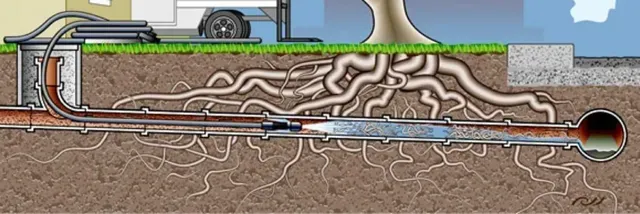
Professional plumbers follow a systematic repair process when addressing hidden leaks that have been detected through water meter monitoring. The process begins with a thorough diagnostic inspection using specialized equipment such as acoustic leak detectors, thermal imaging cameras, and video pipe cameras to locate the exact position and extent of the leak. Once the leak is pinpointed, the plumber will develop a repair plan that may involve accessing the leak through minimal excavation, removing damaged sections of pipe, and installing new piping with proper fittings. For underground leaks, trenchless technologies such as pipe bursting or directional boring may be used to minimize property disruption. The repair process ensures that the leak is fixed correctly and that the plumbing system is restored to full functionality.
Long-Term Maintenance Strategies to Prevent Future Leaks
Implementing long-term maintenance strategies is essential for preventing hidden leaks and maintaining the integrity of your plumbing system. Regular water meter checks, ideally once a month, help establish normal usage patterns and make it easier to detect anomalies early. Conduct visual inspections of exposed pipes, fixtures, and appliances for signs of moisture, corrosion, or wear. Address minor issues promptly before they develop into major problems, such as replacing worn washers, tightening loose fittings, or caulking around fixtures. Insulate pipes in unheated areas to prevent freezing and bursting during cold weather, and consider installing water filtration or softening systems to reduce mineral buildup that can accelerate pipe deterioration.
Energy Efficiency Connections to Water System Maintenance
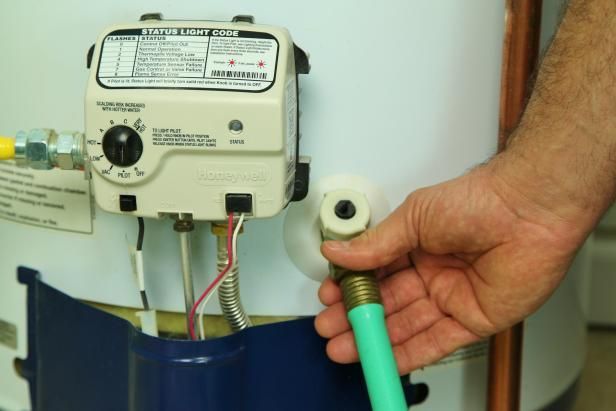
While water leak detection primarily focuses on conserving water and preventing damage, there are connections between water system maintenance and energy efficiency. Homeowners often ask how to reduce energy loss from aging water heater tanks? The answer involves proper insulation of the water heater and hot water pipes, which complements leak detection efforts by ensuring that heated water is delivered efficiently without waste. When hidden leaks are present, hot water can escape before reaching fixtures, causing the water heater to work harder and consume more energy. By maintaining a leak-free plumbing system and insulating hot water lines, homeowners can achieve both water conservation and energy savings, resulting in lower utility bills and a more efficient home.
When to Call Professional Emergency Services
Knowing when to call professional emergency services is crucial for managing hidden leaks effectively and minimizing damage. Immediate professional assistance is necessary when you detect a significant increase in meter readings indicating a major leak, when water is actively flowing from an unfamiliar source, when you notice water pooling in your yard or basement, or when water pressure drops dramatically. Emergency situations also include frozen pipes that may have burst, sewage odors suggesting sewer line issues, or contaminated water indicating a cross-connection problem. Professional plumbers with emergency services availability can respond quickly to assess the situation, isolate the leak, and begin repairs to prevent extensive property damage and restore normal water service.
Conclusion
Reading your water meter is a straightforward yet powerful method for detecting hidden leaks that could otherwise go unnoticed until significant damage occurs. By learning to accurately read your meter, conducting regular leak detection tests, and understanding how to isolate leak sources, homeowners can take proactive control of their plumbing system's health and avoid unexpectedly high water bills. Early detection through meter monitoring enables timely repairs that prevent water waste, protect property, and extend the life of your plumbing infrastructure.
Long-term maintenance strategies, including regular meter checks, visual inspections, and prompt attention to minor issues, create a foundation for leak prevention and system reliability. When hidden leaks are detected, understanding the repair process, temporary patching options, and when to call professionals ensures that problems are addressed correctly and efficiently. By making water meter monitoring a regular habit and maintaining awareness of your home's water usage patterns, you can protect your investment, conserve resources, and enjoy peace of mind knowing that hidden leaks will be caught early before they escalate into costly emergencies.