Best Practices for Hiring After-Hours Plumbing Services
Plumbing emergencies do not adhere to standard business hours, and when a burst pipe, overflowing toilet, or failed sump pump occurs at night, on weekends, or during holidays, homeowners need reliable access to professional help. After-hours plumbing services provide critical support when time is of the essence, preventing water damage, structural issues, and costly repairs that can escalate quickly. Hiring the right after-hours plumber requires careful consideration of response time, expertise, pricing transparency, and reputation. Knowing what to expect and how to evaluate potential providers ensures that you make an informed decision during stressful situations when quick action is necessary.
Verifying Licensing, Insurance, and Professional Credentials
Before hiring any after-hours plumbing service, verifying licensing, insurance, and professional credentials is essential for protecting your property and ensuring quality workmanship. Licensed plumbers have met state or local requirements for training, experience, and knowledge of plumbing codes, which guarantees a baseline level of competence. Insurance coverage protects you from liability in case of accidents or damage that occurs during the repair process, while workers' compensation coverage protects you from responsibility if a technician is injured on your property. Reputable companies like All City Plumbers maintain current licensing and insurance documentation and are willing to provide proof upon request, giving homeowners confidence in their professionalism and reliability.
Evaluating Response Time and Availability
Response time is a critical factor when selecting after-hours plumbing services, especially during emergencies where every minute counts. Ask potential providers about their typical response times for after-hours calls, whether they have technicians on standby 24/7, and how they prioritize emergency calls versus scheduled service. Some companies guarantee response within a specific timeframe, such as one to two hours, while others may have longer wait times depending on demand and technician availability. Understanding their availability structure helps you set realistic expectations and choose a provider who can meet your needs during urgent situations when delays could result in significant property damage.
Understanding Pricing Structures and Emergency Surcharges
After-hours plumbing services typically include emergency surcharges that reflect the urgency, time of day, and availability of technicians. These surcharges can vary significantly between providers, with rates often higher at night, on weekends, and during holidays. Request a detailed pricing breakdown that includes call-out fees, hourly labor rates, emergency surcharges, and estimated costs for parts and materials before work begins. Transparent pricing policies help avoid unexpected bills and allow you to compare providers fairly. Some companies offer flat-rate pricing for common emergency repairs, which can provide cost certainty, while others charge by the hour with additional fees for after-hours service. Clear communication about pricing upfront prevents disputes and ensures you understand the financial commitment.
Assessing Technical Expertise and Service Range
The scope of services offered by an after-hours plumbing provider indicates their technical expertise and ability to handle diverse emergency situations. A qualified after-hours plumber should be capable of addressing common emergencies such as burst pipes, leaking fixtures, water heater failures, drain blockages, and sump pump repair. Ask about their experience with specific problems you are facing, whether they carry common parts and materials in their service vehicles, and if they have specialized equipment for diagnostic and repair tasks. Providers with broad service capabilities can resolve multiple issues in a single visit, reducing the need for follow-up calls and ensuring comprehensive solutions that address all aspects of the plumbing problem.
The Professional Repair Process for After-Hours Emergencies
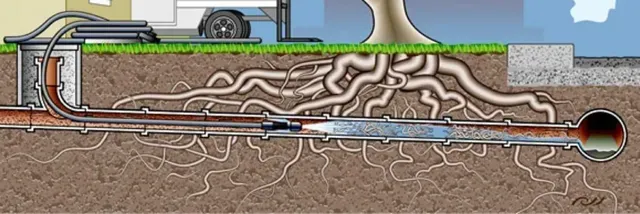
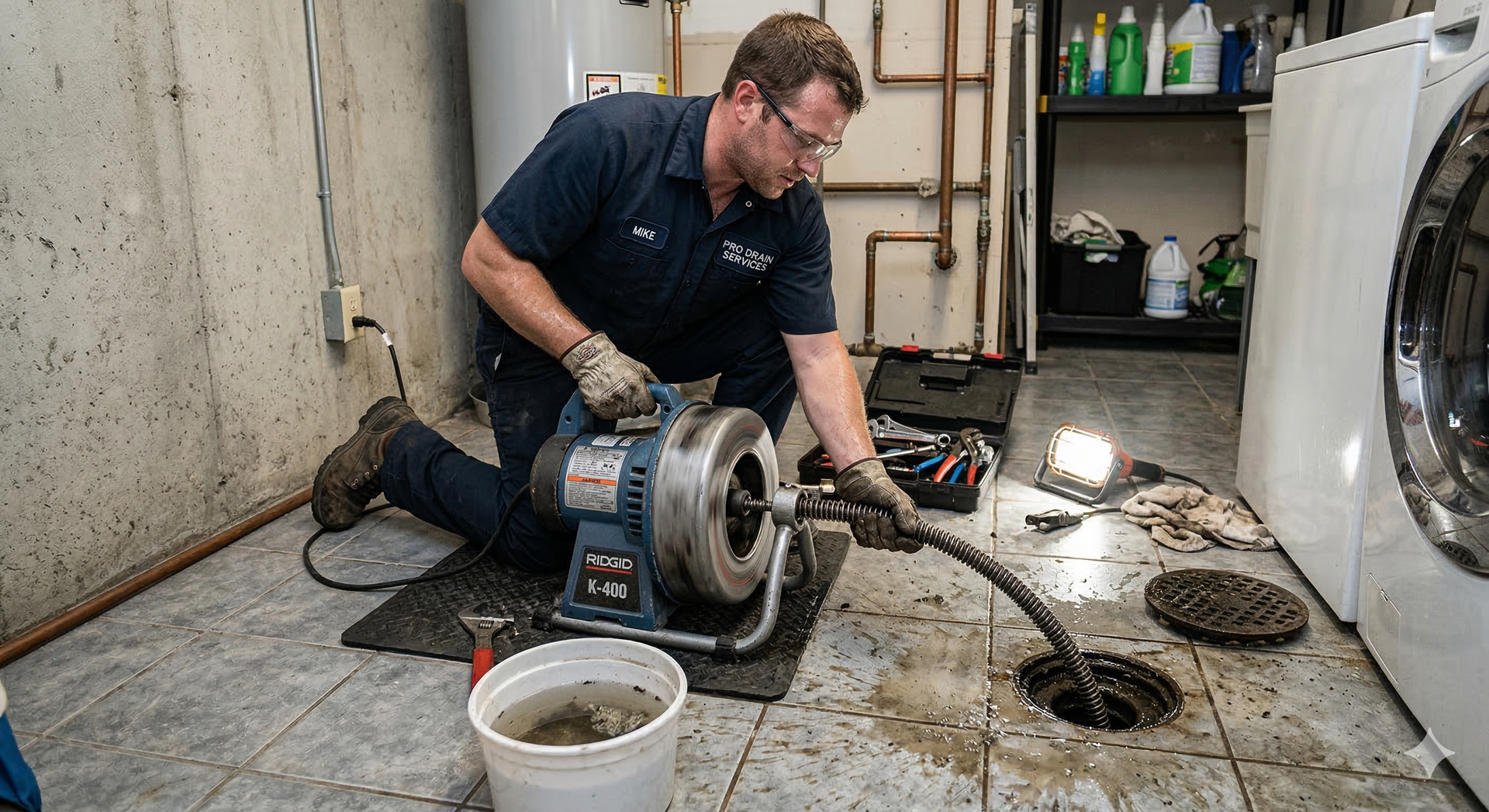
When an after-hours plumbing technician arrives, they follow a systematic repair process designed to address the emergency efficiently while minimizing disruption. The process begins with a thorough assessment to diagnose the problem accurately, which may involve visual inspection, pressure testing, leak detection equipment, or video camera technology for hidden issues. Once the problem is identified, the technician explains the repair options, provides a cost estimate, and obtains your approval before proceeding. For many emergencies, the technician will first isolate the affected area to prevent further damage, then perform temporary or permanent repairs depending on the situation and your preferences. This structured approach ensures that repairs are completed correctly and that the plumbing system is restored to full functionality.
Leak Isolation Techniques During Emergency Repairs
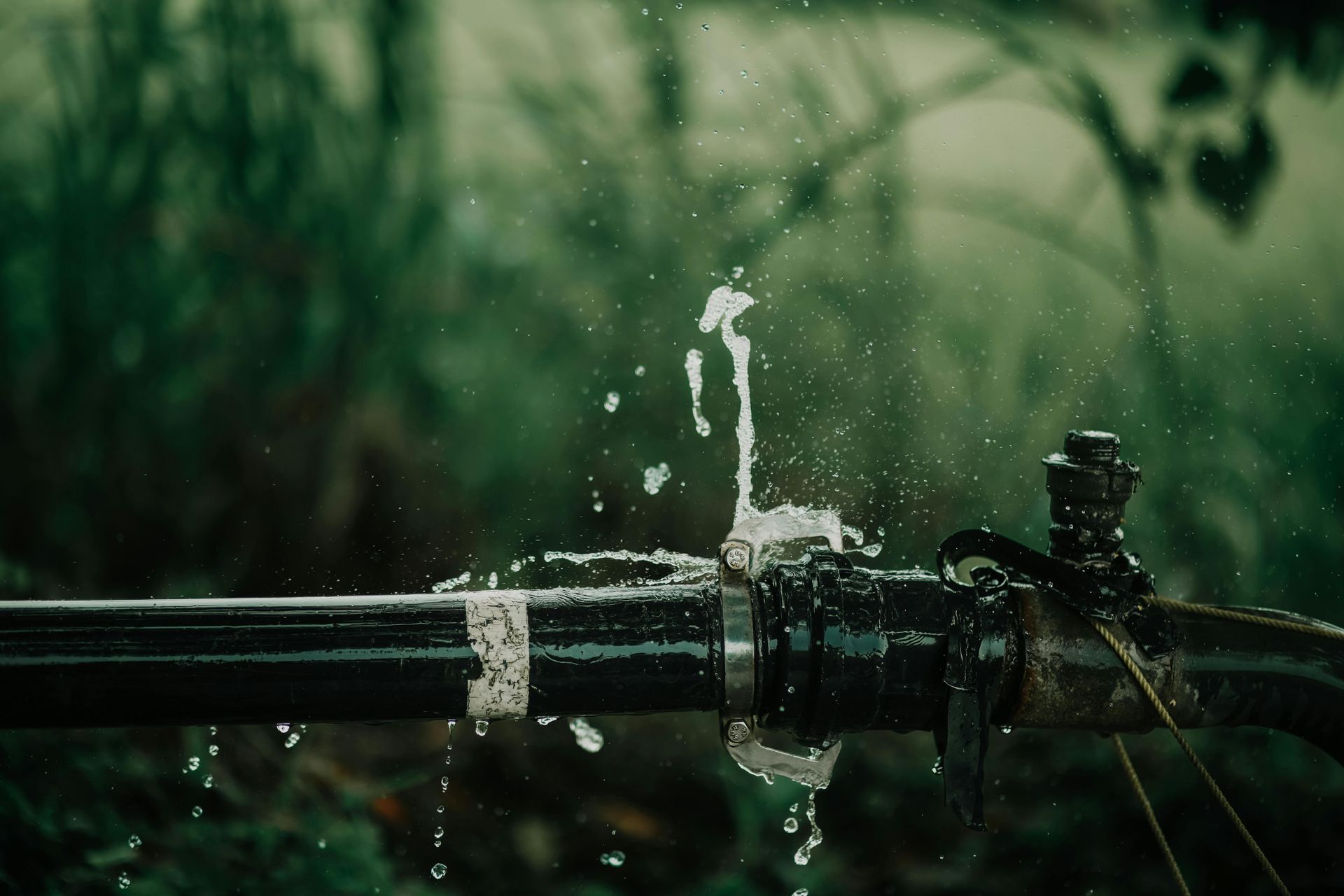
Leak isolation is a critical initial step in managing plumbing emergencies and preventing extensive water damage during after-hours repairs. When a leak is detected, the technician will immediately shut off the water supply to the affected area or the entire building, depending on the severity and location of the leak. For localized leaks, isolation valves may be used to contain the problem to a specific fixture or section of pipe, while major failures may require shutting off the main water supply. Effective isolation not only stops water flow but also creates a safe working environment for the repair crew and reduces the risk of secondary damage to flooring, walls, electrical systems, and personal property. Prompt and proper isolation is essential for limiting the scope of damage and reducing overall repair costs.
Temporary Patching Methods for Immediate Relief
Temporary patching methods provide immediate relief during after-hours plumbing emergencies and can stabilize the situation until permanent repairs are scheduled. Common temporary solutions include rubber repair clamps for pinhole leaks, epoxy putty for small cracks, compression fittings for loose connections, and hose clamps for sealing damaged sections of hose or pipe. For toilet overflows, shutting off the water supply to the toilet and removing the tank lid to stop the fill valve can prevent continued flooding. These temporary measures are particularly useful for controlling water flow, preventing further damage, and buying time for proper repairs. However, temporary patches are not long-term solutions, and professional technicians will recommend permanent repairs to ensure reliability and prevent recurring issues.
Long-Term Maintenance Strategies to Prevent After-Hours Emergencies
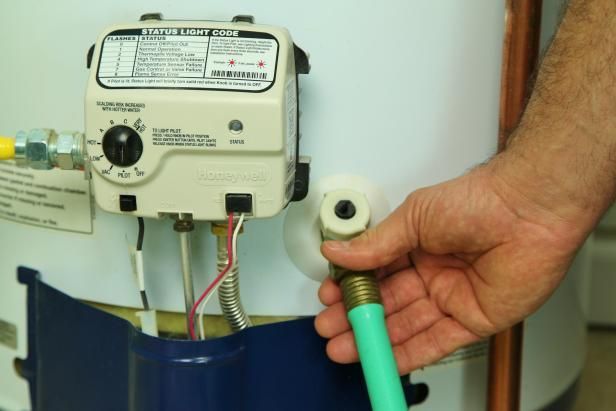
Implementing long-term maintenance strategies is essential for preventing plumbing emergencies that require after-hours service and reducing the frequency of costly emergency calls. Regular inspections of pipes, fixtures, water heaters, and drainage systems can identify early signs of wear, corrosion, or potential failure before they become critical problems. Homeowners should schedule annual maintenance for water heaters, including flushing sediment and testing pressure-relief valves, which can extend the unit's lifespan and improve efficiency. Some homeowners ask how to reduce energy loss from aging water heater tanks? The answer involves insulating the tank and hot water pipes, replacing faulty thermostats, and ensuring proper ventilation, which complements regular maintenance by improving performance and reducing utility costs. Additionally, knowing the location of main shut-off valves and practicing how to use them enables quick response during emergencies, while maintaining clear drainage paths and addressing minor leaks promptly prevents escalation into major issues.
Checking References, Reviews, and Reputation
Before committing to an after-hours plumbing service, checking references, online reviews, and overall reputation provides valuable insight into the quality of service you can expect. Read customer reviews on multiple platforms to identify patterns in feedback regarding response time, professionalism, workmanship quality, and pricing fairness. Pay attention to how the company responds to negative reviews, as this indicates their commitment to customer satisfaction and willingness to address concerns. Ask the company for references from recent emergency service calls, particularly those similar to your situation, and contact those references to ask about their experience. A strong reputation built on consistent performance, reliability, and customer satisfaction is a key indicator that the company will deliver quality service during your emergency.
Establishing a Relationship with a Trusted After-Hours Provider
Building a relationship with a trusted after-hours plumbing provider before an emergency occurs offers significant advantages when you need urgent assistance. Establishing contact with a reputable company during non-emergency times allows you to evaluate their services, understand their pricing structure, and build confidence in their capabilities. Some companies offer maintenance contracts or membership programs that provide priority scheduling, discounted emergency rates, and regular preventive maintenance, which can reduce the likelihood of emergencies and lower overall costs. Having a trusted provider on speed dial means you can call immediately when an emergency occurs, reducing stress and ensuring faster response times. Companies like All City Plumbers value long-term customer relationships and often provide enhanced service to returning customers who have established trust over time.
Conclusion
Hiring after-hours plumbing services requires careful evaluation of licensing, response time, pricing transparency, technical expertise, and reputation to ensure quality emergency care when it matters most. Verifying credentials, understanding pricing structures including emergency surcharges, and assessing the range of services offered helps you choose a provider who can handle your specific emergency efficiently and reliably. The professional repair process, including proper leak isolation and temporary patching when necessary, minimizes damage and restores functionality quickly, while long-term maintenance strategies reduce the frequency of emergencies and protect your investment.
Building a relationship with a trusted after-hours plumbing provider before an emergency occurs provides peace of mind and ensures fast, reliable service when you need it most. Regular maintenance, prompt attention to minor issues, and knowing how to shut off water supplies empower homeowners to manage plumbing challenges effectively and avoid costly disasters. By following best practices for hiring after-hours plumbing services and maintaining a proactive approach to plumbing care, you can protect your property, conserve resources, and respond confidently when emergencies arise at any time.