How Long Should a Water Heater Last? Signs of Aging
Water heaters are essential appliances in every household, providing hot water for bathing, cooking, and cleaning. But like all appliances, water heaters have a lifespan, and understanding how long they should last can help you prepare for a replacement before an unexpected failure occurs. This guide will explore the average lifespan of a water heater, signs of aging to watch for, and how to extend its life.
Average Lifespan of a Water Heater
The lifespan of a water heater depends on several factors, including the type, quality, and maintenance. On average, traditional tank water heaters last between 8 to 12 years. Tankless water heaters, which are more energy-efficient, can last up to 20 years or more with proper maintenance.
- Electric Water Heaters: Typically last 10 to 15 years.
- Gas Water Heaters: Generally have a lifespan of 8 to 12 years.
- Tankless Water Heaters: Can last up to 20 years, often longer.
Understanding these averages helps homeowners plan for replacements and avoid the inconvenience of a sudden breakdown.
Signs Your Water Heater Is Aging
As a water heater ages, it begins to show signs of wear and tear. Recognizing these signs early can prevent major issues and ensure a smooth transition to a new unit when necessary.
- Inconsistent Water Temperature: If your water heater struggles to maintain a consistent temperature or if the water isn’t as hot as it used to be, it could be a sign that the heating elements are wearing out.
- Rusty Water: If you notice rusty or discolored water coming from your faucets, it may indicate corrosion inside the water heater tank. This is a clear sign that the unit is nearing the end of its life.
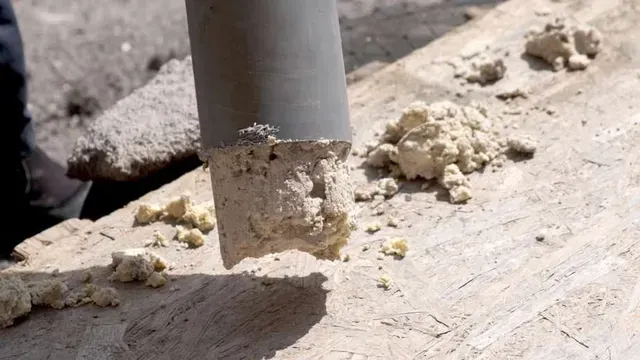
- Strange Noises: As water heaters age, sediment can build up at the bottom of the tank, causing popping or rumbling noises. This sediment buildup reduces the efficiency of the heater and can lead to more serious issues if not addressed.
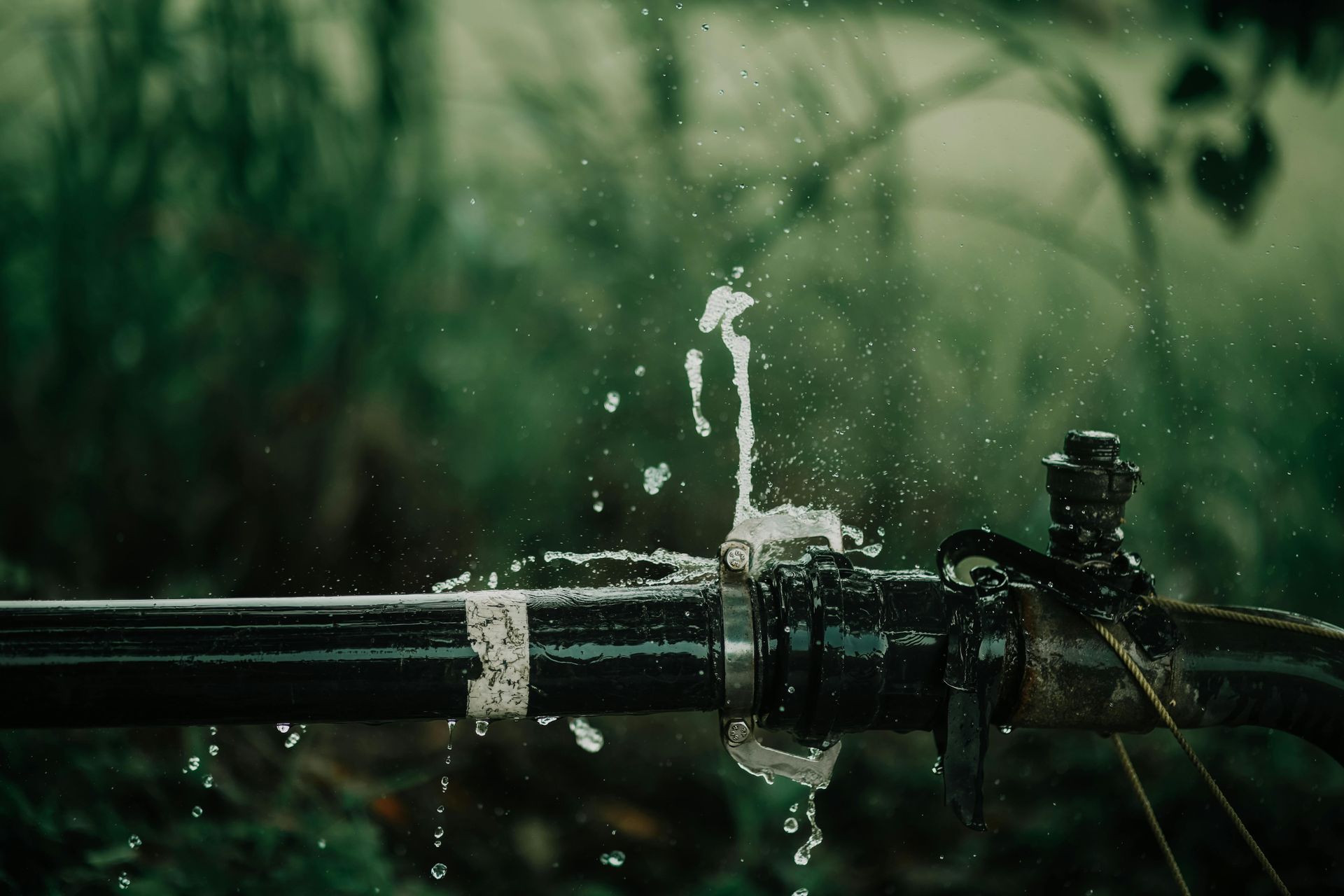
- Leaks: Any water pooling around your water heater is a major red flag. Leaks often indicate that the tank has cracked due to aging, and replacement is usually the best option.
- Frequent Repairs: If you find yourself calling a plumber more often for water heater issues, it might be more cost-effective to replace the unit rather than continue with repairs.
How to Extend the Life of Your Water Heater
Proper maintenance can significantly extend the lifespan of your water heater, saving you money and ensuring reliable hot water for years to come.
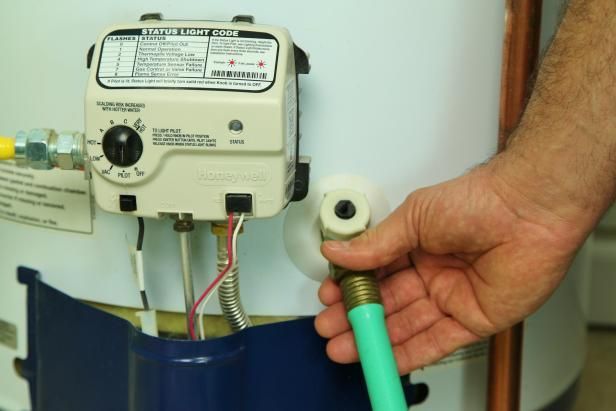
- Regular Flushing: Flushing the tank annually removes sediment buildup, which can cause the tank to overheat and reduce its efficiency.
- Inspecting the Anode Rod:The anode rod prevents rust from forming inside the tank. Checking and replacing it every few years can prolong the life of your water heater.
- Temperature Settings: Keeping the water heater’s temperature at 120 degrees Fahrenheit can reduce wear and tear on the system and prevent scalding.
- Professional Maintenance: Having a professional inspect your water heater every couple of years can help catch minor issues before they become major problems.
When to Consider Replacing Your Water Heater
Even with regular maintenance, there comes a time when replacing your water heater is the best option. If your unit is nearing the end of its average lifespan and is showing signs of aging, it’s wise to start planning for a replacement.
- Cost of Repairs vs. Replacement: If repair costs are more than half the cost of a new water heater, it’s generally more economical to replace the unit.
- Efficiency: Newer water heaters are far more energy-efficient than older models. Replacing an aging unit can result in significant savings on your energy bills.
- Technology Upgrades: Modern water heaters offer advanced features like better temperature control, smart technology, and more efficient heating methods.
Conclusion
Understanding how long a water heater should last and recognizing the signs of aging are crucial for maintaining a consistent hot water supply in your home. By paying attention to these signs and investing in regular maintenance, you can extend the life of your water heater and avoid the inconvenience of an unexpected breakdown.