How To Choose The Right Garbage Disposal For Your Home?
Choosing the right garbage disposal for your home is a decision that can greatly impact daily convenience, kitchen efficiency, and long-term plumbing health. With a range of models, features, and power options available, it’s important to consider your household’s needs, the condition of your plumbing, and how you plan to use the disposal. This article offers a comprehensive guide to selecting the ideal garbage disposal, while also touching on related home systems such as how to choose the right water softener and considerations for water heaters. For expert installation and advice, trusted professionals like All City Plumbers can ensure your new appliance integrates seamlessly with your home’s infrastructure.
Understanding Garbage Disposal Types and Key Features
Garbage disposals come in two main types: continuous feed and batch feed. Continuous feed models are the most common and allow you to add food waste while the unit is running, making them convenient for busy kitchens. Batch feed models, on the other hand, require you to load food waste into the unit before activating it with a stopper, offering added safety by preventing accidental activation—an excellent choice for households with young children.
Beyond type, the horsepower (HP) of the motor is a critical factor. Entry-level disposals typically offer 1/3 HP, suitable for light use in small households or vacation homes. For most families, a 1/2 HP to 3/4 HP model is recommended, as it balances power and efficiency for everyday meal prep. Larger households or those that frequently process tougher food waste may benefit from a 1 HP or higher model, which can handle bones, fruit pits, and fibrous vegetables with ease.
Material quality is another important consideration. Stainless steel grind chambers and components are more durable, resistant to corrosion, and easier to clean than those made from other materials. Additional features to look for include multiple grind stages for finer pulverization, anti-jamming technology, sound insulation for quieter operation, and quick-mount systems that simplify installation.
Assessing Your Household Needs and Plumbing Compatibility
Before selecting a garbage disposal, evaluate your household’s size, cooking habits, and the types of food waste you typically generate. A small, single-person household may find a 1/3 HP model sufficient, while a family of four or more should consider at least a 1/2 HP unit. If you frequently entertain or cook large meals, a higher horsepower disposal will provide greater reliability and longevity.
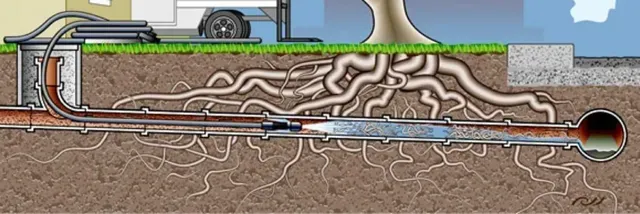
It’s also essential to consider the condition and type of your plumbing. Older homes with cast iron drainpipes may be more prone to clogs when using a garbage disposal, as food particles can accumulate in rough pipe interiors. Newer PVC pipes, with their smooth walls, are better suited for handling ground food waste. Always check the space under your sink to ensure the disposal will fit comfortably, and consult a professional if you’re unsure about compatibility.
Electrical requirements are another important factor. Most garbage disposals require a dedicated circuit and a ground fault circuit interrupter (GFCI) for safety. Review your home’s electrical panel to confirm it can support the additional load, and consider hiring a licensed electrician if upgrades are needed.
Installation and Maintenance Considerations
Proper installation is crucial for the safe and efficient operation of your garbage disposal. While many homeowners are comfortable tackling the installation themselves, hiring a professional plumber—such as those at All City Plumbers—can ensure the job is done correctly, minimizing the risk of leaks, electrical issues, or improper alignment with your plumbing system4.
Regular maintenance will extend the life of your garbage disposal and help prevent clogs and malfunctions. Avoid putting fibrous or starchy foods, grease, and non-food items down the disposal. Run cold water while using the unit to help solidify grease and flush food particles through the pipes. Periodically clean the disposal with ice cubes and citrus peels to sharpen the blades and freshen the chamber.
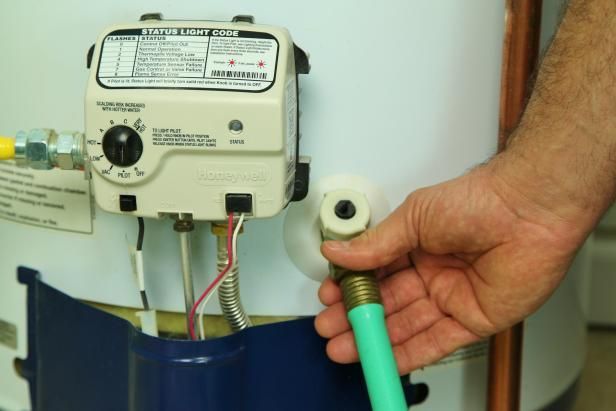
In addition to maintaining your garbage disposal, it’s wise to consider the health of your entire plumbing system. Just as you would choose the right water softener to protect your pipes and appliances from hard water damage, selecting the appropriate garbage disposal ensures your kitchen operates smoothly and efficiently. Similarly, when evaluating water heaters for your home, consider factors such as capacity, energy efficiency, and fuel type to meet your household’s hot water needs.
Integrating Your Garbage Disposal with Other Home Systems
A well-functioning garbage disposal is just one component of a comprehensive home plumbing system. For optimal performance, it’s important to ensure that all related systems—including water heaters and water softeners—are properly selected and maintained. For example, choosing the right water softener can prevent mineral buildup in your pipes and appliances, while the right water heater ensures a steady supply of hot water for cleaning and cooking.
If you encounter complex plumbing issues or need assistance with installation, repair, or maintenance, professional services like All City Plumbers offer reliable support. Their experienced technicians can help you navigate the selection process, ensure proper installation, and provide ongoing maintenance to keep your kitchen and plumbing systems in top condition.
Conclusion
Selecting the right garbage disposal for your home involves careful consideration of your household’s needs, the condition of your plumbing, and the features that matter most to you. By choosing a model with the appropriate horsepower, durable materials, and useful features, you can enjoy a cleaner, more efficient kitchen for years to come. Remember to also consider the broader context of your home’s plumbing, including how to choose the right water softener and the best water heaters for your needs. For expert guidance and installation, trusted professionals like All City Plumbers are always ready to help, ensuring your home’s systems work together seamlessly for maximum convenience and reliability.