How to Install a New Showerhead and Improve Water Pressure
Installing a new showerhead is one of the most impactful yet accessible upgrades you can make to your bathroom. Not only does it refresh the look and feel of your shower, but it can also significantly improve water pressure and your overall bathing experience. With the right approach, tools, and a bit of know-how, most homeowners can complete this project in under an hour. This comprehensive guide will walk you through each step, offer expert tips for boosting water pressure, and highlight the best plumbing tools for every homeowner. We’ll also discuss when to call emergency services and how trusted professionals like All City Plumbers can support your plumbing needs.
Preparing for Installation: What You Need
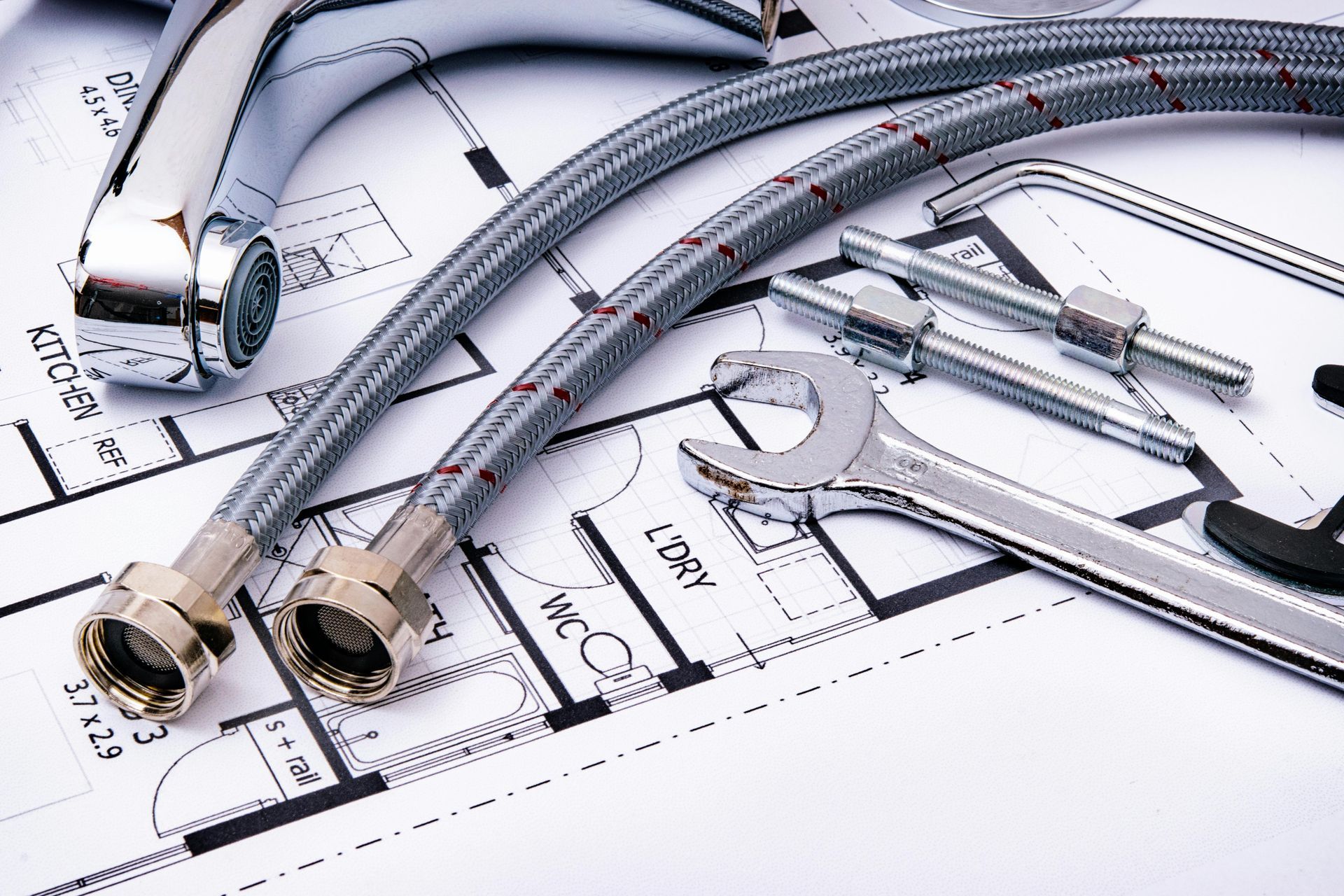
Before you begin, gather the necessary tools and materials. The best plumbing tools for every homeowner include an adjustable wrench, channel lock pliers, Teflon tape (plumber’s tape), a soft cloth or rag, and, if needed, a pipe wrench for stubborn fittings. These tools will help you remove the old showerhead, ensure a leak-free installation, and avoid damaging your new fixture’s finish. Investing in quality tools not only makes this job easier but also prepares you for future plumbing tasks around the home.
Removing the Old Showerhead
Start by ensuring the shower is off and the area is dry to prevent slips. Place a towel over the drain to catch any loose parts. Most showerheads are universal and simply screw onto the shower arm. Try unscrewing the old showerhead by hand, turning it counterclockwise. If it’s stuck due to mineral buildup or age, use an adjustable wrench or channel lock pliers. To protect the finish on the shower arm, wrap it with a soft cloth before applying the tool. For particularly stubborn connections, a penetrating catalyst spray can help loosen the threads. Once removed, inspect the shower arm for any old Teflon tape, rust, or debris. Clean the threads thoroughly with a toothbrush or cloth to ensure a smooth, watertight seal for your new showerhead.
Installing the New Showerhead
Wrap the cleaned threads of the shower arm with Teflon tape in a clockwise direction, making two to three tight wraps. This step is essential for preventing leaks and ensuring a long-lasting connection. Screw the new showerhead onto the shower arm by hand, turning it clockwise until snug. Most modern showerheads are designed for hand-tightening, but you can use an adjustable wrench for a final gentle turn if needed—just be careful not to overtighten, as this can crack the fixture or strip the threads. Always stabilize the shower arm with pliers or your other hand to prevent it from twisting inside the wall, which could cause hidden leaks or pipe damage.
Once installed, turn on the water and check for leaks at the connection. If you notice any drips, tighten the showerhead slightly more or remove it, add another layer of Teflon tape, and reinstall. With the right tools and careful technique, you should have a leak-free, professionally installed showerhead in minutes.
Improving Water Pressure: Expert Strategies
If your new showerhead doesn’t deliver the water pressure you desire, there are several effective troubleshooting steps. First, check for mineral buildup inside the showerhead, which can restrict water flow. Soak the showerhead in vinegar overnight and scrub with a toothbrush to dissolve limescale and debris. For handheld models, inspect the hose for kinks or blockages that could dampen the flow.
Many modern showerheads include a flow restrictor to conserve water. If your home has low water pressure, consider removing or adjusting the restrictor according to the manufacturer’s instructions. Be cautious, as removing it may increase water usage. If pressure remains low, check for partially closed water valves, clogged pipes, or leaks elsewhere in your plumbing system. In some cases, installing a pressure-boosting system or shower pump can dramatically improve performance, especially in older homes or those with naturally weak supply.
Essential Tools for Plumbing Success
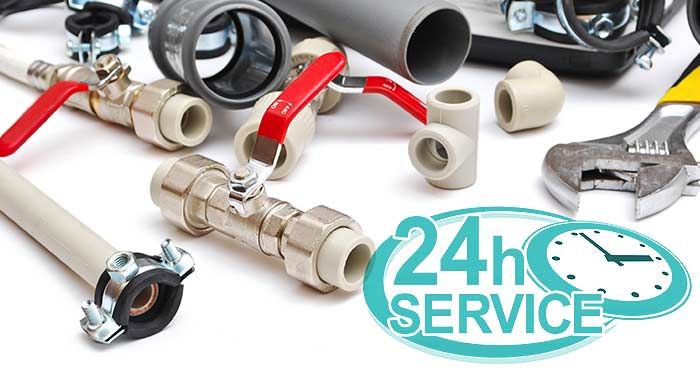
Having the best plumbing tools for every homeowner is crucial for tackling not only showerhead installation but a range of common plumbing tasks. An adjustable wrench is indispensable for tightening and loosening fixtures. Channel lock pliers provide grip and leverage in tight spaces. Teflon tape ensures watertight seals on threaded connections. A pipe wrench is invaluable for stubborn or corroded pipes, while a basic screwdriver set and a plunger round out your toolkit for emergencies and general maintenance.
When to Call Emergency Services
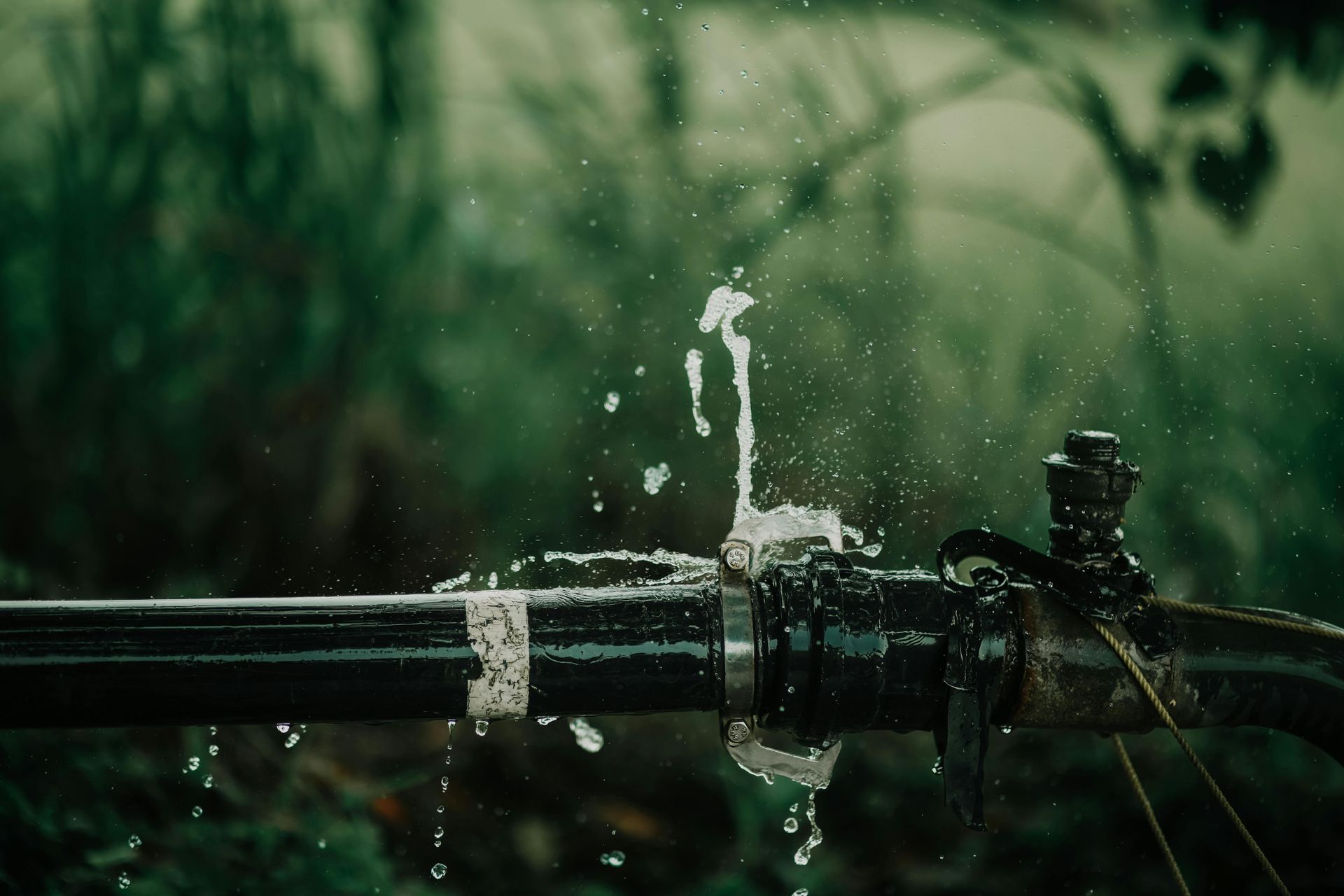
While most showerhead installations are straightforward, certain situations warrant immediate professional attention. If you encounter a burst pipe, major leak, or water spraying uncontrollably from the wall, shut off your home’s main water supply and contact emergency services. Companies like All City Plumbers offer 24/7 emergency response for urgent plumbing issues, ensuring rapid, expert intervention to prevent water damage and restore safe operation. Emergency services are also essential if you discover hidden leaks, mold, or signs of structural water damage during your installation.
The Value of Professional Plumbers
For complex plumbing issues, persistent low water pressure, or if you simply want peace of mind, contacting a trusted professional like All City Plumbers is a wise choice. Their licensed, experienced technicians can diagnose underlying problems, recommend the best showerhead for your water system, and ensure flawless installation. All City Plumbers also provide routine maintenance and emergency services, so you’re covered for everything from minor upgrades to major repairs.
Conclusion
Installing a new showerhead and improving water pressure is a rewarding DIY project that can enhance your daily routine and add value to your home. By preparing with the best plumbing tools for every homeowner, following step-by-step installation techniques, and knowing when to call emergency services or professionals like All City Plumbers, you ensure a smooth, safe, and satisfying result. Whether you’re upgrading for comfort, efficiency, or aesthetics, a new showerhead is a small change that makes a big difference.