Why New Water Heaters Still Leak: Installation Errors
Even the most advanced new water heaters, equipped with modern safety features and warranties, can develop leaks shortly after installation, often due to preventable human error during setup. These failures not only inconvenience homeowners but also risk water damage, mold growth, and costly repairs that negate the investment in a new unit. This in-depth article dissects the common installation pitfalls that lead to leaks, offering insights from plumbing professionals on how to avoid them and ensure long-term reliability. By understanding these issues, property owners can demand meticulous workmanship and protect their homes from premature breakdowns.
The Expectation of Reliability in New Water Heaters
Purchasing a new water heater promises years of hot water on demand, energy efficiency, and reduced utility bills, yet leaks undermine this assurance almost immediately in many cases. Manufacturers design these units with robust tanks—typically glass-lined steel for conventional models or stainless steel for tankless varieties—complete with anode rods to combat corrosion and dip tubes for optimal flow. Homeowners anticipate seamless integration into existing systems, but the reality hinges on the installer’s precision, where even minor oversights translate into drips that escalate over time.
The prevalence of post-installation leaks stems from the complexity of retrofitting into aging infrastructures, where old pipes meet new components under varying pressures. Statistics from service calls reveal that up to 30 percent of new water heater complaints within the first year relate to leaks, highlighting a gap between product quality and execution. This disconnect frustrates consumers who overlook that warranties often exclude labor-induced damage, leaving them to foot unexpected bills. Addressing this requires vigilance from selection through maintenance, transforming a routine upgrade into a fortified system.
Common Installation Oversights Leading to Leaks
Installation errors manifest in subtle ways, such as improper tank leveling that stresses fittings or overlooked thermal expansion without absorption mechanisms. Technicians sometimes rush connections, failing to use thread sealant on galvanized nipples, which allows seepage at joints under heat cycles. Inadequate support brackets for heavier units exacerbate this, causing micro-shifts that loosen seals over weeks. These oversights compound when installers neglect to flush lines beforehand, introducing debris that erodes new valves from day one.
Temperature and pressure relief (TPR) valve mismanagement ranks high among culprits; a valve installed upside down or without discharge piping directs steam dangerously, while over-tightening cracks fragile seats. Electrical hookups for powered elements, if miswired, trigger erratic heating that warps tanks internally. Each error interconnects, creating a cascade where initial drips evolve into steady streams, underscoring the need for certified installers trained in manufacturer protocols. Homeowners benefit from observing these steps, questioning shortcuts that prioritize speed over durability.
Pressure and Expansion Challenges
Water heaters operate under dynamic pressures, where cold inlet water heats to 120-140°F, expanding volume by four percent and straining confined spaces. Without mitigation, this force seeks outlets through weak points like inlet valves or solder joints, explaining why new units leak despite pristine conditions. Expansion tanks, often omitted in hasty installs, absorb this surge; bypassing them invites relief valve activation or pipe bursts downstream.
Improper pressure reduction at entry points amplifies risks—municipal supplies exceeding 80 PSI demand inline regulators calibrated precisely. Installers err by setting these too high, ignoring site-specific gauges, leading to chronic overstress. Hidden dangers of neglected plumbing systems emerge here, as unaddressed expansion silently fatigues fittings, manifesting months later as unexplained floods. Comprehensive setups include secondary check valves and air vents to equalize forces, a layered defense that seasoned plumbers prioritize for leak-free performance.
Connection and Sealing Mistakes
Galvanic corrosion accelerates when dissimilar metals—brass fittings against copper lines—meet without dielectric unions, galvanizing leaks at transition points. Flexible connectors, favored for vibration dampening, fail if overextended or kinked during alignment, pinching flow and promoting pinhole development. Threaded joints demand pipe dope or Teflon tape applied sparingly; excess sealant migrates, gumming valves, while insufficiency invites moisture ingress.
Tankless models introduce additional hurdles, with heat exchangers vulnerable to scale if water softeners precede them inadequately. Bypass valves, essential for service, leak if gaskets aren’t seated squarely under torque specs. These sealing lapses, though minute, compound under thermal cycling, where expansion and contraction widen micro-gaps. Meticulous torque wrenches and leak tests post-install—running cycles while monitoring pans—catch these early, a practice distinguishing expert work.
Drainage and Venting Pitfalls
Inadequate condensate management plagues high-efficiency condensing units, where acidic runoff corrodes bases absent proper neutralization pans. Drain pans under tanks, mandatory in attics or closets, overflow if exit lines slope insufficiently or clog with sediment. Venting errors, like undersized exhausts on gas models, cause incomplete combustion and backpressure that stresses seams.
Expansion joints in long vent runs prevent misalignment cracks, yet installers often omit them to cut corners. TPR discharge pipes, sloping continuously to safe terminations, avert scalding hazards if plumbed wrong. These oversights transform safe appliances into liabilities, emphasizing pre-install planning with detailed schematics matching local codes.
The Role of Professional Expertise
Engaging qualified technicians mitigates most errors; look for licenses verifying adherence to standards like UPC or IPC. Pre-job walkthroughs identify custom needs, such as reinforced platforms for 50-gallon tanks weighing 500+ pounds filled. All City Plumbers exemplifies this caliber, delivering turnkey installs with post-service audits to affirm integrity.
Professionals deploy manometers for pressure baselines, endoscopic cameras for internal checks, and thermal imaging for heat anomalies signaling breaches. Their insurance covers liabilities absent in unlicensed work, providing homeowners recourse. Investing here yields dividends, as flawless execution slashes callback rates dramatically.
Diagnostic Steps for Homeowners
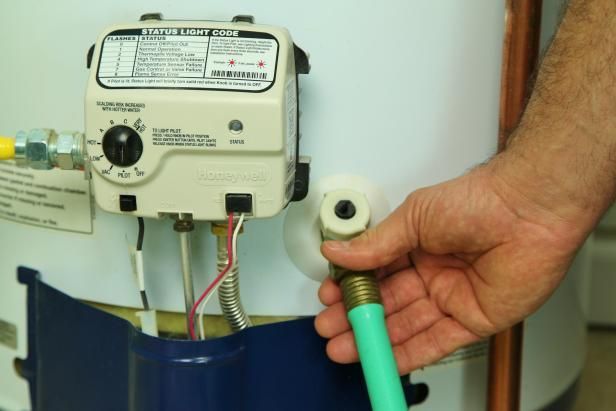
Suspecting a leak post-install, isolate by shutting off supply and observing discharge points—wicking at bases indicates tank perforation versus fitting drips. Dye tests pinpoint origins, while bucket collections quantify loss for warranty claims. Log ambient conditions; cold-weather leaks often trace to frost-vulnerable exposures.
Elevate units on blocks if pans fill recurrently, and install shutoff timers for absences. These interim measures buy time for corrections, empowering informed discussions with service providers.
Conclusion
In conclusion, new water heaters leak due to installation errors that compromise even superior engineering, from pressure mismanagement to sealing lapses and overlooked water heaters maintenance needs. By recognizing these pitfalls—the hidden dangers of neglected plumbing systems—and partnering with experts like All City Plumbers, homeowners secure installations that endure. Prioritize thoroughness over expedience, and your system will deliver reliable service for decades, averting disruptions and preserving value in every hot shower.