Smart Solutions for Preventing Water Damage in Your Basement
Water damage in basements strikes fast during heavy rains or pipe failures, soaking carpets, ruining drywall, and breeding mold that costs homeowners $2,500 on average per incident to fix. Smart prevention mixes simple fixes like better grading with high-tech helpers like sensors, keeping your space dry and usable year-round. These practical steps work for any home, from quick DIY jobs to affordable upgrades, helping you spot risks early and stop floods before they start. This guide lays out clear, effective solutions anyone can follow, blending everyday maintenance with clever tools for lasting protection.
Grading and Gutters: Directing Water Away from Foundations
Start outside where most trouble begins—rain pooling near your house soaks foundations and seeps inside. Check your yard slope: it should drop 6 inches over the first 10 feet away from the house. Use a shovel or rent a tiller to reshape soil into a gentle downhill slope, adding topsoil if needed and seeding grass to hold it steady. This simple fix diverts 90% of surface runoff without digging deep.
Gutters play a starring role too—clean them twice yearly, removing leaves and debris that block flow, and extend downspouts 5-10 feet out with splash blocks or buried pipes. Install gutter guards like mesh screens to cut cleaning to once a year. Watch for sagging sections and secure with brackets. These outdoor basics prevent 70% of basement leaks, keeping water far from walls.
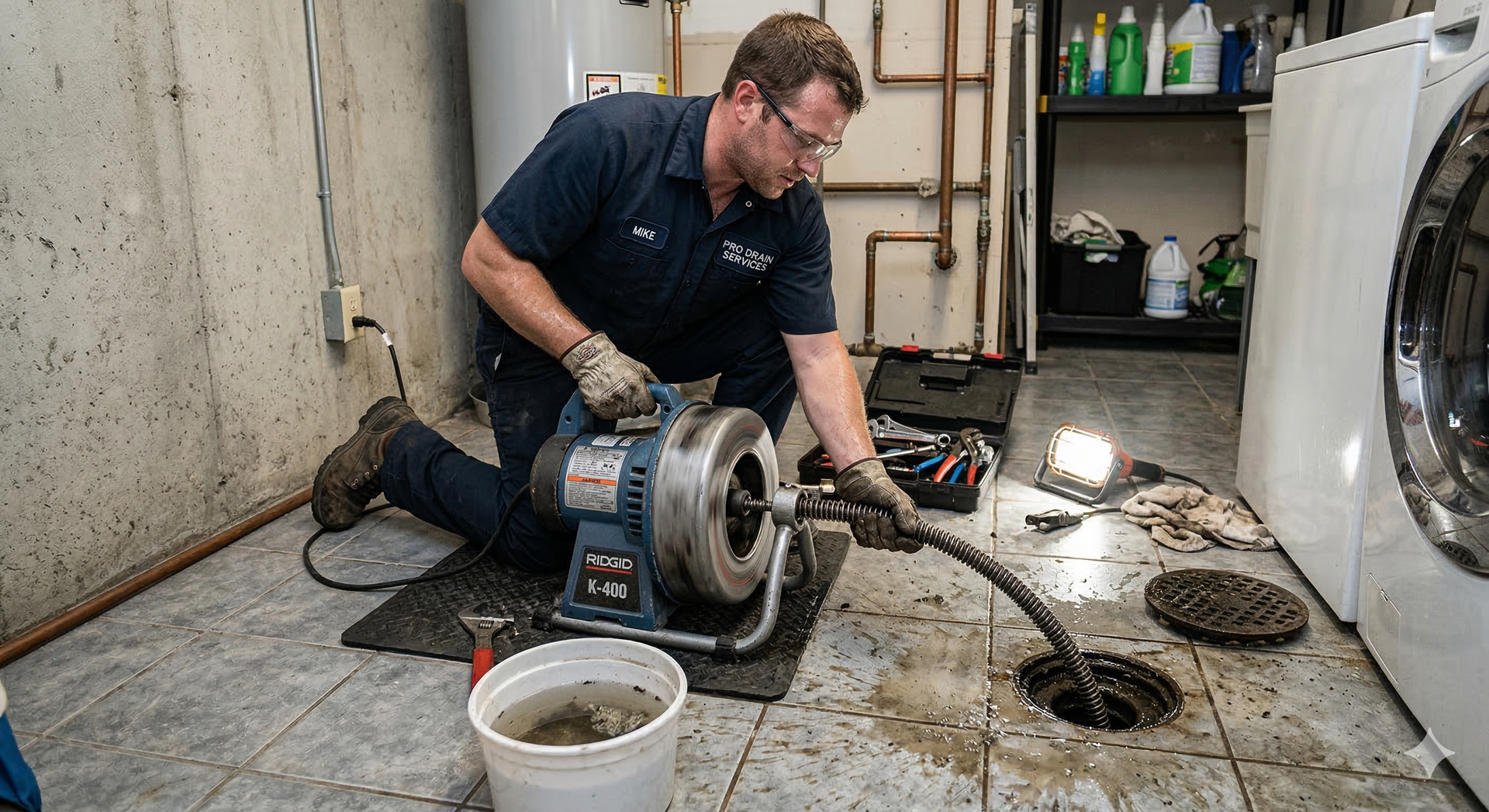
All City Plumbers often sees soggy basements from ignored gutters, recommending annual pro checks during routine visits to catch clogs before storms hit.
Sealing Cracks and Waterproofing Walls
Cracks in foundation walls let water trickle in like tiny rivers. Walk your basement perimeter after rain, shining a flashlight on concrete blocks or poured walls for hairline fissures wider than a credit card. Fill them with hydraulic cement from the hardware store—mix to peanut butter consistency, press in with a putty knife, and smooth flat. It sets in minutes and expands to seal tight.
For broader protection, apply a masonry waterproofing paint or liquid membrane like Drylok, rolling two coats on clean, dry walls after pressure-washing off dirt. These create breathable barriers stopping liquid water while letting vapor escape. Reapply every 5-10 years. Interior French drains—perforated pipes in a gravel trench along walls connected to a sump pump—catch seepage before it spreads, a smart upgrade for wet climates.
Installing Sump Pumps and Battery Backups
Sump pumps in basement pits automatically eject water before it floods, activating when levels hit 8-12 inches. Choose a 1/3 horsepower submersible model for most homes, tested monthly by pouring buckets in to confirm it runs strong. Add a battery backup for power outages—it pumps 4-8 hours on a full charge, preventing disasters during blackouts.
Wi-Fi smart pumps send phone alerts if they fail or water rises, letting you act remotely. Clean the pit quarterly, rinsing debris from the impeller. Emergency services shine here during storms, but backups mean fewer frantic calls. Pair with a water alarm float buzzing at 1/4-inch depth for double safety.
Smart Sensors and Leak Detectors for Early Alerts
High-tech sensors transform prevention by spotting trouble invisibly. Place Wi-Fi water detectors ($20-50 each) near appliances, sump pits, and wall bases—they buzz and app-notify at the first drip, often before you notice. Whole-home systems like Flo by Moen monitor flow 24/7, shutting valves automatically on bursts and alerting your phone.
Humidity gauges keep basements under 50% RH to fight mold; plug-in dehumidifiers pull moisture automatically. Install under $100 and link to smart hubs like Alexa for voice updates. These gadgets catch 95% of leaks early, saving thousands versus mop-up repairs.
Appliance and Plumbing Safeguards
Washing machines and water heaters leak silently—catch them with drip pans under units, piped to drains or alarms. Braided stainless hoses beat rubber ones, lasting 5-10 years without bursting. Shutoff valves at sinks and toilets turn water off fast during drips.
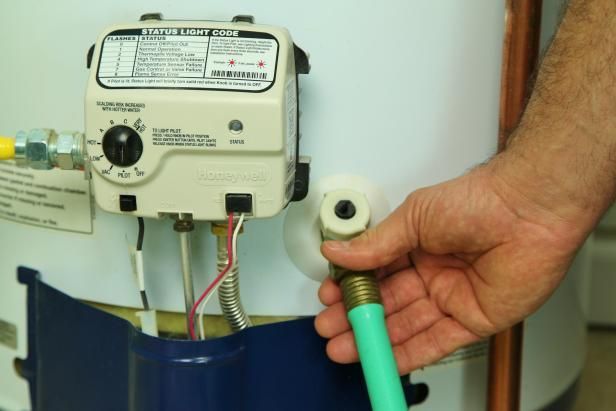
For hot water sources, annual flushes remove sediment boosting leak risks. Outdoor kitchen plumbing follows suit, routing lines with shutoffs and frost-proof bibs to avoid summer floods from hose mishaps. These habits stop 40% of indoor damage.
Ventilation and Dehumidification Strategies
Damp air breeds problems—run exhaust fans venting outside during laundry or cooking, keeping humidity low. The importance of plumbing ventilation stands out, as stack vents dilute sewer gases and dry traps, preventing overflows that wet floors. Install a whole-house dehumidifier sizing to your square footage, set at 45% RH, emptying automatically.
Seal gaps around pipes and windows with foam caulk or weatherstripping, and use area rugs on concrete to block rising damp. Open windows on dry days for cross-breezes. Dry basements stay problem-free.
Regular Inspections and Professional Tune-Ups
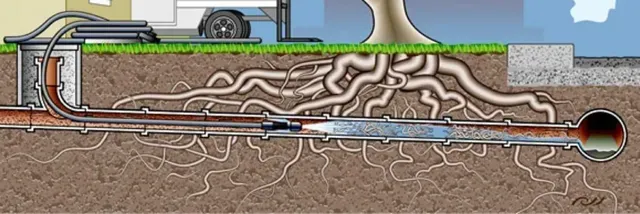
Monthly walkthroughs check for new stains, musty smells, or soft drywall—fix small spots fast. Annual pros pressure-test lines and scope drains for clogs. Budget $150-300 yearly for peace of mind.
Conclusion
Smart solutions for preventing basement water damage—from grading and seals to sensors and pumps—build layers of defense that's easy to maintain and highly effective. By mixing simple habits with tech helpers, you keep your space dry, safe, and valuable. Start small, stay consistent, and enjoy a worry-free basement ready for family life or storage.