How to Identify Gas Leaks Near Your Water Heater?
Water heaters are essential appliances in most households, providing hot water for daily needs like showers, dishwashing, and laundry. However, many homes rely on gas-powered water heaters, which use natural gas or propane to heat water efficiently. While these units are reliable when properly maintained, they can develop gas leaks over time due to factors such as corrosion, loose connections, faulty valves, or wear from age. A gas leak near your water heater poses serious risks, including fire hazards, explosions, and carbon monoxide poisoning, which is a colorless, odorless gas that can lead to dizziness, nausea, or even death if inhaled in high concentrations.
Identifying a gas leak early is crucial because these appliances are often installed in enclosed spaces like basements, garages, or utility closets, where leaks can accumulate unnoticed. Regular vigilance can prevent minor issues from escalating into emergencies. Gas companies add mercaptan, a sulfur-like odorant, to natural gas to make leaks detectable by smell, mimicking rotten eggs. However, not everyone can detect this scent due to factors like age, health conditions, or olfactory fatigue, where prolonged exposure dulls the sense of smell. Therefore, relying solely on odor isn't enough; combining sensory checks with visual and auditory cues provides a more reliable detection method. Homeowners should perform monthly inspections, especially in older homes where water heaters over 10 years old are more prone to degradation.
Common Signs of a Gas Leak
One of the most immediate indicators of a gas leak near your water heater is the distinctive rotten egg or sulfur smell, which becomes noticeable even in small quantities. This odor can waft from the utility area into living spaces, alerting you before concentrations become dangerous. If you smell it intermittently, it might suggest a slow leak from fittings or valves, while a constant strong presence signals a more urgent problem. Pay attention during routine activities like entering the laundry room or basement, as these moments offer prime opportunities for detection.
Beyond smell, physical symptoms in yourself or household members can serve as warning signs. Exposure to leaking gas often causes headaches, fatigue, dizziness, nausea, or irritation in the eyes, nose, and throat. These mimic flu-like symptoms but occur specifically near the water heater and resolve when you leave the area. Pets may exhibit unusual behavior too, such as lethargy, excessive barking, or hiding, as animals are often more sensitive to gas. In severe cases, higher concentrations can lead to confusion or loss of consciousness, underscoring the need for prompt action.
Visual cues are equally telling. Look for discoloration on the water heater's exterior, such as yellowing, sooting, or black streaks around the burner or pilot light, which indicate incomplete combustion and potential leaks. Dead or dying vegetation near outdoor vents, if your unit is externally vented, is another red flag, as gas displaces oxygen and kills plants. Listen for hissing or whistling sounds emanating from pipes, valves, or the gas meter—these are escaping gas under pressure making audible noise, especially in quiet environments.
Step-by-Step Detection Methods
To systematically check for gas leaks, start by ensuring safety: turn off the gas supply valve near the water heater (usually a quarter-turn lever perpendicular to the pipe) and ventilate the area by opening windows and doors. Never use matches, lighters, or electrical switches, as they can ignite the gas. Equip yourself with a flashlight and, ideally, a combustible gas detector, available at hardware stores for under $50—these battery-powered devices beep and light up when gas levels exceed safe thresholds.
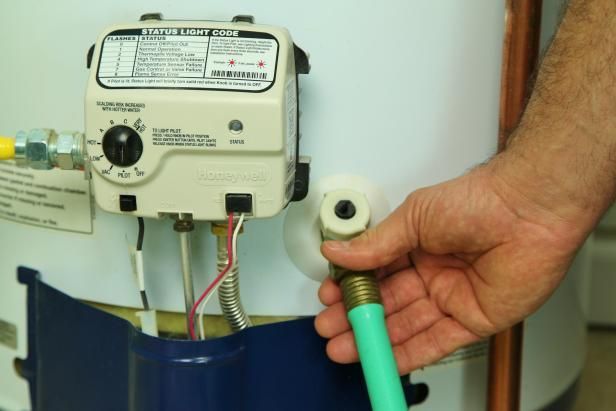
Begin with a visual inspection of all connections: examine the gas line entering the unit, the shut-off valve, the sediment trap (drip leg), and the flexible connector for corrosion, dents, or loose fittings. Gently tug hoses to check security, but avoid forceful handling. Next, perform the soapy water test, a proven DIY method trusted by professionals. Mix dish soap with water in a spray bottle and apply it liberally to joints, valves, and seams while the gas is briefly turned on (from a safe distance). Bubbles forming indicate escaping gas—large, growing bubbles mean a significant leak. This test is non-invasive and highly accurate for pinpointing issues without specialized tools.
For a more advanced check, use a gas leak detector wand or handheld sensor, waving it slowly around suspected areas while monitoring the digital readout. If you're uncomfortable or the unit is complex, contact All City Plumbers for their emergency services, as they have certified technicians equipped with infrared cameras and manometers to measure pressure differentials precisely. Document findings with photos for reference or professional reports.
Health and Safety Risks Involved
Gas leaks from water heaters extend beyond immediate explosion risks; they create long-term health threats through chronic low-level exposure. Carbon monoxide buildup can impair cognitive function, exacerbate respiratory conditions like asthma, and strain the cardiovascular system over time. Vulnerable groups, including children, the elderly, and those with pre-existing illnesses, face heightened dangers, making early detection a family priority.
Fire and explosion hazards amplify these concerns, as gas is highly flammable with a wide ignition range—any spark from a pilot light relighting, appliance startup, or static electricity can trigger a blast. Historical data from fire departments shows water heater-related incidents account for a notable percentage of home explosions annually. Moreover, undetected leaks contribute to structural damage; gas erodes metal components, accelerating corrosion and potentially leading to water heater failure. Why plumbing leaks lead to mold is a related issue—when gas lines corrode and spring water leaks alongside, moisture trapped in walls or floors fosters mold growth in as little as 24-48 hours, releasing spores that irritate lungs and trigger allergies.
Preventive Maintenance Strategies
Prevention starts with annual professional servicing, where technicians clean the burner, inspect the heat exchanger for cracks, and test for leaks using calibrated tools. Schedule this during off-peak seasons to avoid delays. At home, maintain a clear three-foot radius around the unit, free of flammable materials like paint cans, gasoline, or clutter, to minimize ignition sources.
Install carbon monoxide and combustible gas alarms near the water heater and on every level of your home, testing them monthly by pressing the test button. Replace batteries biannually and units every five to seven years per manufacturer guidelines. Upgrade to modern water heaters with automatic shut-off valves or flame sensors that cut gas flow during malfunctions. Educate household members on evacuation routes and the phrase "get low and go" during alerts, as gas is heavier than air and pools near the floor.
Monitor usage patterns too—sudden increases in gas bills without explanation often signal leaks, as even pinhole-sized escapes waste significant fuel. Insulate pipes to prevent condensation-induced corrosion, and ensure proper venting: gas water heaters require dedicated metal vents to the exterior, sloped upward to expel exhaust safely.
When to Call for Professional Help
While basic checks empower homeowners, certain signs demand immediate expert intervention: persistent odors despite ventilation, visible damage like bent pipes from earthquakes or impacts, or if the soapy water test reveals multiple bubble sites. Hesitation can turn a repairable issue into a catastrophe, so prioritize safety over cost.
Professionals bring diagnostic precision unavailable to DIYers, using flue gas analyzers to detect combustion inefficiencies and thermal imaging for hidden leaks. If your water heater is over 15 years old or shows sediment buildup, replacement might be wiser than repair, as efficiency drops and risks rise. Always choose licensed plumbers bonded and insured, verifying credentials via state licensing boards.
Conclusion
Identifying gas leaks near your water heater demands awareness, routine checks, and swift action to safeguard your home and health. By mastering signs like odors, symptoms, and bubbles from soap tests, while embracing prevention like alarms and servicing, you minimize risks effectively. Stay proactive—your vigilance ensures a safer living environment for years to come.