When to Call for Emergency Drain Cleaning Services?
Drain problems are a common concern for homeowners and businesses alike. While many drainage issues can be handled with routine maintenance or minor repairs, some situations demand immediate attention due to the severity of the clog or the risks posed by blocked drains. Knowing when to call for emergency drain cleaning services is crucial to prevent property damage, health hazards, and costly repairs. Expert plumbing teams like All City Plumbers provide reliable Emergency Services designed to respond swiftly and effectively to such urgent needs. This article delves into the critical signs that indicate the necessity for emergency drain cleaning, the risks of delay, and the benefits of rapid professional intervention. We will also touch upon how these services often coincide with other urgent repairs, such as the need to locate and repair a hidden leak in your wall.
Understanding Drainage and Its Importance in the Home
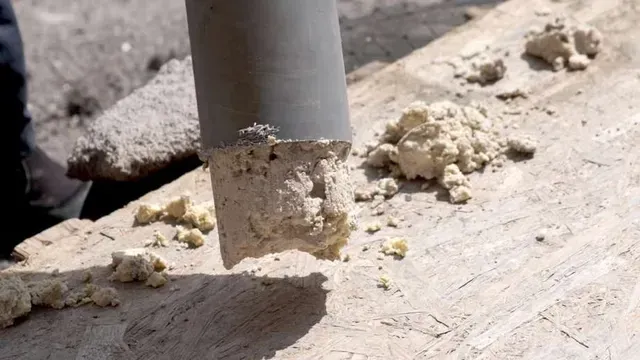
Drainage systems are integral to any building’s plumbing infrastructure, responsible for carrying wastewater away from sinks, showers, toilets, and appliances to the municipal sewer or septic system. While drains are designed to handle normal household waste, they are susceptible to blockages caused by grease, hair, mineral deposits, food particles, and even foreign objects.
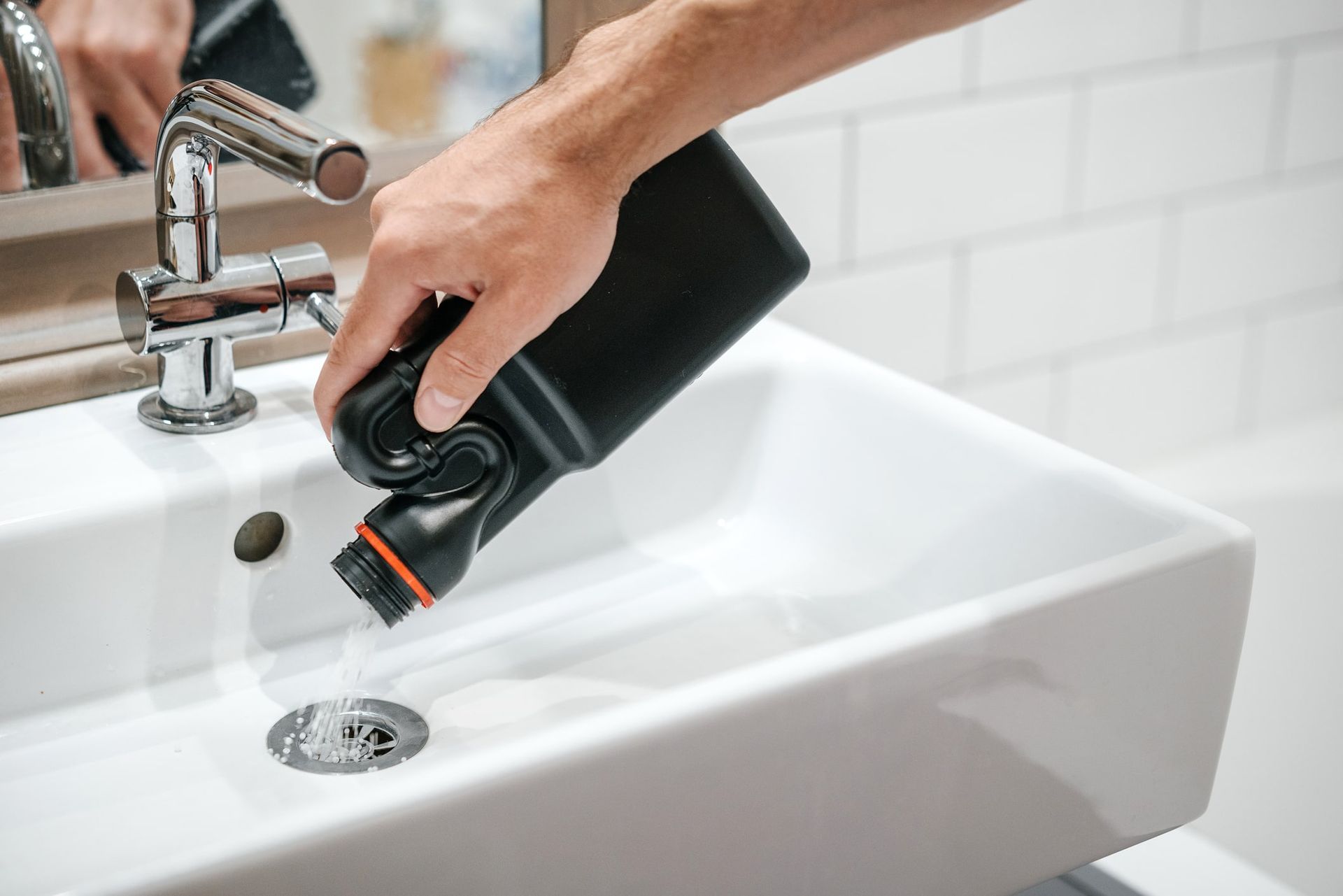
A clogged or slow drain interrupts daily routines and signals potential deeper problems in the plumbing system. Emergency drain cleaning services are specialized to tackle severe blockages that cannot be resolved with simple DIY methods, such as plungers or store-bought drain cleaners.
Signs You Need Emergency Drain Cleaning Service
1. Multiple Drains Are Clogged or Backed Up Simultaneously
If you notice that multiple fixtures—such as your kitchen sink, bathroom sinks, and toilets—are all draining slowly or backing up at the same time, it’s typically a symptom of a main sewer line blockage. This kind of clog obstructs drainage for your entire home and requires immediate professional attention to prevent sewage overflow and extensive damage.
2. Sewage Odors Inside or Around Your Property
Foul sewage smells emanating from your drains or around your house can indicate that wastewater is trapped due to a blockage or pipe damage. These odors are not only unpleasant but can carry harmful bacteria and gases that affect indoor air quality and health.
3. Water Pooling or Backing Up into Fixtures
Sewage or gray water backing up into sinks, tubs, or toilets during normal usage is a severe warning sign. This belies a clog or pipe break in the main drainage line and requires emergency drain cleaning to avoid contamination, flooding, and structural damage.
4. Slow Draining Despite Basic Clearing Efforts
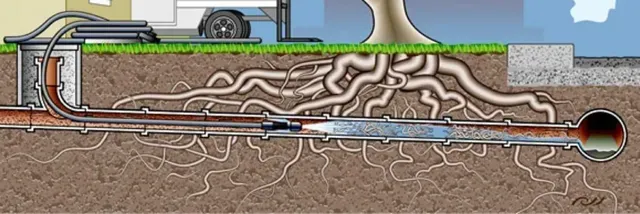
Occasional slow drainage is common; however, persistent or worsening slow drains after using plungers or chemical cleaners suggest a deeper, stubborn blockage. This may relate to grease buildup, invasive tree roots, or sediment accumulation that only professional machinery can clear.
5. Visible Damage or Leak Signs Near Drain Lines
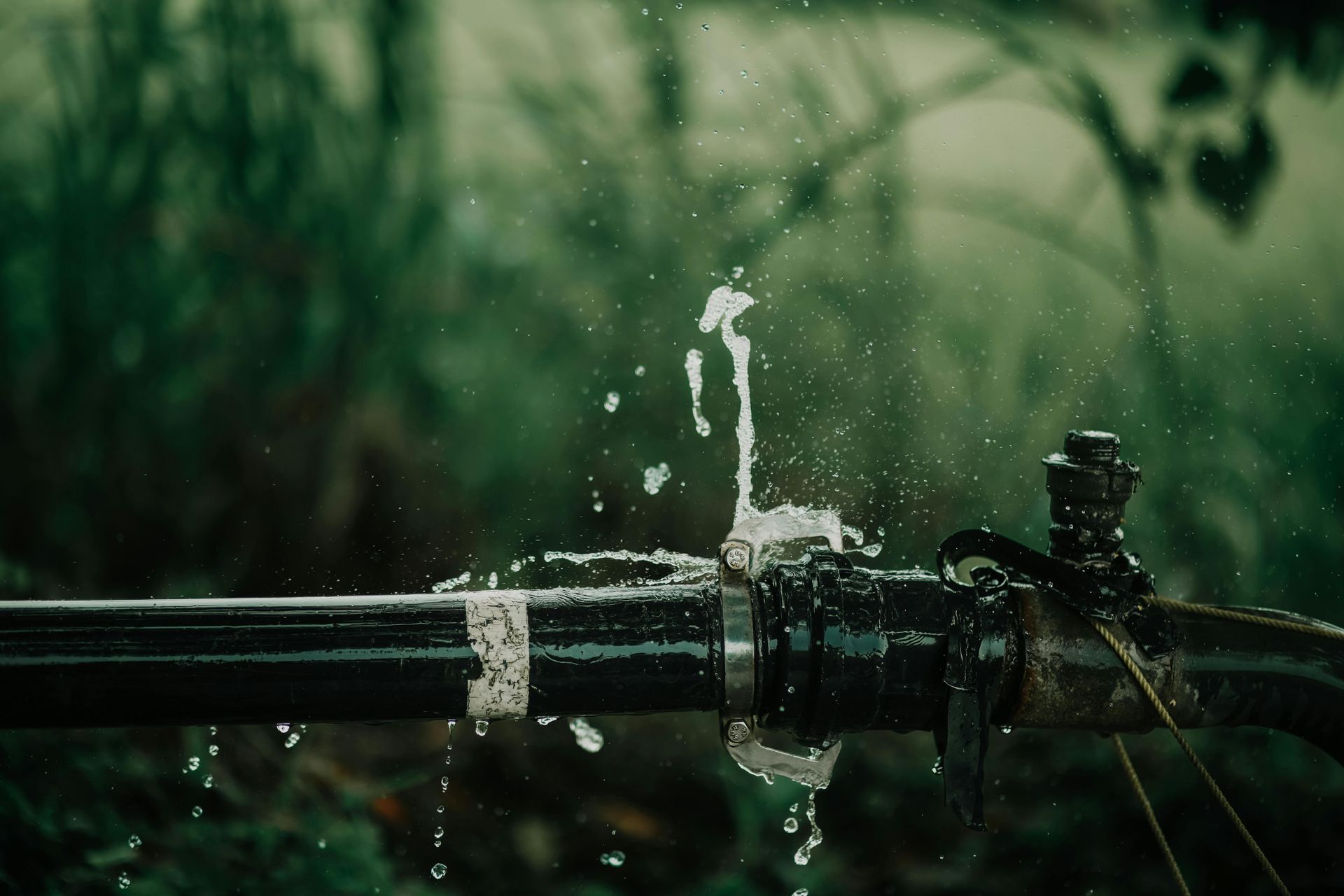
Sometimes, blockages accompany or cause leaks that result in water stains, damp walls, or mold growth. If deterioration occurs near your drain lines, quick action is needed to locate and repair a hidden leak in your wall before mold and structural damage spread.
Risks of Delaying Emergency Drain Cleaning
Ignoring or postponing necessary emergency drain cleaning can have severe consequences:
- Health Hazards: Wastewater contains bacteria and viruses that can cause infections and respiratory issues.
- Property Damage: Sewage backups or leaking water can damage flooring, cabinetry, and structural materials, leading to expensive repairs.
- Escalation of Plumbing Issues: Minor blockages can worsen or cause pipe bursts, increasing repair complexity.
- Inconvenience and Discomfort: Blocked drains disrupt daily tasks such as cooking, bathing, and laundry, impacting quality of life.
What to Expect from Professional Emergency Drain Cleaning Services
When you contact a trusted plumbing company like All City Plumbers for emergency drain cleaning, expect prompt and thorough service. Professionals typically begin with a detailed inspection, potentially using camera technology to diagnose the exact location and nature of the blockage.
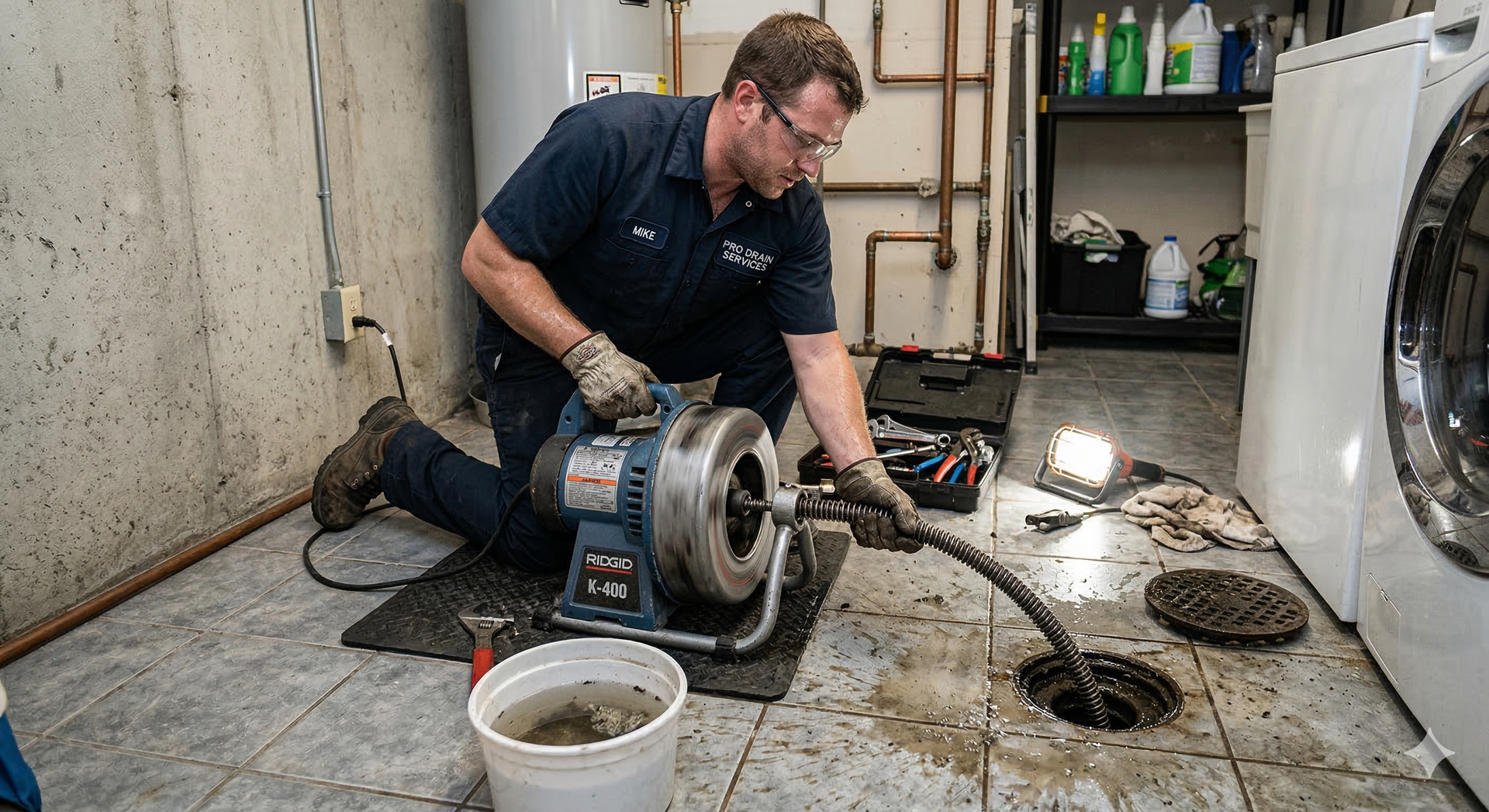
Using specialized equipment such as hydro jetting or mechanical snaking, they clear blockages efficiently. Hydro jetting is particularly valuable as it flushes grease and buildup from pipe walls, reducing recurrence rates, although each method has its pros and cons depending on your pipe condition.
After clearing the blockage, plumbers will test drainage flow and inspect for secondary issues like damaged pipes or leaks, recommending repairs or replacements when necessary.
Preventing Future Drain Emergencies
To minimize the risk of emergency drain blockages, maintain good habits such as avoiding putting grease, large food scraps, or non-degradable items down the drain. Regular drain inspections and scheduled professional Drain Clearing can help keep lines clear. Additionally, promptly addressing leaks and other plumbing anomalies guards against complications.
Conclusion
Understanding when to call for emergency drain cleaning services can prevent minor drainage annoyances from escalating into major disasters. Signs such as multiple clogged drains, sewage odors, backups, or persistent slow draining signal the need for immediate professional intervention. Expert teams like All City Plumbers are equipped to provide fast, effective Emergency Services that restore functionality and protect your property. Coupled with proactive maintenance and timely repairs—such as locating and repairing hidden leaks—these services preserve your plumbing health and peace of mind, ensuring your home’s systems operate smoothly and safely year-round.