How A Plumber Unclogs A Shared Disposal Drain Line?
Shared disposal drain lines, common in multi-unit buildings or homes with adjacent kitchens and laundry areas, frequently clog from grease, food scraps, soap residue, and fiber buildup accumulated over time. Plumbers unclog these lines using targeted techniques that restore proper flow without damaging interconnected systems or placing excess strain on aging pipes. This process demands precision to avoid backups in neighboring units, emphasizing the role of versatile plumbing tools in navigating complex pipe networks.
Advanced equipment such as drain augers, inspection cameras, and hydro-jetting systems often helps professionals identify the exact source of the blockage and clear it efficiently. Routine maintenance of these shared lines can also reduce recurring clogs, improve drainage performance, and help prevent costly plumbing disruptions for multiple households.
Understanding Shared Drain Dynamics
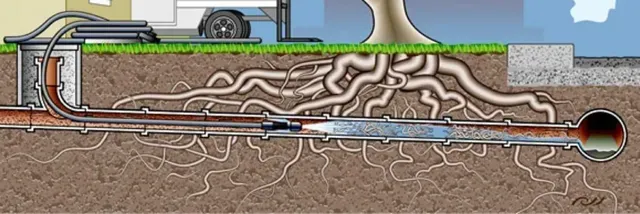
Shared lines merge wastewater from disposals, sinks, and sometimes washers, creating prime clog zones at junctions. Plumbers begin with a flow test, running disposals in sequence to map slowdowns. Hydroscopes or camera inspections reveal blockages like congealed fats or invading roots, guiding the unclogging strategy.
Patience proves key, as aggressive plunging risks pushing debris downstream into shared segments.
The Step-by-Step Repair Process
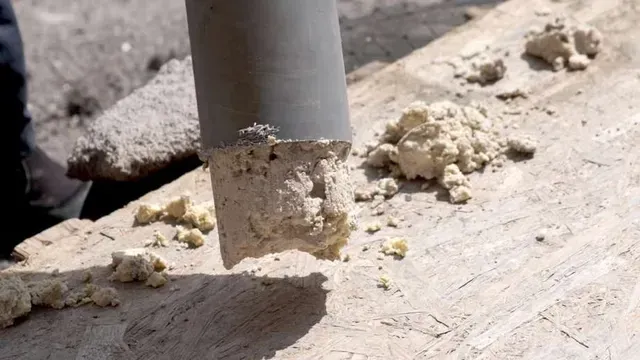
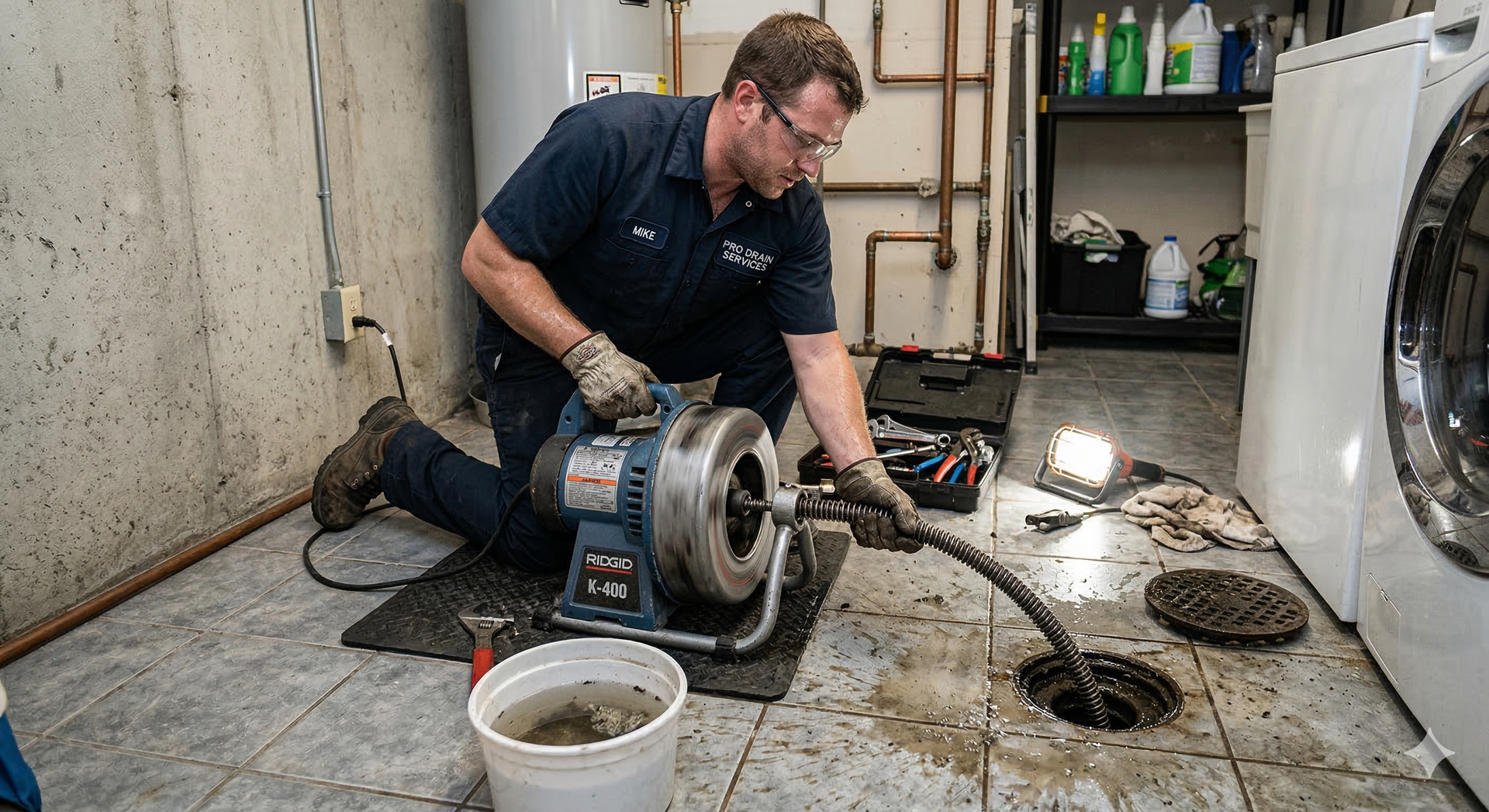
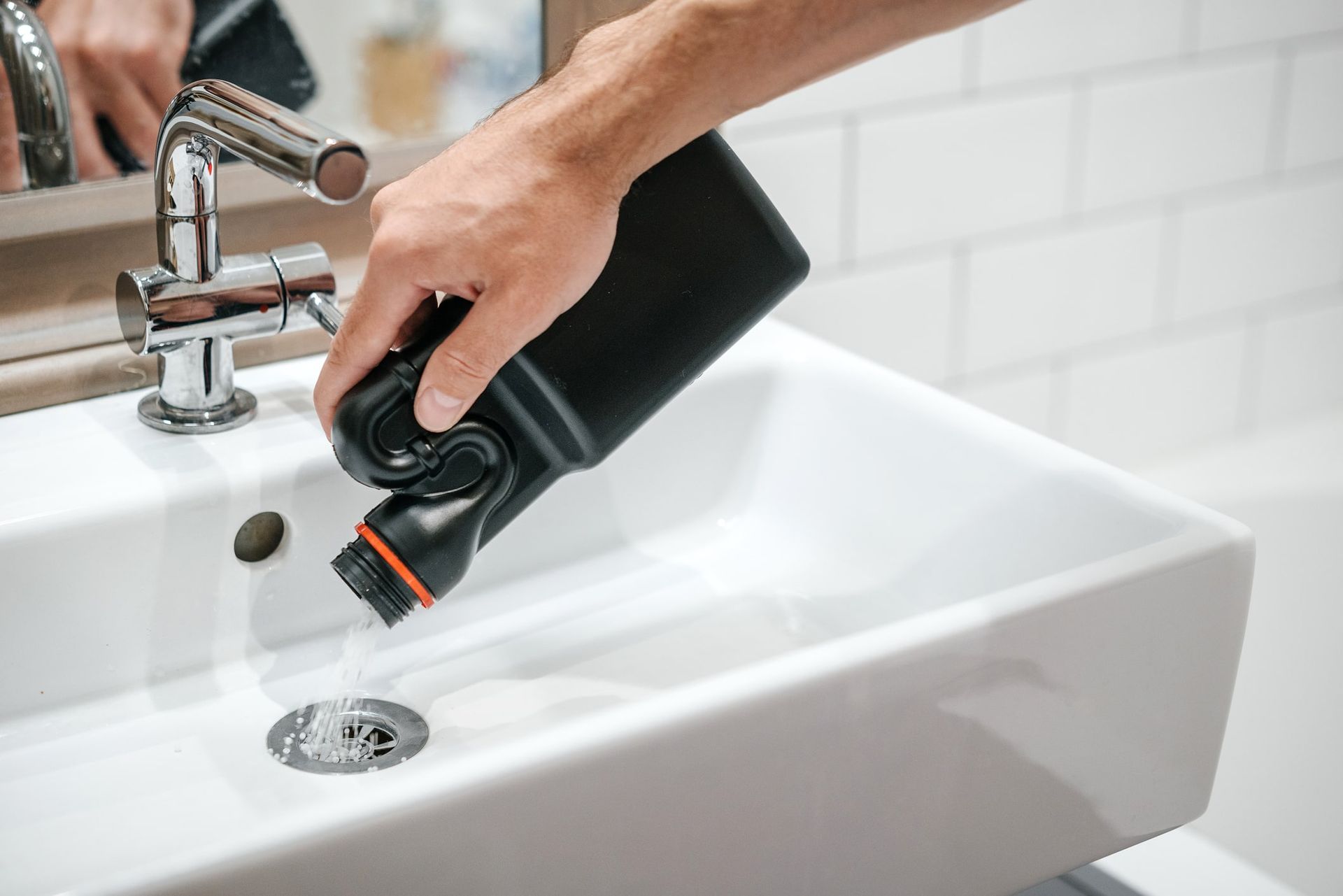
Repair starts with accessing cleanouts nearest the disposal, deploying a plumber’s snake or auger with a cutting head to chew through obstructions. Rotate steadily while advancing, retracting periodically to evacuate debris into a wet vac. For stubborn grease, enzymatic treatments precede mechanical action, breaking down organics safely.
Flush with boiling water and baking soda to clear residues. All City Plumbers refines this process for efficiency, often linking it to sump pump repair in basements where shared lines converge. Test multiple fixtures post-repair to confirm system-wide restoration.
Techniques for Leak Isolation
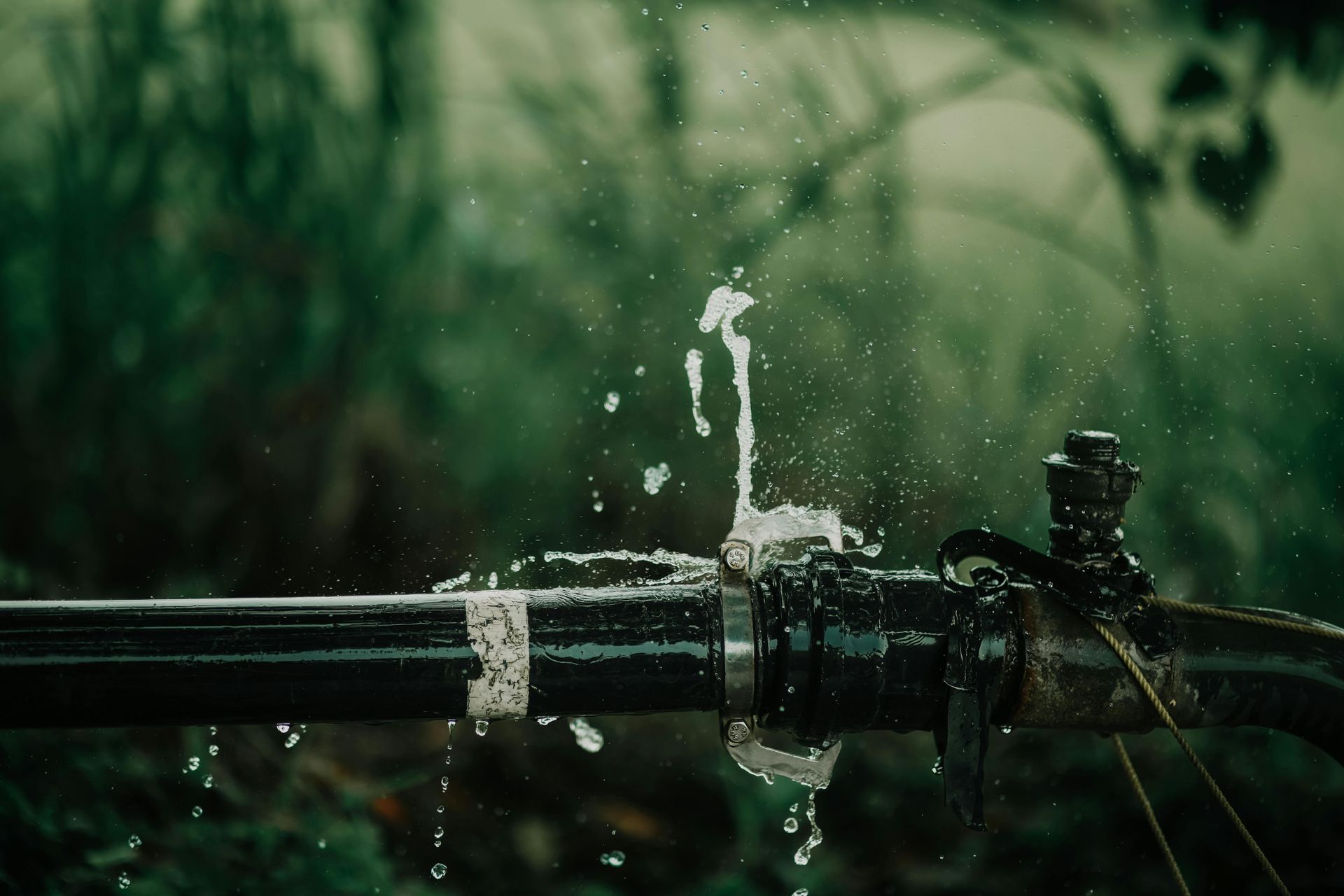
Leak isolation follows unclogging, as agitation can loosen fittings in shared lines. Infrared thermography spots temperature drops from escaping water, while pressure gauges at access points quantify losses. Insert smoke tests to trace paths through vents, pinpointing pinholes or cracked traps.
Isolate affected branches with ball valves, containing issues without full shutdowns. This methodical isolation prevents cross-contamination between units.
Reliable Patching Methods
Patching methods address wear exposed during unclogging, employing union couplings for quick segment swaps in accessible runs. Epoxy liners coat interiors of minor cracks, hardening to a smooth, impermeable surface. External fernco connectors flex around misaligned joints, sealing with stainless clamps.
Emergency services for a burst waterline and tools used parallel these patches, providing interim strength during transit to permanent fixes. These solutions maintain integrity amid shared demands.
Strategies for Long-Term Maintenance
Long-term maintenance curbs recurrence through monthly enzyme doses into disposals and annual camera inspections of shared lines. Install hair traps and grease interceptors at entry points, easing load on junctions. Monitor sump pumps tied to the system, as their failure exacerbates backups.
Educate all users on disposal dos and don'ts, fostering collective vigilance. Professional audits every two years sustain peak performance.
Conclusion
Plumbers unclog shared disposal drain lines through expert repair processes, leak isolation, and precision patching, ensuring seamless operation across multi-unit plumbing systems. Integrating specialized plumbing tools with proactive maintenance transforms vulnerability into long-term reliability by addressing minor drainage issues before they escalate into widespread backups or pipe damage. Skilled technicians also assess overall pipe condition during repairs, helping property owners identify hidden weaknesses that could compromise the system later on.
Adopting these practices averts costly disruptions, preserves harmony in shared living environments, and extends the lifespan of critical plumbing infrastructure. Regular inspections, timely drain cleaning, and preventative care contribute to smoother drainage performance and fewer emergency service calls. Commitment to these strategies ultimately yields a more efficient, durable, and trouble-free plumbing system for everyone connected to the network.