The Best Tools for Clearing Hair Clogs in Bathroom Drains
A clogged bathroom drain, clogged by hair and soap residue, disrupts daily routines and can lead to odor, slow drainage, and eventually more serious plumbing issues. Choosing the right tools and methods to remove hair clogs protects your pipes and reduces the need for professional intervention. This article covers effective tools, step-by-step repair processes, leak isolation and patching methods where relevant, and long-term maintenance strategies to keep bathroom drains flowing freely.
Common Causes and Initial Inspection
Hair clogs typically form where flowing water slows—at trap bends, near the drain strainer, and at transitions in pipe diameter—where wet hair and soap scum collect and mat together. Begin every repair by visually inspecting the drain and surrounding fixtures to determine whether the clog is localized to a single fixture or affecting multiple drains; localized clogs are usually mechanical and easier to clear, while multiple slow drains can indicate a deeper obstruction. Remove the drain cover or pop-up stopper when possible to gain direct access, and use a flashlight to look into the top portion of the trap; often you can see and reach fresh clumping hair with manual tools. If you detect signs of corrosion, persistent black residue, or unexpected leakage during inspection, isolate the affected area before proceeding to prevent water damage and to make repairs safer.
Hand Tools for Direct Removal
Simple hand tools deliver the fastest, least expensive results for most hair clogs. Long, flexible drain wands with micro-hooks can be inserted down the pipe to snag and withdraw accumulated hair without introducing harsh chemicals. A drain snake or hand auger with a thin, coiled cable and small tip is suited to reach deeper clogs and to thread through common trap bends; use a gentle twisting motion while feeding the cable and withdraw slowly to pull the mass out. For accessible traps, remove the P-trap with a bucket underneath to directly clear trapped hair and clean the pipe interior; this also offers an opportunity to inspect the trap for damage or small leaks that may need sealing. When using these tools, always operate slowly to avoid pushing the clog deeper and to reduce stress on older joints and fittings.
Powered Tools for Stubborn Clogs
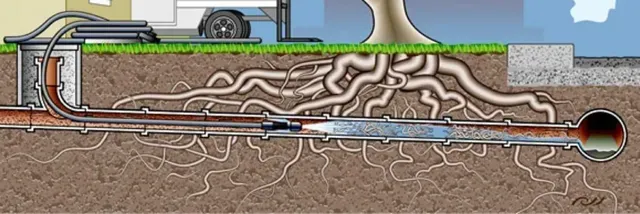
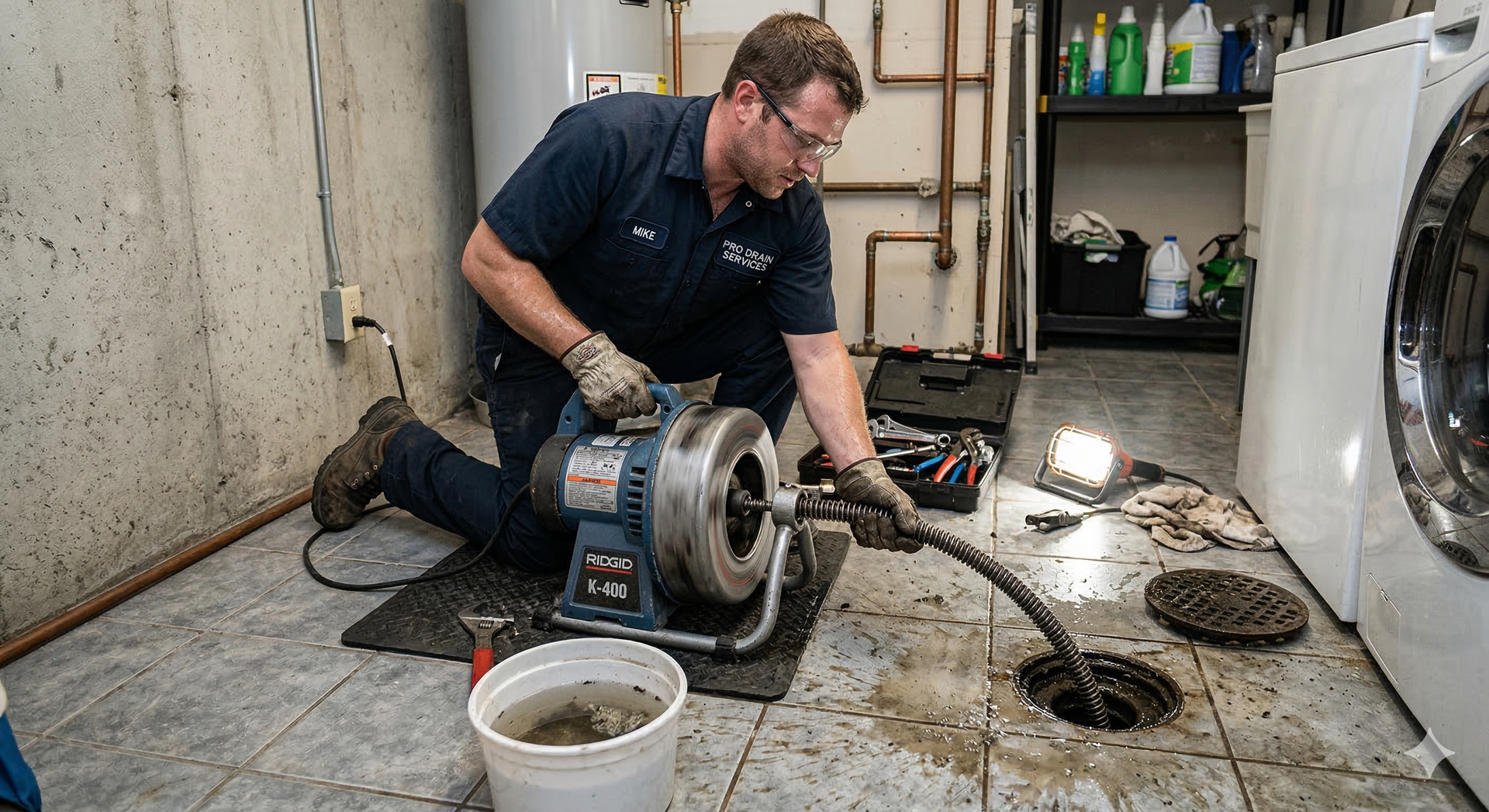
When manual tools fail, a powered auger or in-line drain machine provides additional torque and reach to break up or extract compacted hair and residue. Electric drum augers spin a cable at higher speed and are effective for dense obstructions in longer runs, but they require careful handling to avoid damaging pipe walls—particularly older metal pipes or fragile PVC. Small hand-held power drain snakes balance force and control for household use; operate them at low speed and avoid aggressive pressure at bends. For severe blockages embedded in mains or soil stacks, hydro-jetting performed by professionals clears obstructions with pressurized water but should only be used by experienced technicians because of the risk of damaging aged pipes and seals.
Chemical and Enzymatic Treatments
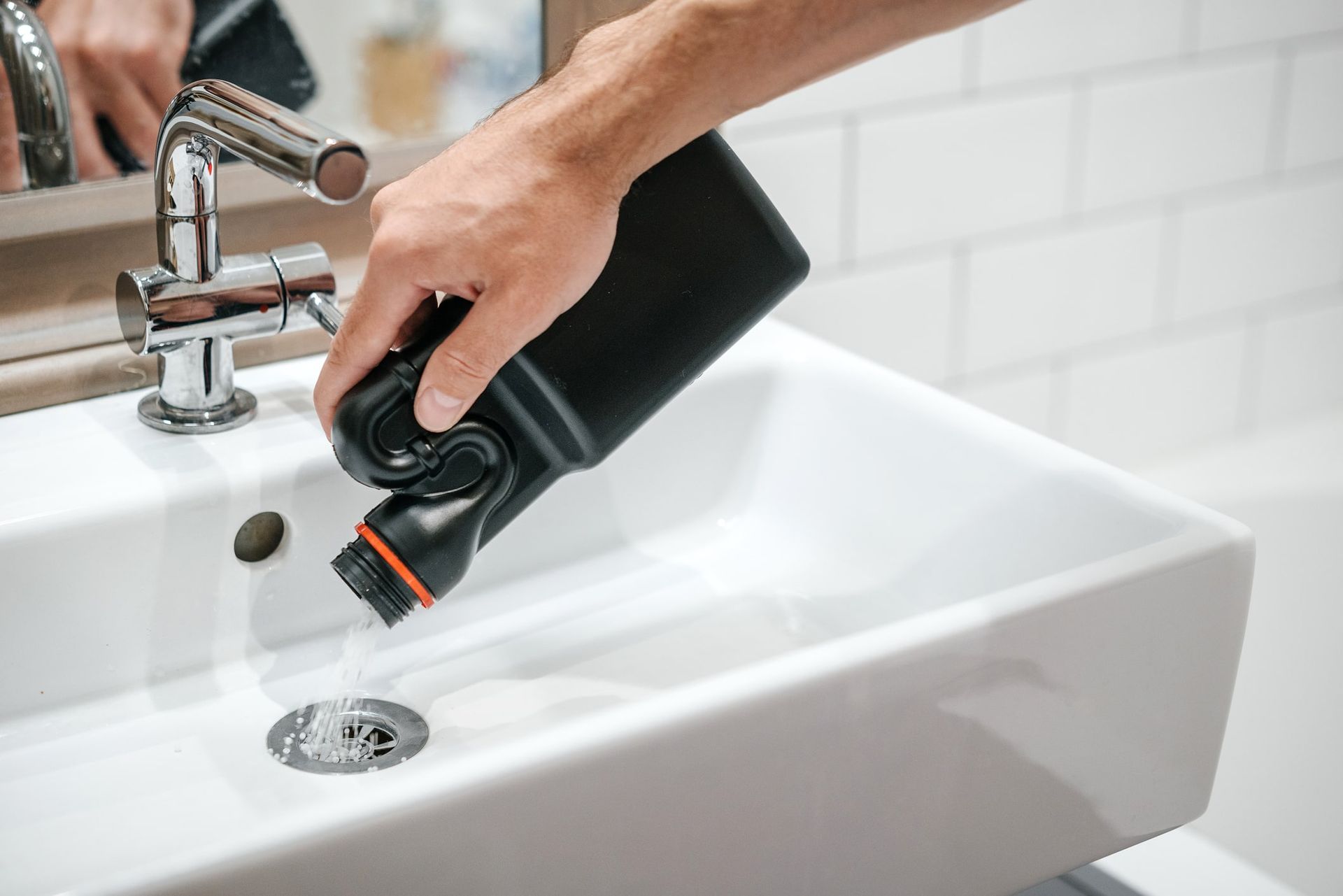
Chemical drain cleaners designed specifically to target hair and soap scum can dissolve organic residue that mechanical tools cannot fully remove, although caustic formulas should be used sparingly and with caution. Enzyme-based or biodegradable products offer a gentler option that digests organic material over several hours and is less aggressive to modern piping and septic systems. Use chemical or enzymatic treatments only after mechanical removal of the bulk of the clog whenever possible, and follow manufacturer instructions to avoid injury or chemical interactions. If drains repeatedly require chemical treatments, investigate the root cause—such as chronic hair entry or degraded pipe surfaces—because repeated chemical use may mask underlying mechanical failures that need repair or replacement.
Repair Process and Leak Isolation
While clearing hair clogs is usually a non-invasive process, sometimes cleaning reveals leaks or weakened fittings. If you discover a weeping joint or a corroded trap while removing a clog, isolate the water supply to the fixture or remove the local supply line to minimize moisture during repair. For small pinhole leaks in accessible sections, temporary measures such as epoxy putty or a rubber patch held by a pipe clamp can stop weeps long enough to schedule permanent work. When a P-trap or waste arm shows corrosion or cracks, replace the affected section with a correctly sized replacement—preferably a corrosion-resistant material like stainless steel or PVC depending on local code and existing piping. In situations where the clog was a symptom of broader drainage issues, consider hiring a qualified service for a full diagnostic and professional drain cleaning to both clear the obstruction and confirm the structural integrity of the system; many homeowners rely on reputable local services for this comprehensive work, including those trading under names similar to All City Plumbers for full-service drain cleaning and diagnostics.
Patching Methods for Temporary Fixes
Temporary patching can prevent immediate water damage but is not a substitute for permanent repair. For external leaks on straight runs of pipe, wrap a clean, dry area with rubber and secure it with hose clamps or a repair clamp rated for plumbing use; some repair clamps are designed specifically for quick, pressure-rated fixes. Epoxy putty molded around a small crack cures into a solid patch that restores functionality for moderate pressure conditions; always allow the recommended cure time before restoring normal water use. For threaded leaks where tape or joint compound has failed, drain and dry the joint, disassemble it, and apply fresh thread sealant or plumber’s tape before reassembly to proper torque. Document all temporary repairs and prioritize follow-up—temporary patches can loosen or fail under fluctuating temperatures and pressures.
Long-Term Maintenance and Preventive Tools
Prevention is the most cost-effective way to manage hair clogs long-term. Physical drain strainers and screen inserts placed over tub and sink drains capture most loose hair before it enters the trap; regular cleaning of these strainers is essential to prevent overflow. Consider installing catcher systems designed to fit beneath pop-up drains or using internal catchers that allow the drain to operate normally while intercepting strands. Routine maintenance every few months—manual removal of debris, a gentle mechanical pass with a flexible wand, and an enzymatic treatment—keeps buildup minimal and avoids the need for aggressive approaches. For homes with recurring clogs, scheduling periodic professional drain cleaning and inspection can reveal deeper issues like improper slope, tree root infiltration, or failing pipe material; professional drain cleaning services perform both mechanical clearing and system-level assessments to reduce future incidents.
Health and Material Considerations
Older plumbing systems sometimes present additional concerns beyond clogs. If your property contains antiquated materials or you suspect contamination from legacy plumbing, address those issues during any major plumbing service. Specifically, understanding how lead pipes affect health and how to replace them? is essential when renovations or deep-cleaning work is performed, because disturbances to lead-bearing materials can increase short-term exposure risk. Water testing and proper removal protocols are crucial; replacing lead service lines and lead-bearing interior plumbing requires coordination with licensed professionals who follow established safety and disposal procedures. When planning any invasive cleaning, replacement, or repair, confirm that chosen materials and methods are compatible with the rest of the drainage and supply system to prevent galvanic corrosion or other unintended consequences.
When to Call a Professional
Call a licensed plumber when clogs persist despite reasonable DIY attempts, when you detect multiple fixtures affected simultaneously, when there are signs of structural leaks, or when you suspect deeper sanitation or material issues like contamination. Professionals have access to diagnostic tools—camera inspection, pressure tests, and sectional isolation techniques—that quickly identify the clog location and underlying causes without unnecessary destruction. They can also determine whether aggressive methods such as hydro-jetting are safe for your pipe materials and can perform necessary replacements to code. Many homeowners opt for a professional service that offers both mechanical clearing and post-service recommendations; trusted providers able to supply comprehensive drain cleaning and follow-up repairs, often under names like All City Plumbers, can be an efficient option for complex or recurring problems.
Example Repair Illustration
A typical repair for a stubborn shower hair clog starts with removing the strainer and using a long hooked wand to pull out visible hair. If the drain still flows slowly, feed a hand auger through the trap and retrieve compacted material, then reassemble and test flow. If the clog reappears or the auger meets unusual resistance, a camera inspection will identify whether the issue is a foreign object, a collapsed segment, excessive buildup, or root intrusion; a professional can then recommend either targeted replacement of the affected segment or a scheduled hydro-jet to restore the line. This staged approach minimizes unnecessary work, protects pipe integrity, and documents the cause so future preventative measures can be focused and effective.
Conclusion
Selecting the right combination of tools—mechanical wands, hand augers, judicious use of enzymatic cleaners, and physical strainers—resolves most hair-clog issues while limiting stress on your pipes. Combine immediate removal techniques with sensible patching, leak isolation when needed, and scheduled preventative maintenance to maintain reliable drainage and reduce the need for emergency repairs. Engaging professional services for diagnostics or extensive clearing preserves the long-term health of your plumbing system and ensures that larger problems are identified and corrected correctly.
Addressing underlying material concerns and following safe removal and replacement practices for hazardous materials will protect household health, and routine attention to strainers and gentle maintenance keeps hair where it belongs—out of the drain. With the right tools and approach, bathroom drains can remain clear, functional, and sanitary for years to come.