How to Maintain Your Home’s Plumbing During Long Vacations?
Preparing your plumbing before a long absence protects your property and reduces the chance of disruptive emergencies. Effective maintenance combines careful inspection, strategic shutoffs, and targeted repairs that you either perform yourself or delegate to a trusted professional. This article walks through the repair process, isolating leaks, common patching methods, and long-term maintenance practices that keep a home’s plumbing resilient while you’re away.
Pre-departure inspection and basic repairs
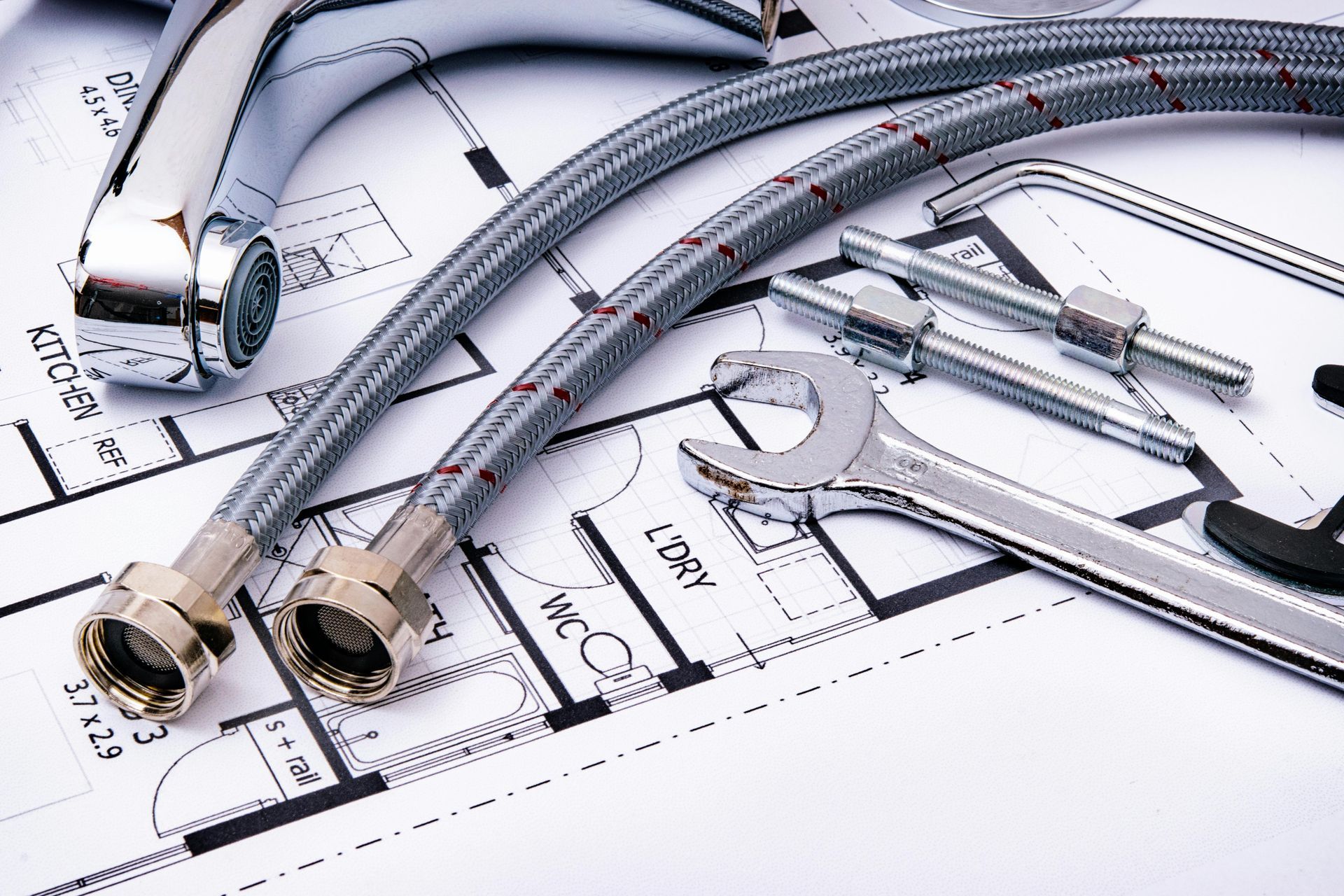
Start by performing a thorough walkthrough focused on visible fixtures and accessible piping. Check under sinks, around toilets, behind appliances, and in basements or crawl spaces for signs of moisture, staining, or corrosion. Tighten any loose fixture connections and replace worn supply lines, especially older braided hoses on washing machines and dishwashers. Small tasks such as swapping a failing supply hose or refreshing a deteriorated wax ring under a toilet can prevent major leaks while you are unreachable. If you encounter issues beyond simple fixes or lack confidence in the diagnosis, contact a licensed service; many homeowners rely on local firms like All City Plumbers for timely inspections and pre-vacation servicing.
Shutting off and isolating systems
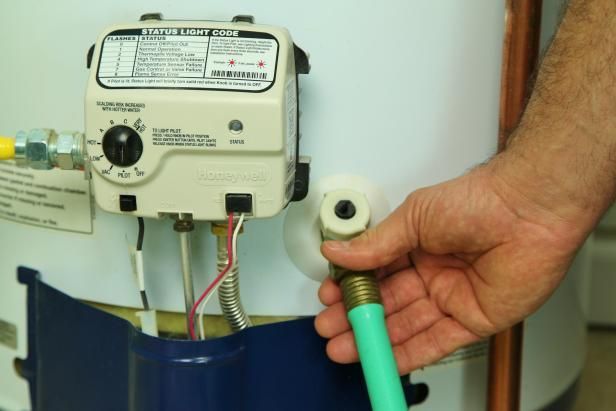
One of the most effective steps to limit risk during extended travel is selective shutoff. Locate the main water shutoff and ensure it operates smoothly; shut it off and then open a faucet to confirm drains and downstream lines empty as expected. For homeowners who need minimal water access for pets or plants, consider isolating specific systems instead of the entire supply. Shut off valves for washing machines, dishwashers, and outdoor spigots can be closed while leaving kitchen and bathroom taps available under controlled use. In multi-zone homes, isolating the hot water heater or certain branch lines reduces exposure and simplifies recovery if a problem arises.
How to approach waterline repair and replacement before leaving
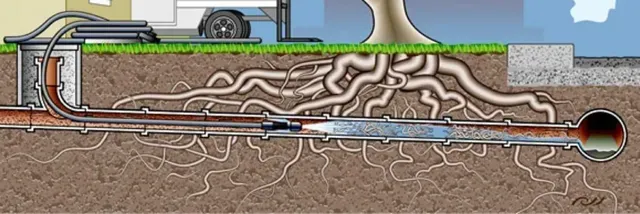
When pre-existing concerns point to compromised service lines or aging materials, plan repairs well ahead of your departure date. Waterline repair and replacement may involve excavating access points, replacing corroded segments, and upgrading fittings to modern standards. Prioritize any visible leaks, persistent low pressure, or discolored water, since these indicate systemic problems that could worsen under an absence. For many households, scheduling a professional assessment allows for a definitive plan: temporary patches for short gaps, or complete replacement when wear suggests imminent failure. Properly executed replacements will not only reduce risk during a vacation but also improve long-term reliability and water quality.
Diagnosing leaks and the leaking shower pan
Leaky fixtures can be subtle but damaging. To diagnose minor leaks, use a moisture meter in suspicious areas and mark the progression of any active seepage. If a leak originates from a fixture, remove trim and access plates to inspect connections and seals. For problems located beneath tiled showers, it is essential to determine whether the issue is a failed grout line, cracked pan, or compromised membrane. Professional technicians have tools to diagnose and fix a leaking shower pan without unnecessary demolition, often employing targeted access through adjacent closets or panels. Prompt identification and repair prevent mold growth and structural damage that are costly and disruptive to remedy after an extended absence.
Temporary patching methods and when to use them
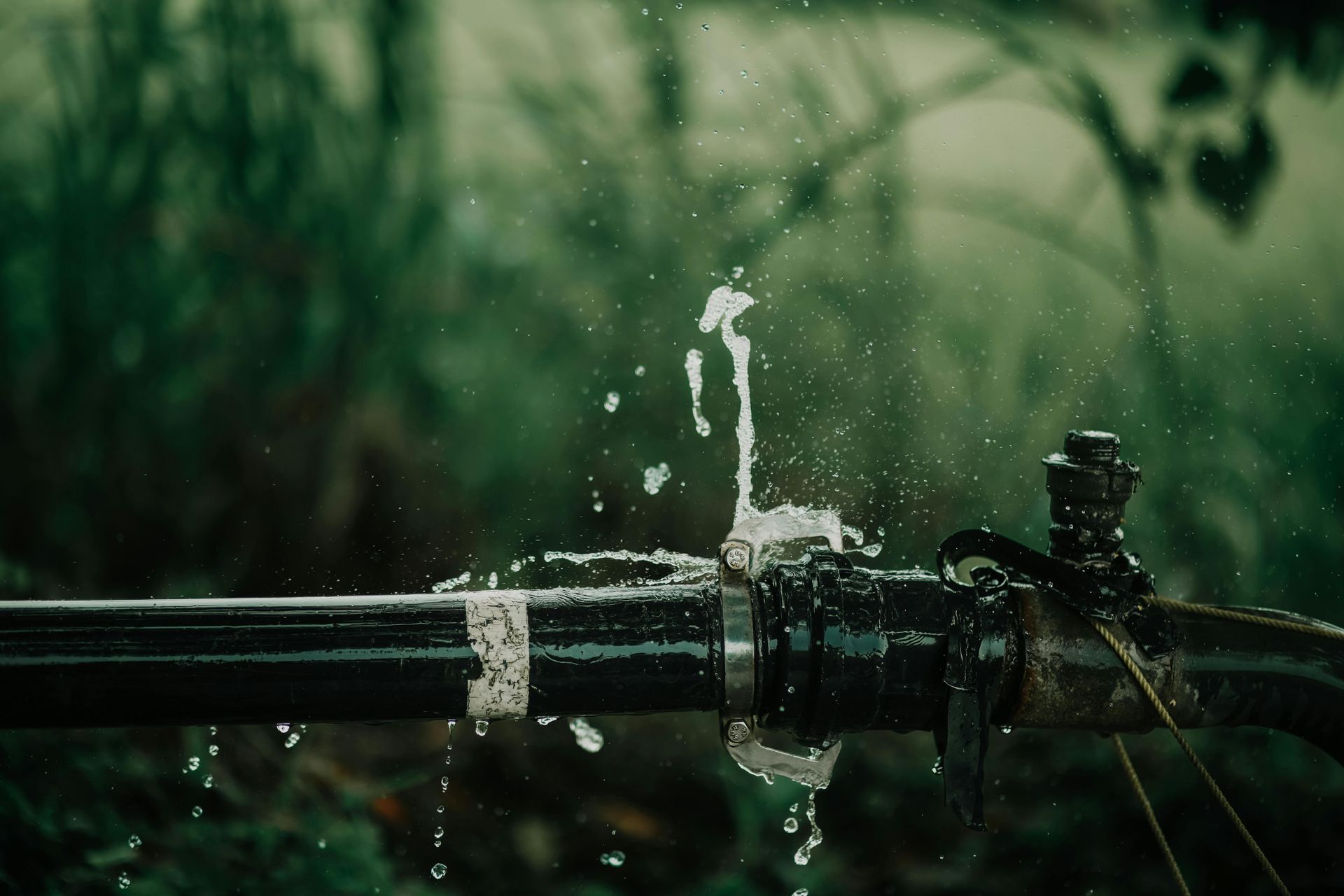
Temporary patches can be effective stopgaps when time is limited, provided they are applied with the expectation of permanent follow-up. Epoxy putties and repair sleeves are suitable for pinhole leaks in accessible copper or PVC lines and can hold until a scheduled replacement. Silicone and specialized sealants can address minor fixture weeps or grout breaches in non-pressurized areas. Use hose clamps or rubber patch kits for emergency containment on supply hoses, but recognize their limitations: these are not substitutes for professional repairs when pressure or corrosion presents ongoing risk. Document any temporary measures and notify a service provider to complete permanent work on your return.
Monitoring systems and remote options
Modern plumbing maintenance benefits from technology that alerts homeowners to anomalies while away. Leak detection sensors placed near water heaters, laundry appliances, and sump pits can send push notifications or trigger automatic shutoff valves when moisture is detected. Smart shutoff devices can isolate the main supply remotely on receiving an alert, minimizing damage before someone can intervene. If you rely on property caretakers or neighbors, provide them with clear instructions, access to shutoff locations, and contact information for your service provider so they can act quickly if an alarm is received.
Long-term maintenance to reduce vacation risks
Consistent, proactive maintenance reduces the likelihood of emergencies during long absences. Annual inspections of the water heater, routine descaling where hard water is present, and periodic assessment of exposed piping for corrosion extend system life. Replace older flexible supply lines and consider upgrading to corrosion-resistant materials in areas prone to leaks. Keep records of repairs and component ages, and plan major replacements during seasons when you are available to oversee work. Building a relationship with a trusted plumber ensures that scheduled maintenance and urgent repairs are handled professionally; when ongoing issues surface, companies experienced in both residential work and comprehensive service calls can coordinate more complex interventions.
Coordinating repairs and professional help
For complex issues or anything involving the main service, schedule professional work well before departure so repairs can be tested and validated. A skilled plumber will pressure-test repaired sections, verify valve integrity, and confirm that appliances are isolated correctly. If a repair involves reconstruction or access through finished walls, coordinate timelines and communication so contractors can complete the job with minimal disruption. Keep service receipts and documentation accessible and leave a list of emergency contacts, including the contractor who completed the work, with anyone responsible for checking the home in your absence.
Conclusion
Effective plumbing maintenance for long vacations relies on a mix of careful inspection, prudent isolation of systems, and timely repairs. Addressing visible wear, arranging waterline repair and replacement when needed, and using temporary patches only as interim measures will greatly reduce the likelihood of damaging leaks. Leveraging modern monitoring devices and coordinating with reputable professionals ensures swift response to any issues that arise while you are away.
Taking preparatory steps also protects the structure and finishes of your home by preventing small problems from escalating. By documenting interventions, leaving clear access and contact instructions, and scheduling professional assessments ahead of travel, you create a safety net that preserves both peace of mind and property value. If you encounter specialized problems such as deteriorating service lines or suspect that you need someone to diagnose and fix a leaking shower pan, engaging qualified technicians before departure is the best safeguard against costly surprises.