What Tools To Keep For A Water Heater Emergency?
Water heater emergencies strike without warning, from sudden leaks to total failures, disrupting hot water and risking water damage throughout the home. Stocking the right tools empowers homeowners to respond swiftly, stabilizing situations until professionals arrive. Essential plumbing tools like pipe wrenches, shutoff keys, leak sealants, buckets, and heavy-duty towels form the core emergency kit, enabling basic interventions around these vital appliances. Preparation turns chaos into control, minimizing flood risks, reducing repair costs, and helping prevent minor issues from escalating into major plumbing disasters. Having these supplies readily accessible also allows homeowners to act quickly during the critical first moments of an emergency, when fast action can make the greatest difference.
Assembling Your Essential Tool Kit
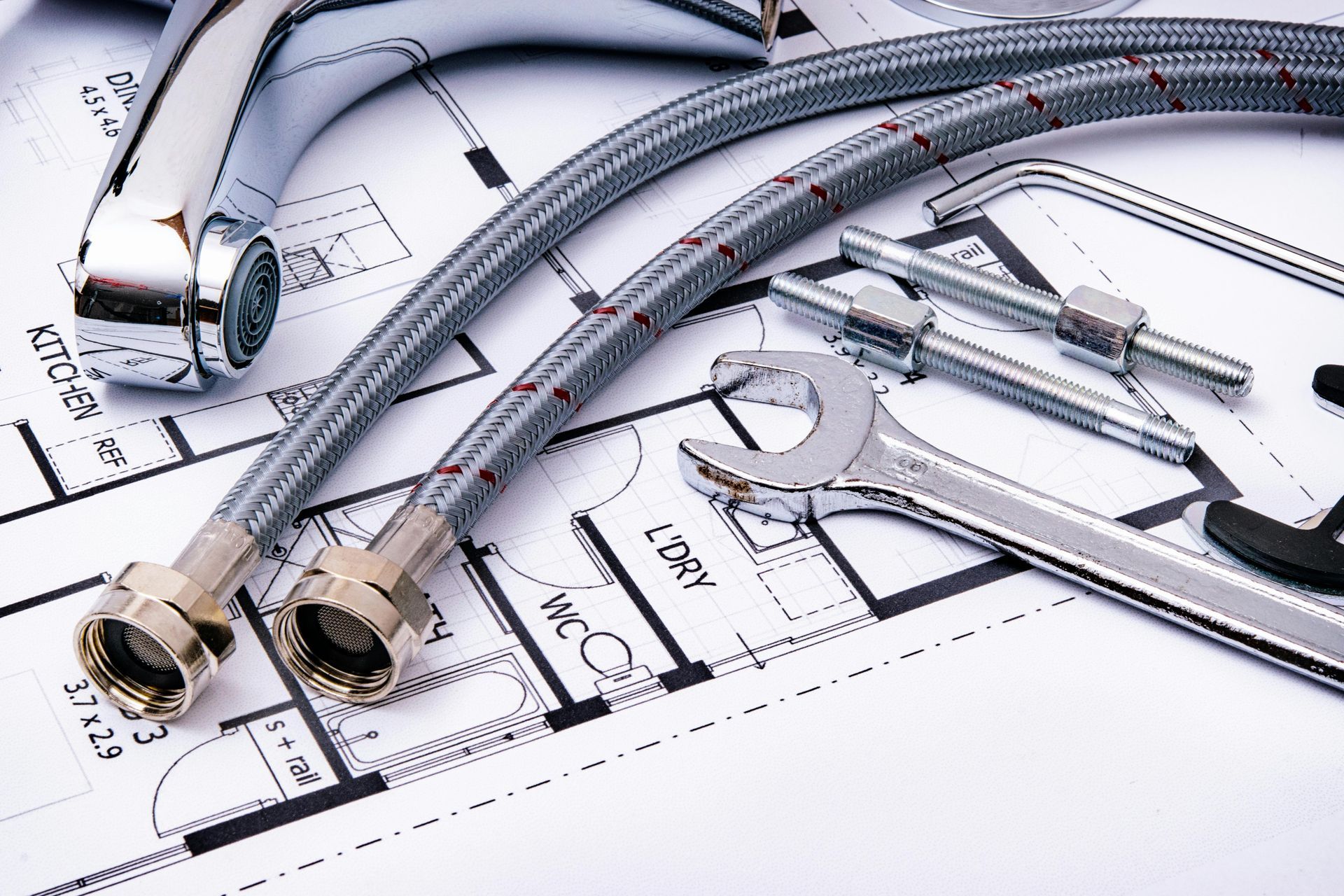
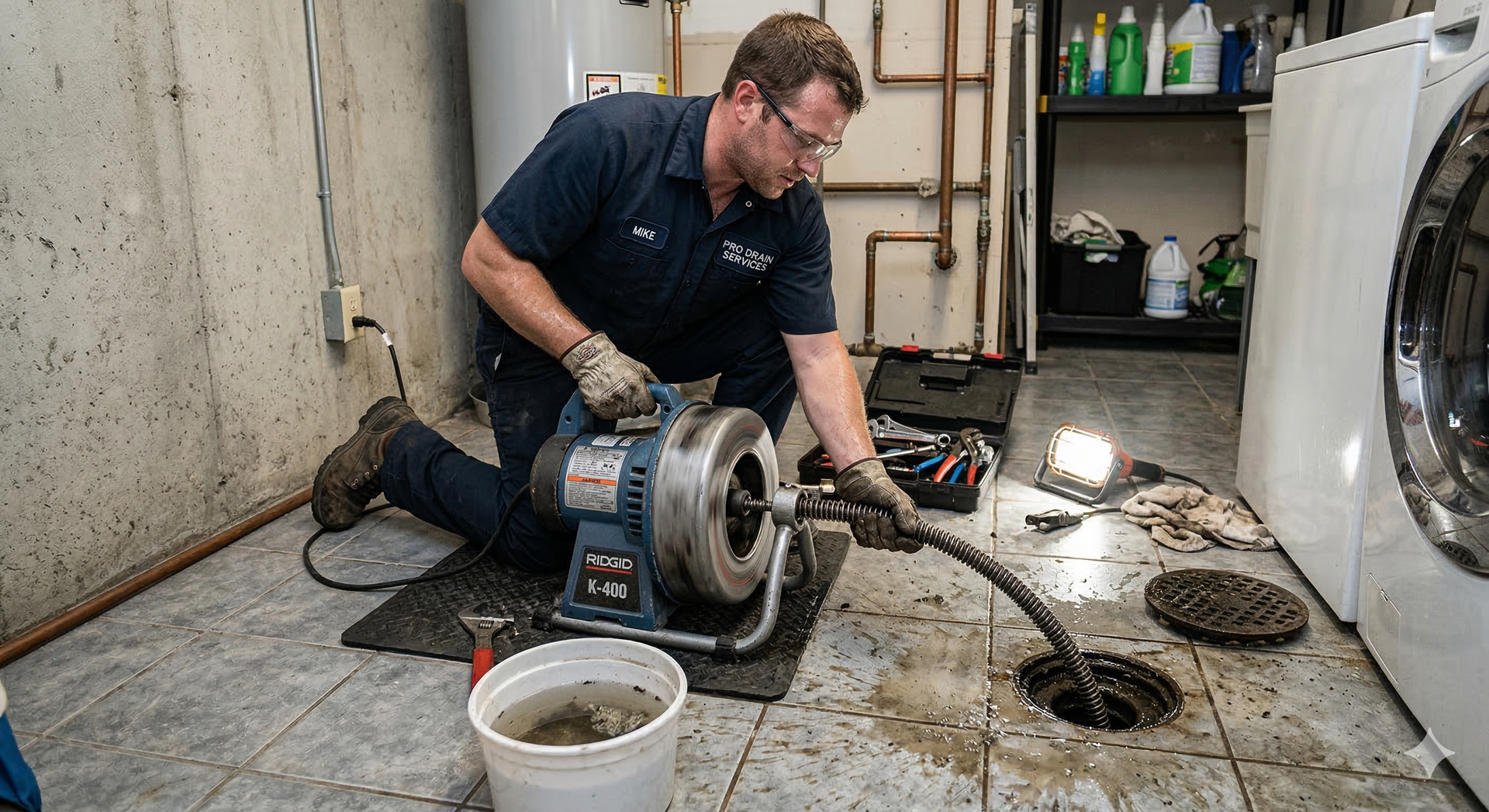
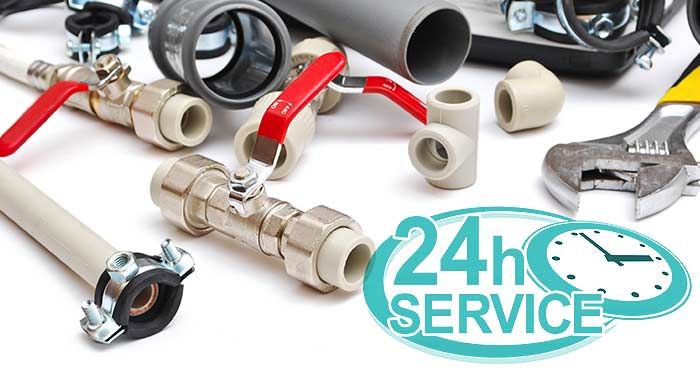
A well-rounded emergency kit for water heaters includes a basin wrench for tight fittings, adjustable pliers for hoses, and a multi-bit screwdriver set for panel access. Add Teflon tape, pipe dope, and a bucket for catching drips, plus a voltage tester to safely handle electric models. Compact pressure gauges and flashlight with magnetic base round out basics, fitting neatly in a portable case near the unit.
Prioritize quality over quantity; durable tools withstand repeated use. All City Plumbers advises keeping this kit accessible, as water heaters often fail during peak demand, demanding immediate action.
Navigating the Repair Process
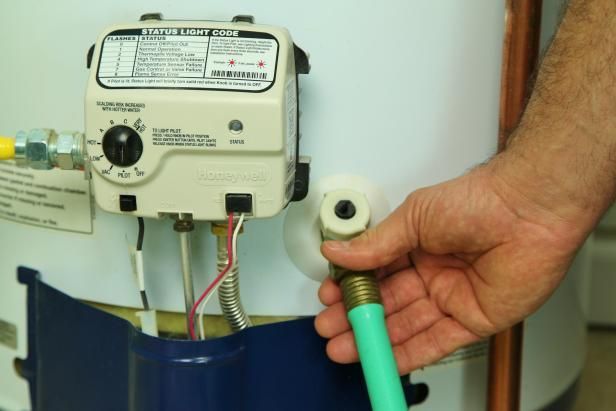
The repair process begins with tool deployment: use the shutoff key to isolate the water supply, then drain residual water via the hose bib with a garden hose routed outdoors. For element failures in electric units, the voltage tester confirms power-off before swapping with a socket wrench. Gas models require flare nut wrenches to adjust burners safely.
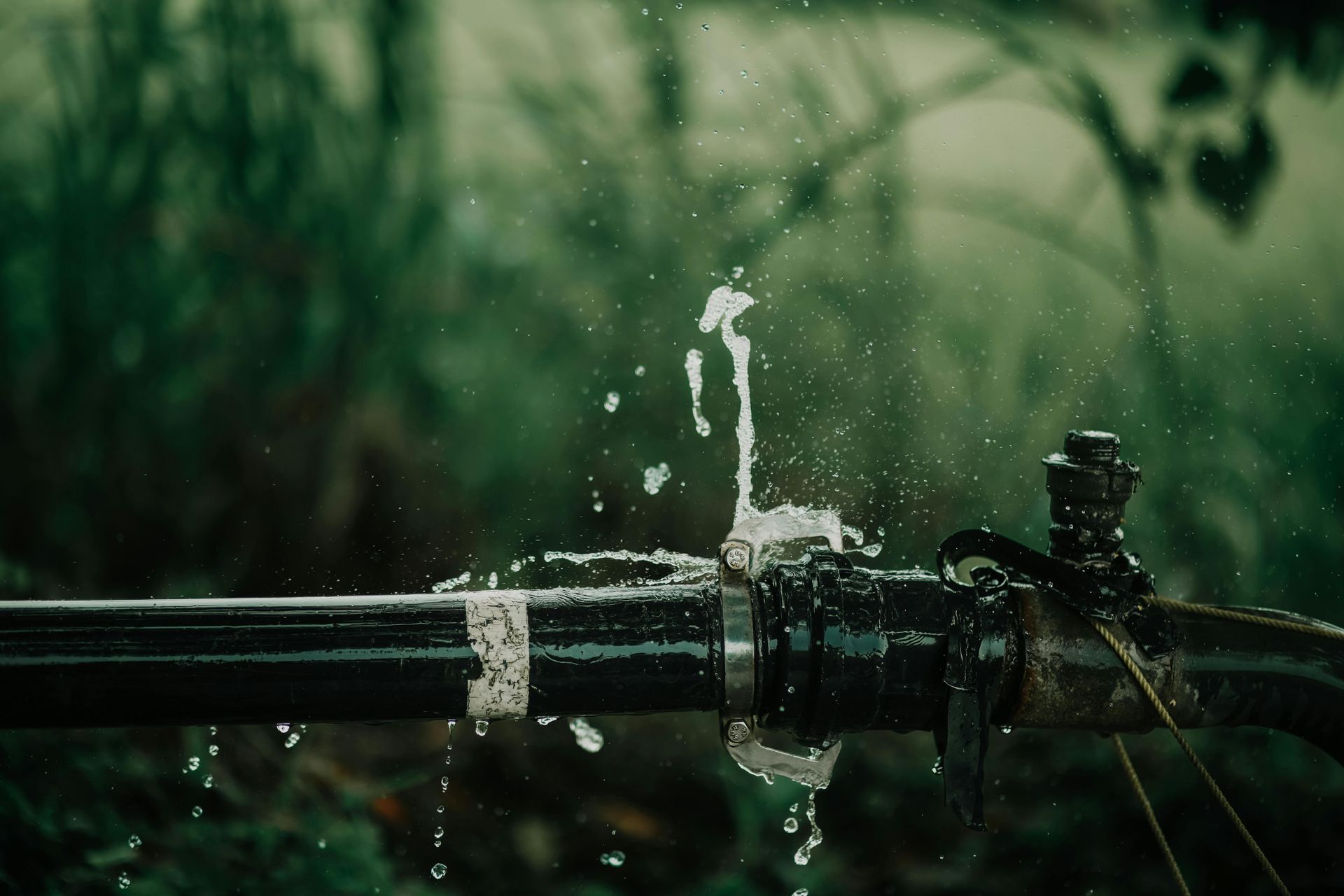
Reassembly involves torqueing connections evenly and testing under low pressure. Emergency services for a burst waterline and tools used mirror this sequence, highlighting the value of practiced handling to avert escalation.
Mastering Leak Isolation Techniques
Leak isolation relies on targeted tools to trace and contain water heaters' common failure points. A moisture meter scans floors and walls for hidden seepage, while acoustic detectors amplify trickles from valves or tanks. Flexible inspection cameras snake into dip tubes or anode ports, revealing internal corrosion without disassembly.
Mark findings with painter's tape and apply temporary clamps. This precision prevents widespread damage, buying critical time.
Practical Patching Methods
Patching methods shine in emergencies, using rubber repair sleeves and stainless clamps to girdle split tanks or pipes. Epoxy putty fills pinholes around fittings, curing underwater for instant seals. For anode rod leaks, thread sealants reinforce entries post-replacement.
These interventions stabilize plumbing tools in action, restoring partial function rapidly. Professionals layer them with inspections for lasting fixes.
Implementing Long-Term Maintenance
Long-term maintenance demands tools like sediment flush kits and calcium removers, used biannually to purge buildup in water heaters. Torque wrenches ensure valve tightness, while digital thermometers calibrate settings to 120 degrees Fahrenheit, curbing scald risks and efficiency loss.
Track maintenance logs and test relief valves quarterly with gauge attachments. These routines, supported by core tools, forestall emergencies altogether.
Conclusion
Equipping yourself with key tools for water heater emergencies equips you to handle repairs, isolate leaks, apply patches, and uphold maintenance effectively. Plumbing tools bridge the gap between crisis and resolution, fostering confidence in managing these indispensable systems.
By maintaining this readiness, homeowners safeguard against disruptions, prolonging water heaters' service while cutting professional callout needs. Proactive tool stocking embodies smart home stewardship for uninterrupted comfort.