Common Causes of Discolored Water and How to Fix Them
Discolored water is an immediate red flag for homeowners and property managers. It can range from mildly tinted to heavily stained, and causes vary from benign sediment disturbance to serious pipe corrosion or sewage contamination. Understanding common sources of discoloration and how to address them—through repair, leak isolation, patching, and long-term maintenance—helps restore safe water delivery and prevents recurring issues. This article outlines the typical causes of colored water and provides practical, professional guidance for diagnosing and fixing the problem.
Rust and corroded pipes
One of the most frequent causes of brown, yellow, or reddish water is rust from corroding iron pipes or galvanized fittings. Over time, iron and steel oxidize inside the distribution system, releasing fine rust particles into the flow. Correcting this requires identifying the affected piping section and replacing it with corrosion-resistant materials such as copper, PEX, or stainless steel. Start by isolating the section: shut off the main valve and open nearby taps to relieve pressure and drain the line. Remove visible corroded fittings and cut out any compromised pipe using appropriate cutters or a reciprocating saw for older metal pipes. Prepare replacement sections, ensuring clean, square cuts and properly fitted joints with soldered connections, compression fittings, or crimped PEX as appropriate. After replacing the segment, slowly restore pressure and flush the line thoroughly until water runs clear. If the corrosion is widespread in older plumbing systems, a phased replacement plan can prevent repeated flushing and disruption.
Sediment and mineral buildup
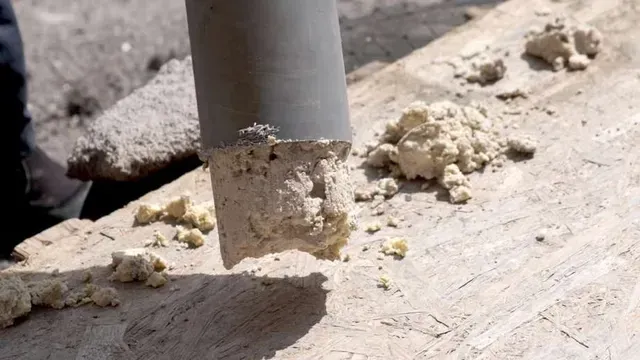
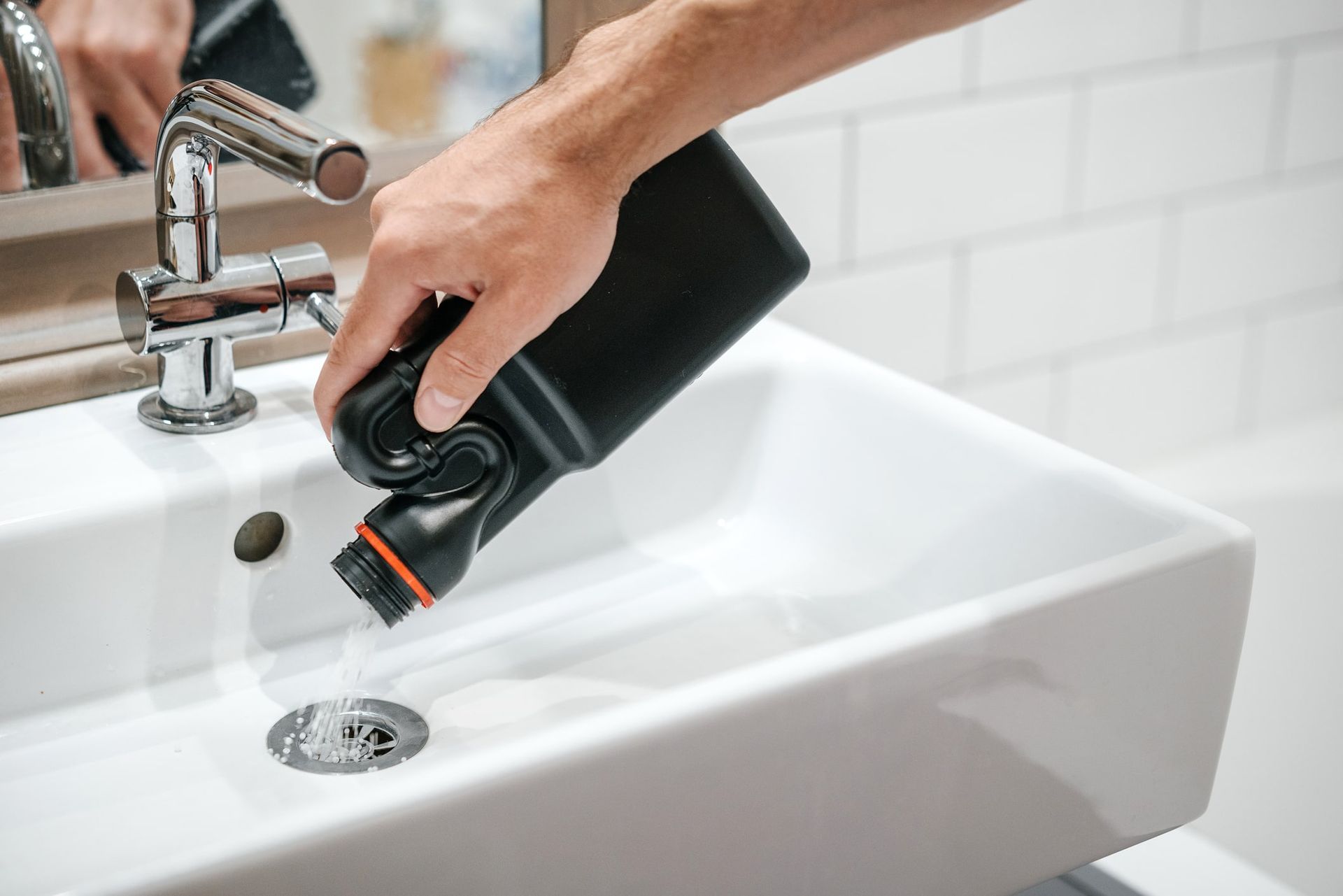
Sediment from a municipal main or mineral deposits from hard water can cause cloudy or off-colored water, particularly after pipe work or changes in pressure. The repair approach depends on the source. If sediment is in the property’s service line, isolate the supply by closing the main and using an inline valve to section off affected portions. Remove and clean strainers and screens at fixtures; these often capture sand and sediment. For mineral scaling, mechanical descaling or chemical treatments can be deployed. Descaling with specially designed brushes and scale removers for large-diameter service lines should be performed by a qualified technician, while homeowners can install whole-house water softeners or filtration systems to address the root cause. After any cleaning or repairs, perform successive flushes from the lowest to the highest fixtures to purge residual particulates.
Sewer contamination and cross-connections
Black or foul-smelling water indicates possible contamination from sewage or a cross-connection between potable and nonpotable lines. This is a serious health issue that requires immediate action. Begin by shutting off the water supply to affected zones and avoid using fixtures until the source is identified. A licensed plumber should perform a dye test and camera inspection to determine if a failed backflow preventer, cracked sewer line, or illegal cross-connection is present. Repair typically involves replacing the defective backflow device, correcting improper plumbing ties, or excavating and repairing the sewer lateral. In some neighborhoods, engaging certified specialists is necessary to ensure compliance with local codes. Prompt remediation not only protects occupants but also aligns with professional services such as All City Plumbers that offer emergency response and cross-connection control expertise.
Pressure changes and municipal work
Occasional discoloration follows municipal water main repairs, hydrant flushing, or sudden pressure changes that disturb sediments in the distribution system. This often resolves after thorough flushing, but property-level action can speed recovery and prevent fixture staining. Begin by running cold water taps at full flow, starting at the lowest elevation and moving upward, until clarity returns. If only hot water is discolored, the water heater may need draining and flushing to remove accumulated rust or sediment. Use a garden hose to drain the tank until it runs clear, and inspect the sacrificial anode rod for deterioration. If discoloration persists after flushing, contact the water utility to confirm whether the issue is on the mains; coordinated communication can prevent unnecessary replacements and provide guidance on safe flushing procedures.
Leak isolation and temporary patching
When discoloration accompanies visible leaks, swift isolation limits water loss and further contamination. Locate the nearest shutoff valve to cut supply to the affected area, and if the leak is on the service line, close the main shutoff. For temporary patching of small pinhole leaks or hairline cracks, use a rubber repair sleeve or an epoxy-based putty rated for potable water repairs. Clean and dry the pipe surface as much as possible, apply the patch material according to manufacturer instructions, and monitor the repair until permanent replacement can be scheduled. For compromised joints, compression repair couplings or mechanical repair clamps provide robust interim fixes. Permanent correction typically requires cutting out the damaged section and installing a new, properly joined length of pipe. Always test patched repairs under pressure before declaring the system sound.
Tree roots and sewer line intrusion
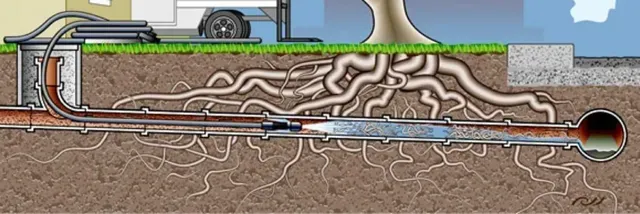
Tree roots invade sewer lines seeking moisture, causing blockages that can lead to backflow and discoloration. Identifying root intrusion requires a CCTV inspection of the sewer lateral; the camera reveals root masses, cracks, and collapses. Root cutting with a mechanical auger or hydro-jetting can restore flow, but these are often temporary solutions if root pathways remain. To prevent long-term recurrence, schedule targeted repairs such as pipe bursting, trenchless pipe lining, or replacing broken sections with root-resistant materials. Routine maintenance like periodic drain clearing and installing root barriers around vulnerable lines helps prevent long term sewer line damage from root intrusion and reduces the chance of sewage-related discoloration.
Long-term maintenance and prevention
Sustained water clarity depends on proactive maintenance and appropriate upgrades. Install point-of-entry filtration and sediment traps to protect household fixtures and appliances. Replace aging service lines and internal plumbing that show signs of corrosion before they fail. Coordinate with local utilities during planned system work and adopt valve exercise and hydrant flushing schedules where applicable. Maintain the water heater through routine descaling and anode inspections to prevent hot-water discoloration. For complex issues or persistent discoloration, schedule a professional camera inspection and a written remediation plan, and consult certified providers for any work that affects potable supply integrity.
Conclusion
Discolored water signals a spectrum of issues, from simple sediment disturbance to urgent contamination, and addressing it requires a methodical diagnosis followed by targeted repairs. Effective remediation balances temporary fixes to restore service quickly with durable replacements and preventative upgrades that minimize recurrence and protect water quality over time.
A comprehensive strategy incorporates accurate isolation techniques, the right repair materials and methods, and scheduled maintenance to safeguard the plumbing system. Engaging experienced professionals and leveraging appropriate inspection tools ensures both immediate safety and long-term resilience of the water supply.