How Drain Cleaning Protects Your Home’s Waterline?
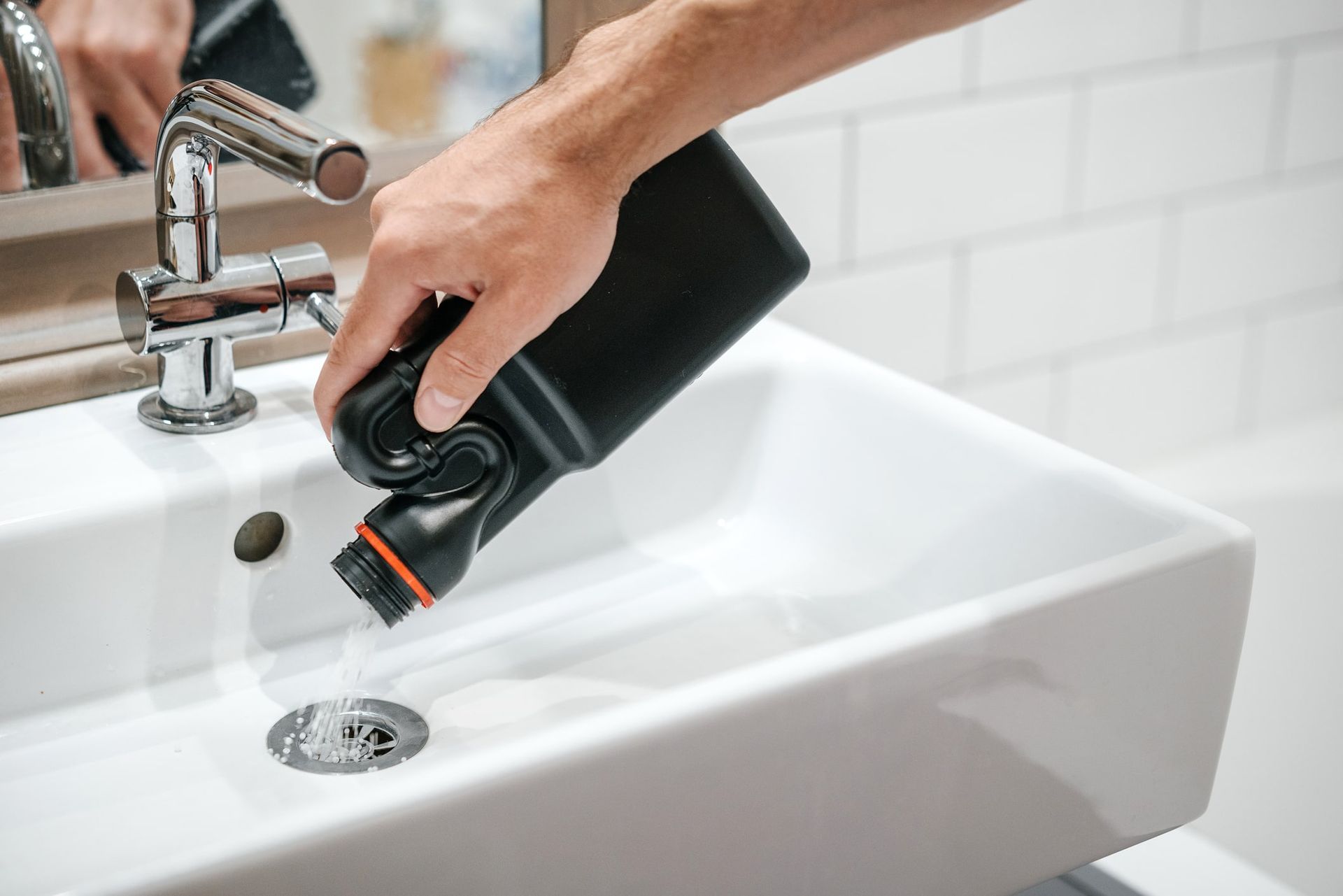
Homeowners often overlook the intricate relationship between their drain systems and the main waterline that supplies fresh water to the entire property. Clogged drains don't just cause backups in sinks or showers; they can lead to pressure buildup and corrosion that infiltrates the waterline, the underground pipe running from the municipal supply to your home. Over time, debris, grease, and mineral deposits from drains migrate or exert undue stress on connected pipes, weakening joints and fostering leaks. Regular drain cleaning acts as a proactive shield, flushing out these culprits before they compromise the waterline's integrity. By maintaining clear pathways, you prevent the gradual degradation that turns minor issues into costly waterline repair and replacement projects.
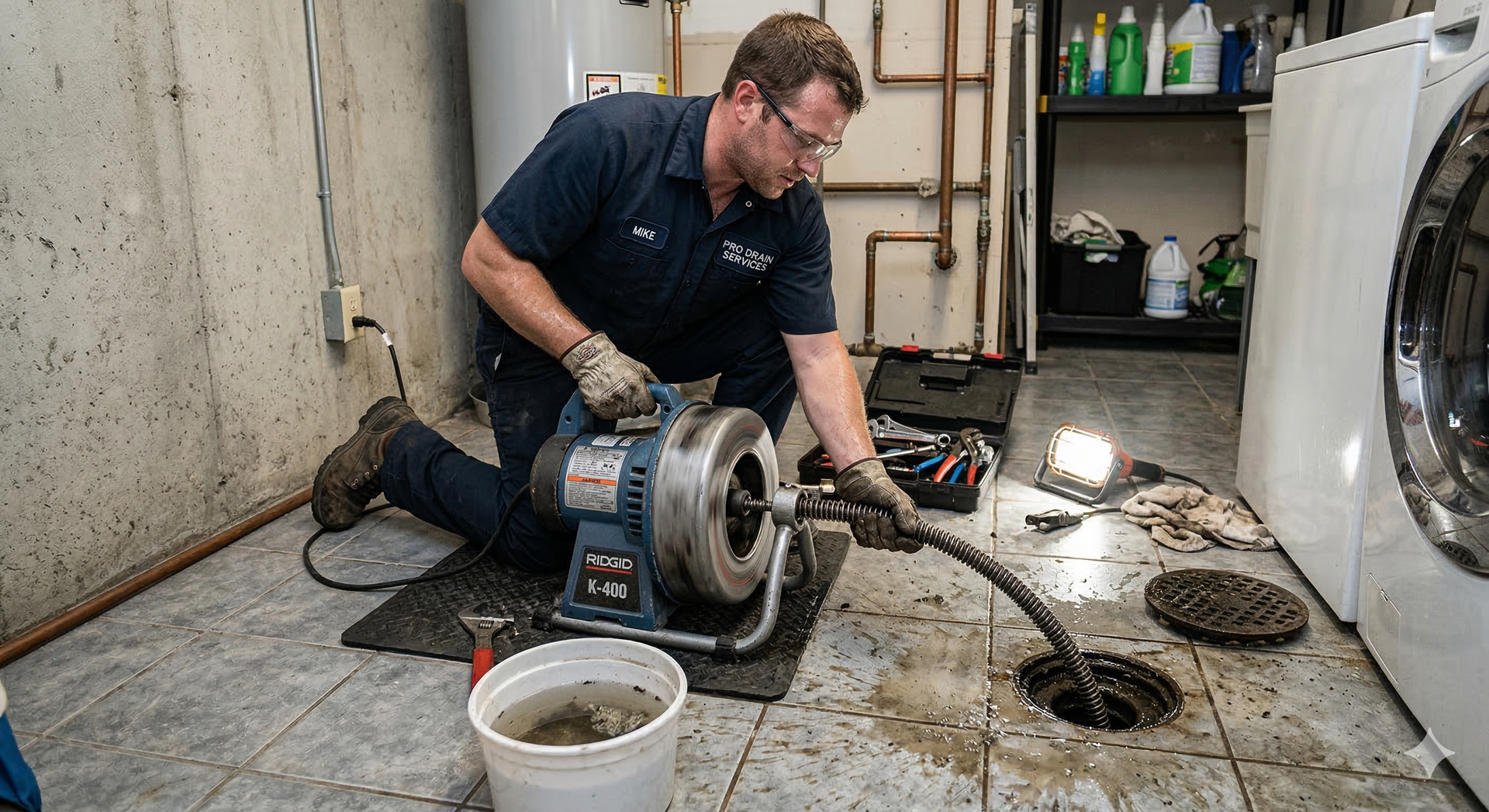
This preventive approach saves not only money but also the disruption of digging up your yard. Professional services employ high-pressure water jets or specialized snakes to scour pipes without harsh chemicals, ensuring the waterline remains insulated from drain-related threats. Understanding this linkage empowers homeowners to prioritize drain maintenance as a cornerstone of whole-home plumbing health.
The Drain Cleaning Repair Process
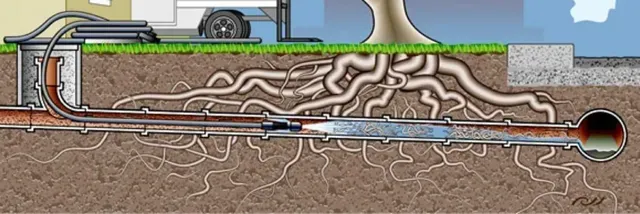
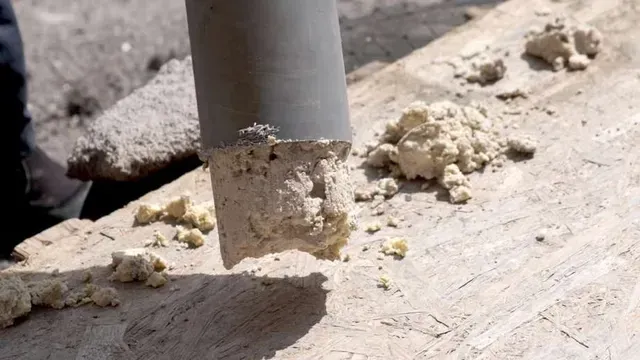
When drain cleaning reveals early signs of waterline distress, the repair process begins with a thorough diagnostic assessment. Technicians start by inserting a high-resolution camera into the drain lines to inspect for blockages, root intrusions, or corrosion extending toward the waterline. This visual survey pinpoints vulnerabilities, such as sediment accumulation that could erode pipe walls over time. Once identified, the cleaning phase uses hydro-jetting equipment, which blasts away obstructions with controlled streams of water at pressures up to 4,000 PSI, restoring flow without damaging surrounding infrastructure.
Following the cleanout, repairs target any immediate damage. For instance, if drain clogs have caused localized pipe fractures near the waterline entry point, epoxy lining is applied—a trenchless method where a resin-soaked liner is inserted and inflated to form a seamless, durable seal. This process cures in hours, effectively rehabilitating the pipe from within and extending its lifespan by decades. All City Plumbers specializes in this integrated approach, combining drain cleaning with precise waterline interventions to address issues at their source.
Isolating Leaks After Cleaning
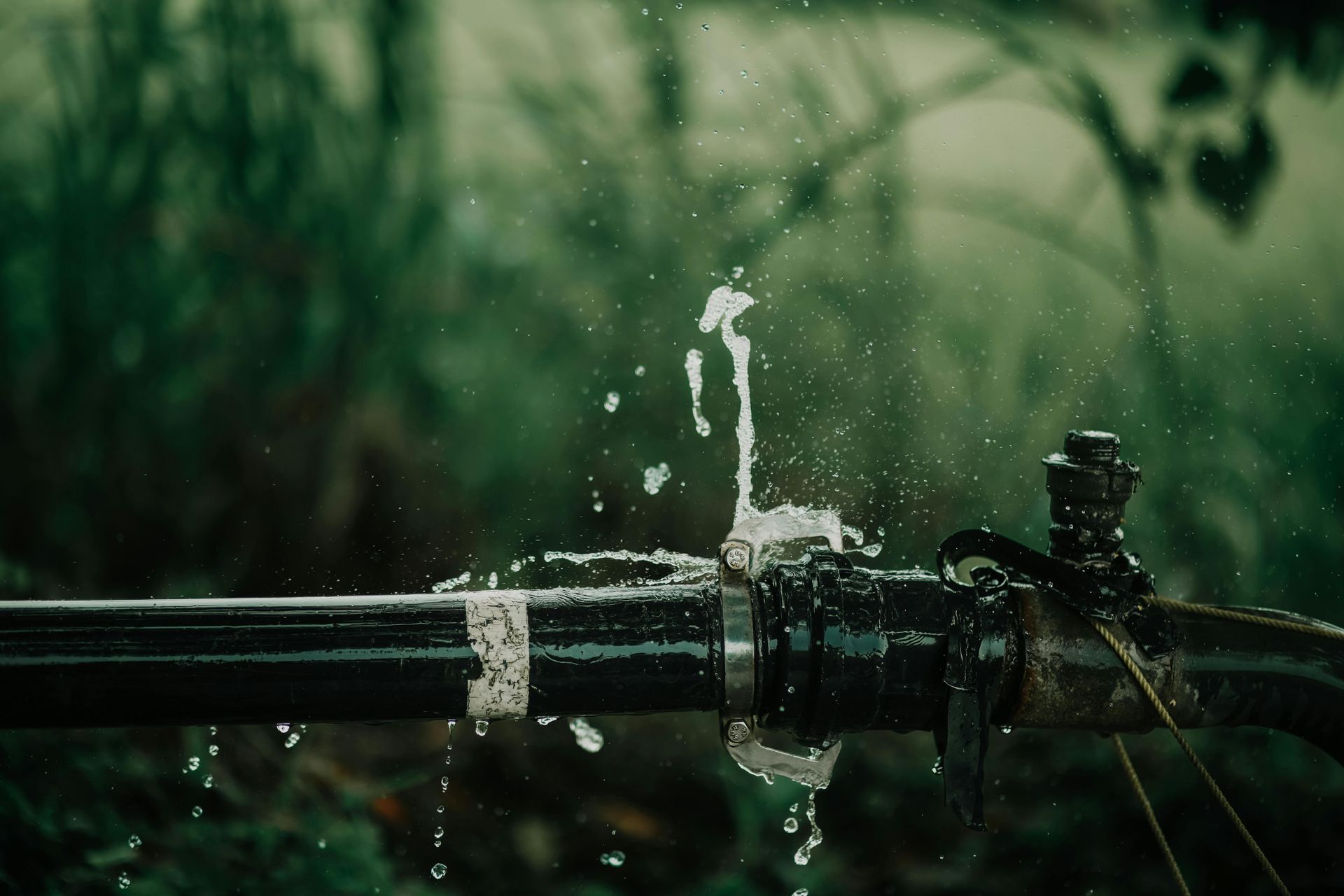
Leak isolation is a critical step post-drain cleaning, as cleared drains often reveal hidden waterline weaknesses that were previously masked by backups. The process employs acoustic detection tools and pressure testing: technicians pressurize the line with air or water while monitoring for drops that indicate breaches. Ground microphones amplify subtle sounds of escaping fluid, allowing pinpoint accuracy even in buried pipes up to 10 feet deep. This non-invasive technique avoids unnecessary excavation, isolating leaks to specific segments—whether at service connections, elbows, or under slabs.
Once isolated, the affected area is marked for targeted action. For waterlines made of older galvanized steel or polybutylene, isolation confirms if corrosion from drain contaminants is the culprit. This methodical isolation keeps emergency repairs from turning into full replacements by limiting the scope to only what's compromised, preserving the rest of the system and minimizing water loss or contamination risks.
Effective Patching Methods for Waterlines
Patching methods have evolved significantly, offering reliable fixes that complement drain cleaning efforts. For minor leaks isolated near drain tie-ins, slip coupling provides a quick, mechanical solution: a flexible sleeve with compression gaskets slides over the damaged section, tightened to create a watertight bond without welding. This method suits pressurized waterlines up to 200 PSI and installs in under an hour, ideal for homes where full exposure isn't feasible.
For more extensive patching, cured-in-place pipe (CIPP) technology shines. After drain cleaning ensures access, a felt liner saturated with thermosetting resin is pulled into place via inversion, then heated with steam or hot water to harden into a structural pipe-within-a-pipe. This seamless patch withstands soil shifts and root pressure, often warrantied for 50 years. These techniques not only seal leaks but reinforce the waterline against future drain-related stresses, promoting longevity without the mess of traditional digs.
Long-Term Maintenance Strategies
Sustaining the benefits of drain cleaning requires a consistent long-term maintenance regimen focused on the waterline. Schedule bi-annual professional cleanings to preempt buildup, supplemented by monthly homeowner flushes using enzyme-based cleaners that break down organic matter without harsh acids. Install backflow preventers at drain-waterline junctions to block contaminant migration, and consider water softeners if hard minerals are prevalent in your area, as they reduce scale that accelerates wear.
Monitoring plays a pivotal role: attach inline leak detectors that alert via app to pressure anomalies, enabling swift intervention. Pair this with annual pressure tests and camera inspections to catch micro-issues early. Homeowners can further protect their investment by directing downspouts away from the waterline path and avoiding chemical drain cleaners that corrode pipes. These habits transform one-time fixes into enduring protection, ensuring your home's water supply remains reliable for generations.
Conclusion
In summary, drain cleaning stands as a vital first line of defense for your home's waterline, intercepting problems before they escalate into disruptive failures. By integrating thorough repair processes, precise leak isolation, advanced patching, and diligent maintenance, homeowners can safeguard their plumbing infrastructure effectively. Services from experts like All City Plumbers ensure these steps are executed with precision, turning potential crises into manageable routines.
Ultimately, proactive care through drain cleaning keeps emergency repairs from turning into full replacements, preserving your property's value and your peace of mind. Embrace these strategies today, and enjoy a resilient waterline that supports your home's daily needs without interruption.