What To Do When A Water Heater Leaks Near The Line?
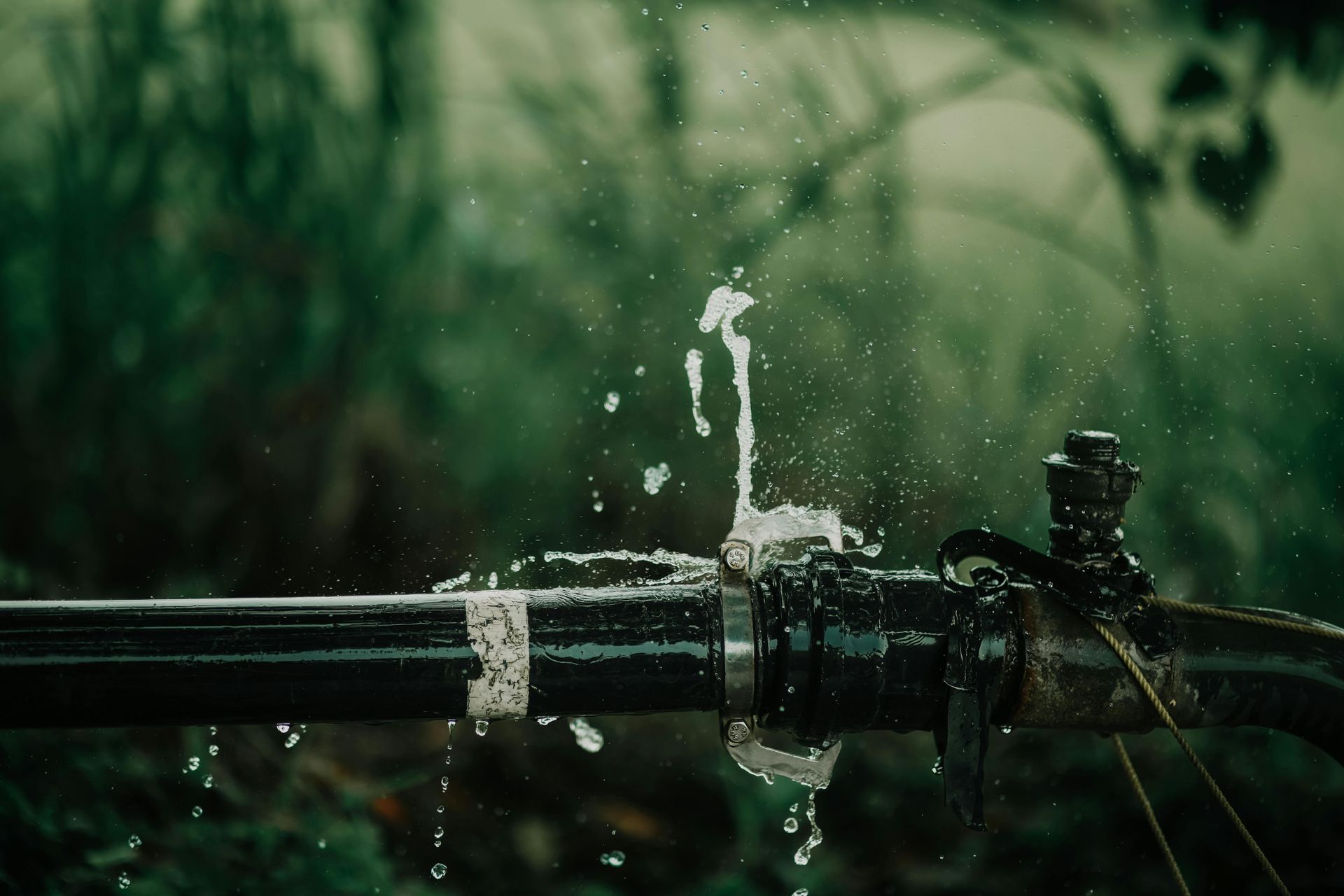
A leaking water heater near the supply or drain line demands immediate attention to prevent widespread damage. These leaks often stem from corroded fittings, loose connections, or pressure imbalances where the heater interfaces with incoming cold water or outgoing hot lines. Water heaters endure constant thermal cycling and sediment buildup, which weakens joints over time, leading to drips that escalate into floods if ignored. The first step is to shut off the water supply valve and power source, isolating the unit to assess the leak's proximity to the lines—typically at the inlet/outlet pipes or pressure relief valve.
Recognizing symptoms like puddles under the unit, discolored water, or unusual noises helps prioritize action. This initial response minimizes water waste and mold risks, setting the stage for systematic repair.
The Repair Process Step by Step
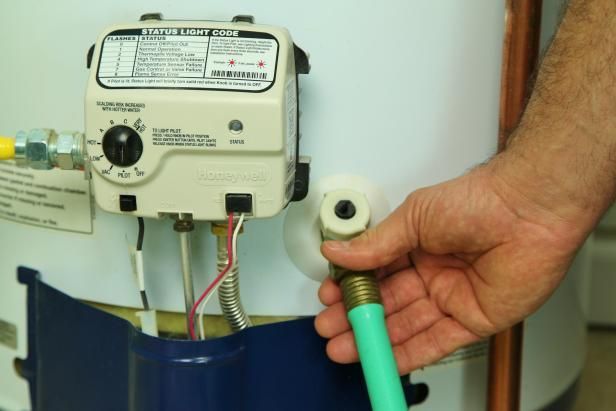
The repair process for a water heater leak near the line begins with draining the tank completely to eliminate pressure. Technicians attach a garden hose to the drain valve, routing it to a safe exterior location, and open nearby faucets to vent air. Once empty, they disassemble the affected connection, cleaning threads and inspecting for pitting or cracks exacerbated by mineral deposits.
Replacement parts, such as dielectric unions or flexible connectors, are installed with thread sealant and torque wrenches for secure, leak-proof fits. For tank models, anode rods are often swapped to combat internal corrosion feeding line leaks. All City Plumbers excels in this sequence, ensuring compliance with local codes while restoring functionality swiftly.
Isolating the Leak Source
Leak isolation requires precision to differentiate between tank seepage and line-specific issues. Pressure testing follows draining: the system is repressurized gradually while soapy water is applied to joints; bubbles reveal the exact breach. Thermal imaging cameras detect temperature variances along pipes, confirming if the leak originates at the dip tube, T&P valve, or line elbow.
Advanced tools like ultrasonic detectors pinpoint pinholes in copper or PEX lines without disassembly. This isolation prevents misdiagnosis, focusing efforts on root causes like galvanic corrosion where dissimilar metals meet. Accurate isolation ensures repairs target vulnerabilities effectively.
Patching Methods for Line Leaks
Effective patching methods vary by leak severity and material. For small perforations in copper lines near the heater, sharkbite push-fit couplings offer a no-solder solution: cut out the damaged section, slide on the fittings, and connect seamlessly for instant pressure holding.
Epoxy putty provides temporary patches for emergencies, molded around the leak and curing underwater to stem flow until full repair. For recurring issues, sleeving with heat-shrink tape reinforces weakened areas post-cleaning. These methods suit water heaters under high demand, buying time without full disassembly.
Long-Term Maintenance for Prevention
Long-term maintenance extends water heater life and averts line leaks. Flush the tank annually to remove sediment, using a pump to cycle vinegar solutions through lines. Inspect sacrificial anodes every six months, replacing if more than 50% depleted, as they protect against acidic corrosion migrating to connections.
Upgrade to expansion tanks to manage thermal expansion, reducing stress on lines. Monitor temperature settings at 120°F to balance efficiency and safety. These practices, combined with water softeners in hard-water areas, fortify the system holistically.
Conclusion
Addressing a water heater leak near the line promptly through structured repair, isolation, patching, and maintenance safeguards your home from escalation. Professional intervention, as provided by All City Plumbers, ensures water heaters operate reliably without compromising connected lines.
Proactive steps keep emergency repairs from turning into full replacements, preserving efficiency and avoiding disruptions. Implement these strategies to maintain a robust hot water system for years to come.