How To Choose The Right Faucet For Your Home?
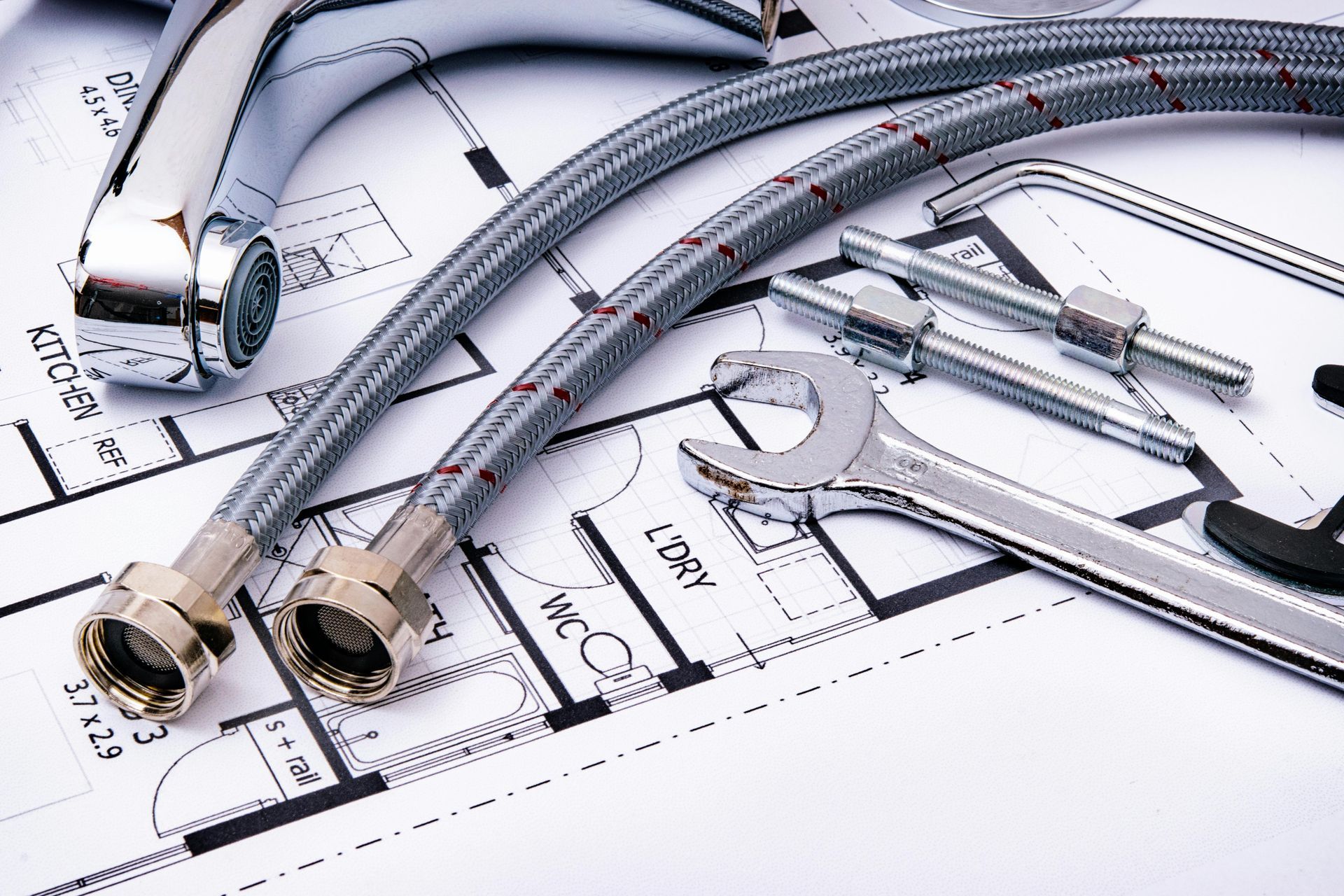
Choosing the right faucet for your home is an essential part of ensuring both functionality and style in your kitchen or bathroom. Faucets are used daily, so selecting one that combines durability, convenience, and an appealing design will enhance your overall experience and add to your home’s value. This article guides you through the process of selecting the perfect faucet, covering various types, mechanical features, styles, and practical considerations to help you make an informed decision.
Understanding Faucet Types and Mechanisms
Faucets come in several types based on how they control water flow and temperature. Broadly, there are single-handle faucets, double-handle faucets, pull-out and pull-down faucets, touchless faucets, and wall-mounted faucets. Each type serves different needs.
Single-handle faucets are popular for their ease of use and space efficiency. They operate with one lever that controls both temperature and flow, making them ideal for smaller sinks and quick adjustments. Double-handle faucets, with separate hot and cold water controls, offer precise temperature control and often suit traditional or vintage décor styles. Pull-out and pull-down faucets feature a detachable spout head on a flexible hose, which adds versatility for kitchen tasks like rinsing dishes or filling pots. Touchless faucets enhance hygiene and water conservation by using sensors to operate without physical contact; this feature is particularly beneficial in busy households. Wall-mounted faucets are mounted on the wall above the sink, freeing up counter space and lending a modern look. It is important to make sure your plumbing setup supports this option before choosing it.
Inside the faucet, the mechanical valve type plays an important role in durability and ease of maintenance. Common valve types include cartridge, ceramic disc, ball, and compression valves. Cartridge faucets are smooth to operate and generally durable, requiring less maintenance. Ceramic disc faucets, with their advanced mechanism, are considered among the most long-lasting and resistant to leaks. Ball valve faucets are an affordable choice but may require frequent repairs, while compression valve faucets use an older technology that is more prone to leakage. Understanding these mechanisms will help you choose a faucet that lasts and is easier to maintain.
Matching Faucets to Your Home’s Needs
When selecting a faucet, consider the location where it will be installed and how you use that space daily. Kitchen faucets benefit from selections that accommodate large pots and multiple uses—pull-down or high-arc faucets often provide the flexibility needed for such tasks. Bathrooms may prioritize compact design and aesthetic appeal, making single-handle or wall-mounted faucets popular options.
Additionally, consider the number of mounting holes in your sink or countertop, as this affects compatibility. Single-hole faucets typically fit most modern sinks, while double-handle and widespread faucets require three or more holes. Installation complexity and the possibility of modifications should be factored into your choice.
Water efficiency and sustainability are further considerations. Many modern faucets come with features like aerators, which reduce water flow without compromising performance, helping to save water and reduce utility bills. Touchless faucets also contribute to this goal by cutting down unnecessary water use.
Style and Finish
Choosing the right faucet for your home also involves matching it to your interior style. Finishes like chrome, brushed nickel, oil-rubbed bronze, and matte black can dramatically influence the look of your kitchen or bathroom. Chrome and brushed nickel offer a sleek, modern appearance and are easy to clean. Oil-rubbed bronze and matte finishes provide a warmer, more classic or rustic vibe.
Make sure the finish you pick complements your fixtures and hardware for a cohesive design. Quality finishes are also more resistant to corrosion and wear, which is important to maintain the faucet’s appearance over time.
Professional Installation and Maintenance Tips
To get the best from your faucet, professional installation is often recommended, particularly for wall-mounted models or those requiring adjustments to your plumbing. Improper installation can lead to leaks or damages.
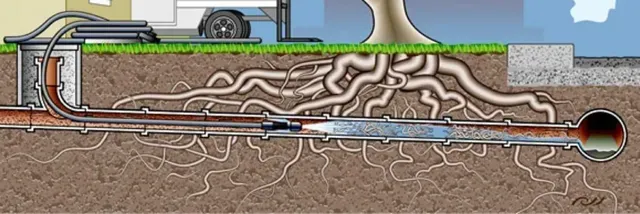
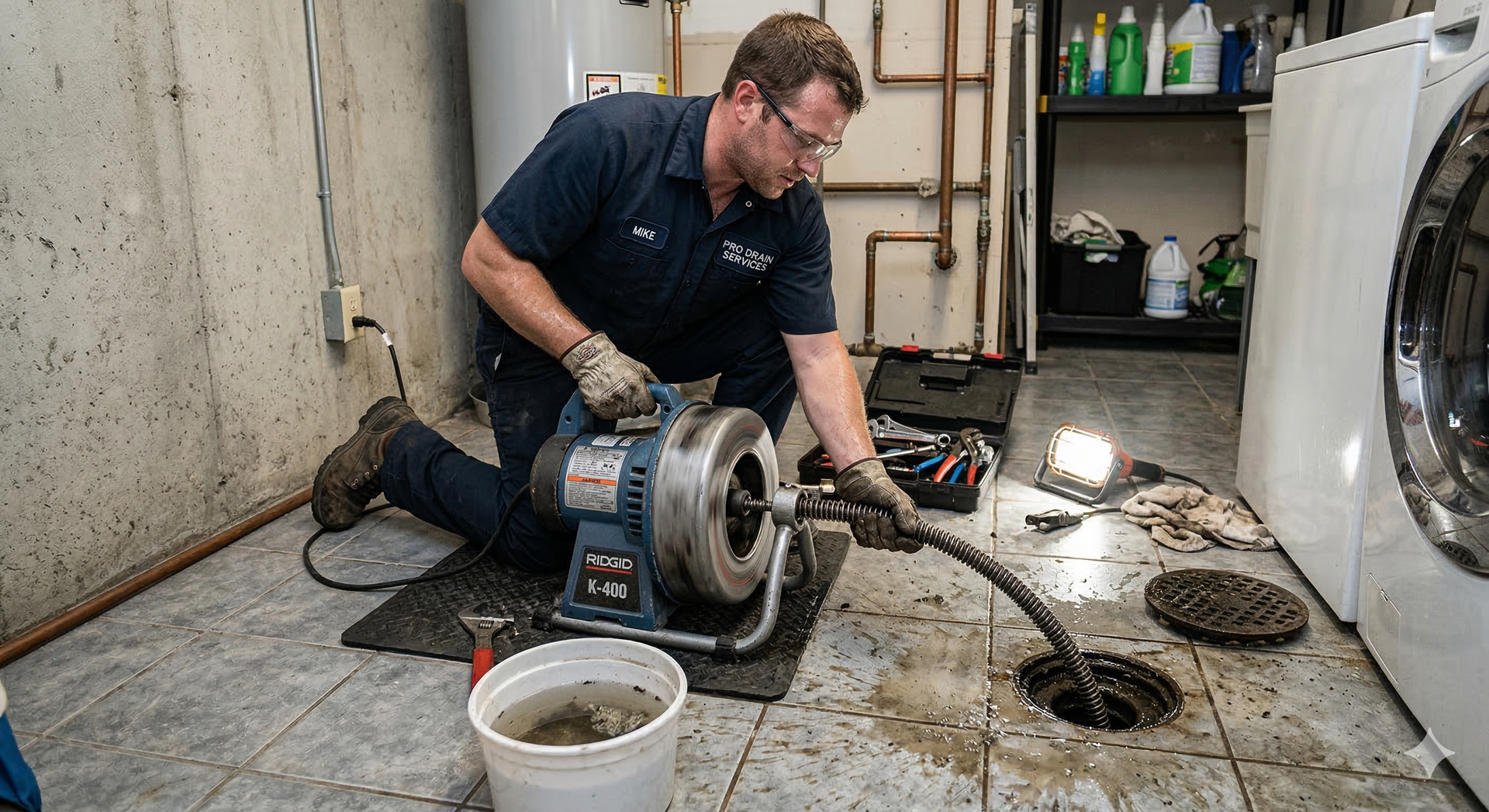
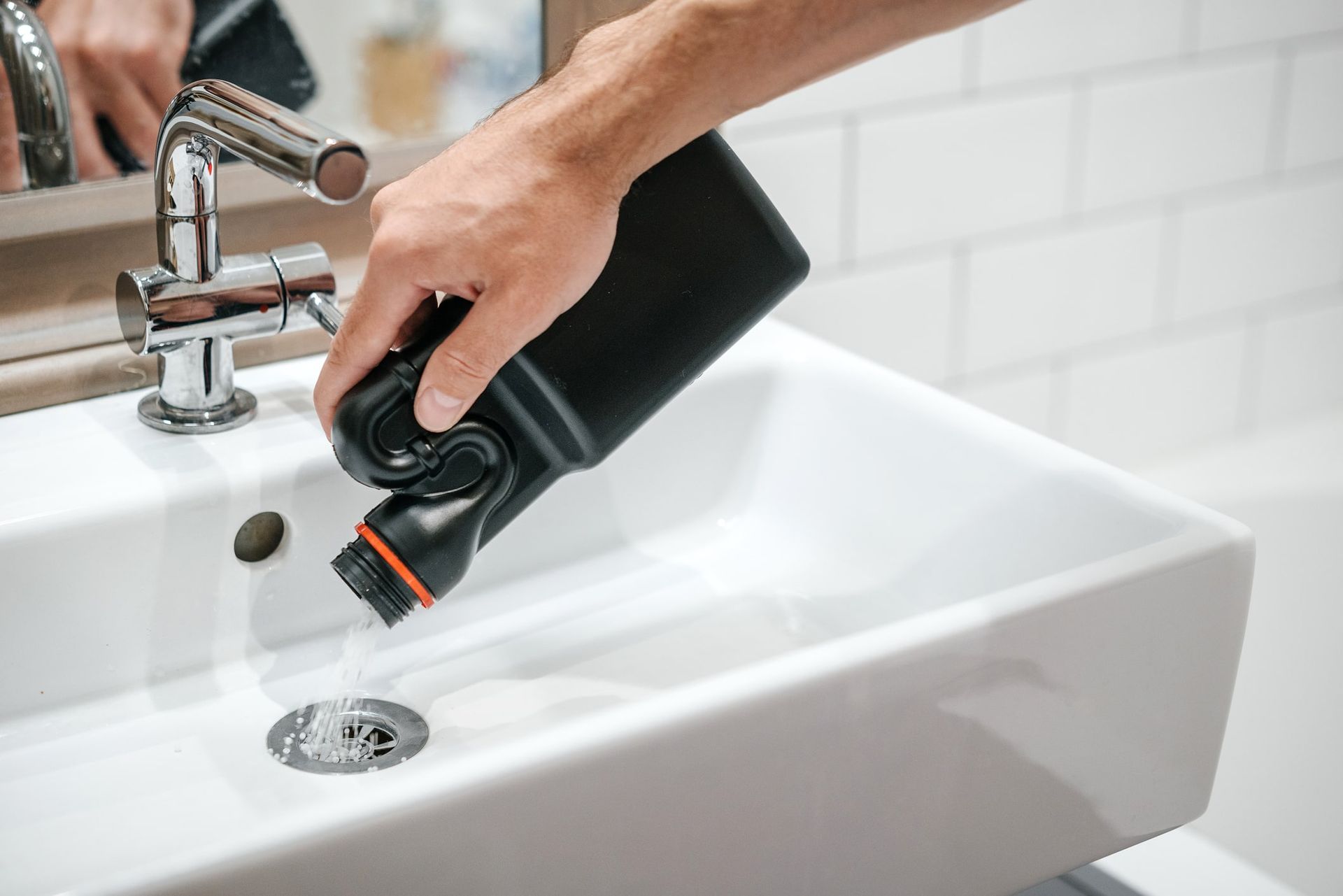
Routine maintenance, such as cleaning aerators and preventing mineral buildup, extends faucet life. If you encounter persistent issues like clogged drains related to your plumbing, it may be time to call experts. Companies like All City Plumbers specialize not only in faucet installation but also in services like sewer line replacement, helping you maintain an efficient and clog-free home. With their help, you can say goodbye to stubborn clogs and enjoy smooth water flow consistently.
Conclusion
Choosing the right faucet for your home involves understanding your needs, the types and mechanisms available, style preferences, and practical installation considerations. Whether you prefer the convenience of a single handle, the elegance of a double handle, or the modern functionality of touchless faucets, each option brings unique benefits. Paying attention to valve types, water efficiency, and matching finishes ensures you select a faucet that blends functionality with beauty and lasts for years. When in doubt, consulting professionals like All City Plumbers for installation and maintenance can save you time and avoid costly repairs, keeping your home’s plumbing system running smoothly.
This detailed guide should empower you to make an informed decision on the best faucet for your home, balancing performance, style, and longevity.