How to Clean Gutters and Clogged Roof Drains
Maintaining clean gutters and ensuring clear roof drains are essential tasks for every homeowner or property manager. Clogged gutters and roof drains not only compromise the structural integrity of a building but also pose risks of water damage and costly repairs if left unchecked. Recognizing the signs of clogs early and knowing effective cleaning methods can prevent these issues and extend the lifespan of your roofing system. This guide provides practical insights and step-by-step instructions to help you keep your gutters and roof drains free-flowing and your property protected.
Call All City Plumbers if you need help with Clogged Drains!
Signs of Clogged Gutters and Roof Drains
- Water ponding on roof
- Overflowing gutters
- Water stains on walls or ceilings
- Dripping sounds during rainfall
Common Causes of Clogged Gutters and Roof Drains
Keeping gutters and roof drains free from obstructions is crucial for preventing water damage to your property. Understanding the common causes of clogs can help you take proactive measures to maintain optimal drainage. Here are some primary culprits:
- Leaves and Debris: Fallen leaves, twigs, and branches accumulate on roofs and can easily find their way into gutters and roof drains, impeding water flow.
- Bird Nests and Wildlife: Birds often nest in gutters and roof drains, especially during nesting seasons, leading to blockages and water backup.
- Dirt and Sediment: Wind-blown dirt, sand, and sediment can accumulate in gutters and roof drains, forming solid barriers that prevent water from draining properly.
- Algae and Moss: These organisms thrive in damp environments and can grow inside gutters and roof drains, causing blockages and reducing water flow.
- Ice and Snow: In colder climates, ice dams and frozen debris can block gutters and roof drains, particularly during winter months.
- Improper Slope or Installation: Incorrect gutter slope or improperly installed roof drains can cause water to pool and stagnate, leading to clogs over time.
How to Clean Gutters: Methods and Techniques
Maintaining clean gutters is crucial for preventing water damage and maintaining the integrity of your home's exterior. Here are effective methods and techniques to keep your gutters clear:
1. Using a Garden Hose with a Gutter Attachment
Using a garden hose equipped with a gutter cleaning wand is a straightforward method for cleaning gutters. Start near the downspout and work backward, directing a steady stream of water through the gutters to flush out debris. Adjust the water pressure as needed, and use a high-pressure nozzle to dislodge stubborn leaves and dirt.
2. Using a Gutter Cleaning Kit with a Wet/Dry Vacuum
For those preferring to stay off ladders, a gutter cleaning kit with a wet/dry vacuum attachment is ideal. These attachments extend your reach, allowing you to clean gutters from the safety of the ground. Start at the downspout and work along the gutter length, using the vacuum to suck up debris. Follow up with a hose to rinse out any remaining dirt and ensure proper drainage.
3. Using a Leaf Blower
A leaf blower with a narrow nozzle attachment can effectively blow leaves and debris out of gutters. Position yourself safely on a ladder and blow debris toward the downspout, avoiding blowing debris back onto the roof. This method is quick and efficient for clearing light to moderate debris from gutters.
4. Manual Cleaning with a Trowel and Bucket
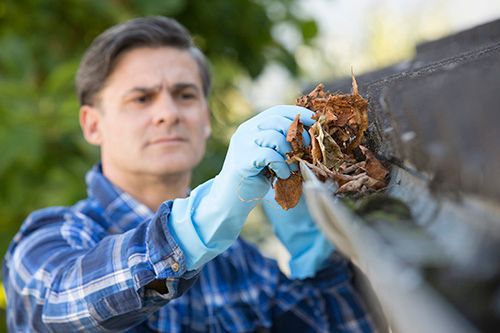
For smaller jobs or where debris is not extensive, manually scoop out leaves and dirt using a trowel and bucket. Start at one end of the gutter and work methodically toward the downspout, collecting debris in the bucket. Dispose of collected debris properly to prevent it from clogging the downspout or gutter system again.
5. Using a Power Washer
Power washers are effective for blasting away stubborn clogs and dirt buildup in gutters. Position your ladder securely and aim the nozzle down the gutter, using moderate pressure to avoid damaging the gutter system. Direct the water flow toward the downspout to clear out debris effectively. Exercise caution and wear protective gear when using a power washer.
How to Unclog a Roof Drain: Methods and Techniques
A clogged roof drain can lead to significant water damage if not addressed promptly. Here are effective methods and techniques to clear roof drains:
1. Manual Removal of Debris:
Start by safely accessing the roof using a sturdy ladder and appropriate safety gear. Inspect the roof drain and surrounding area for visible debris such as leaves, twigs, or dirt. Use a scoop, trowel, or gloved hands to manually remove the debris from the drain opening. Ensure thorough cleaning to allow water to flow freely through the drain.
2. Using a Plumbing Snake or Auger:
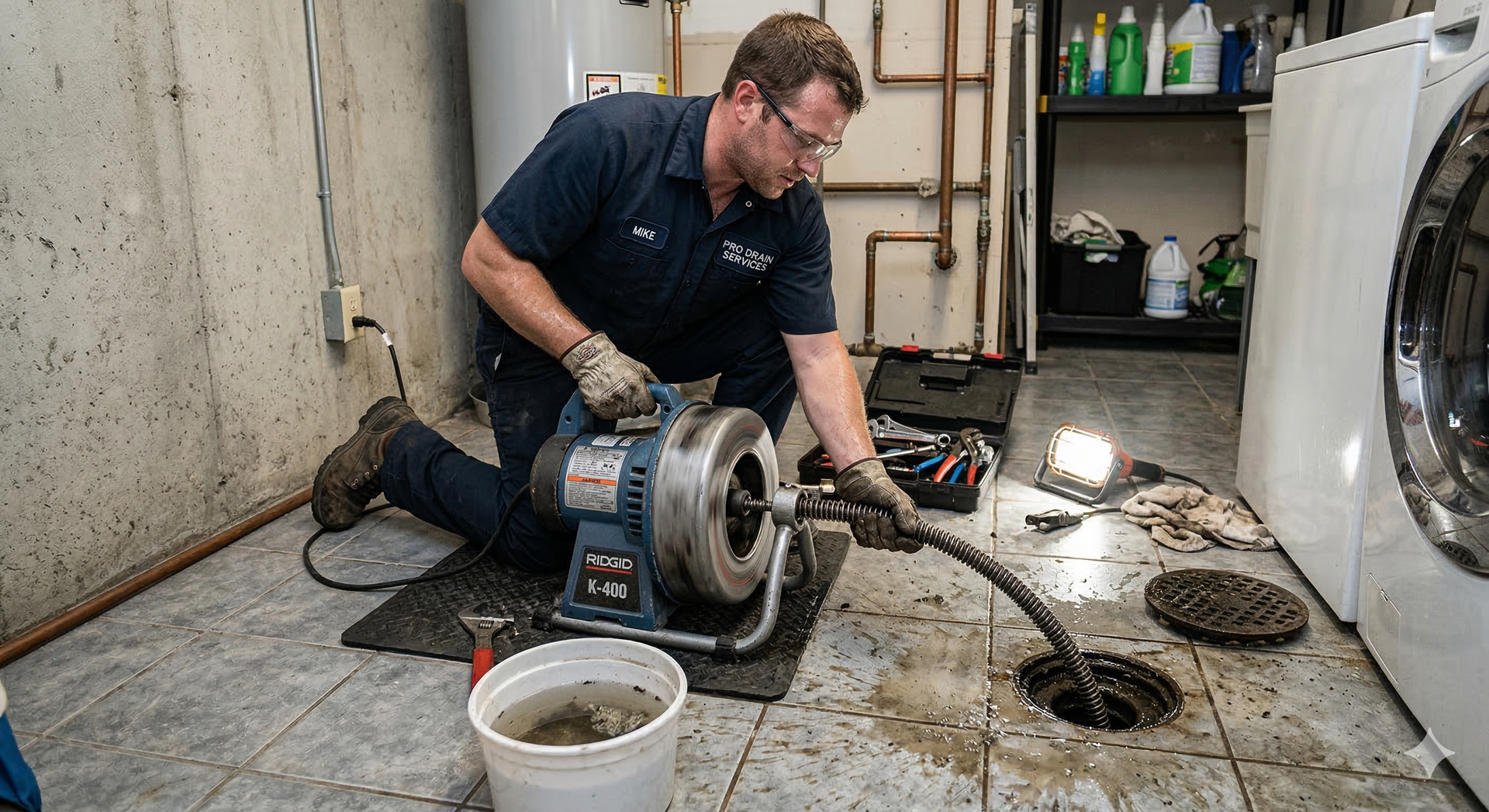
If manual removal doesn’t clear the clog, use a plumbing snake or auger designed for drain cleaning. Insert the snake or auger into the drain opening and slowly feed it down while rotating it clockwise. This action helps break up and dislodge the clog. Avoid using excessive force to prevent damaging the drain pipes.
3. Flushing with Water:
After removing visible debris and using a snake or auger, flush the roof drain with water to further clear any remaining obstruction. Attach a garden hose to a nearby water source and insert it into the drain opening. Turn on the water at a moderate pressure and allow it to flow through the drain, flushing out loosened debris. Monitor the water flow through the gutter system to ensure the drain is fully cleared.
4. Using a Wet/Dry Vacuum:
For stubborn clogs or debris that cannot be reached manually, use a wet/dry vacuum with a suitable attachment to suction out the blockage. Position the vacuum hose over the drain opening and apply suction to pull out debris from the drain pipe. Repeat as necessary until the drain is clear and water flows freely.
5. Chemical Drain Cleaners (Optional):
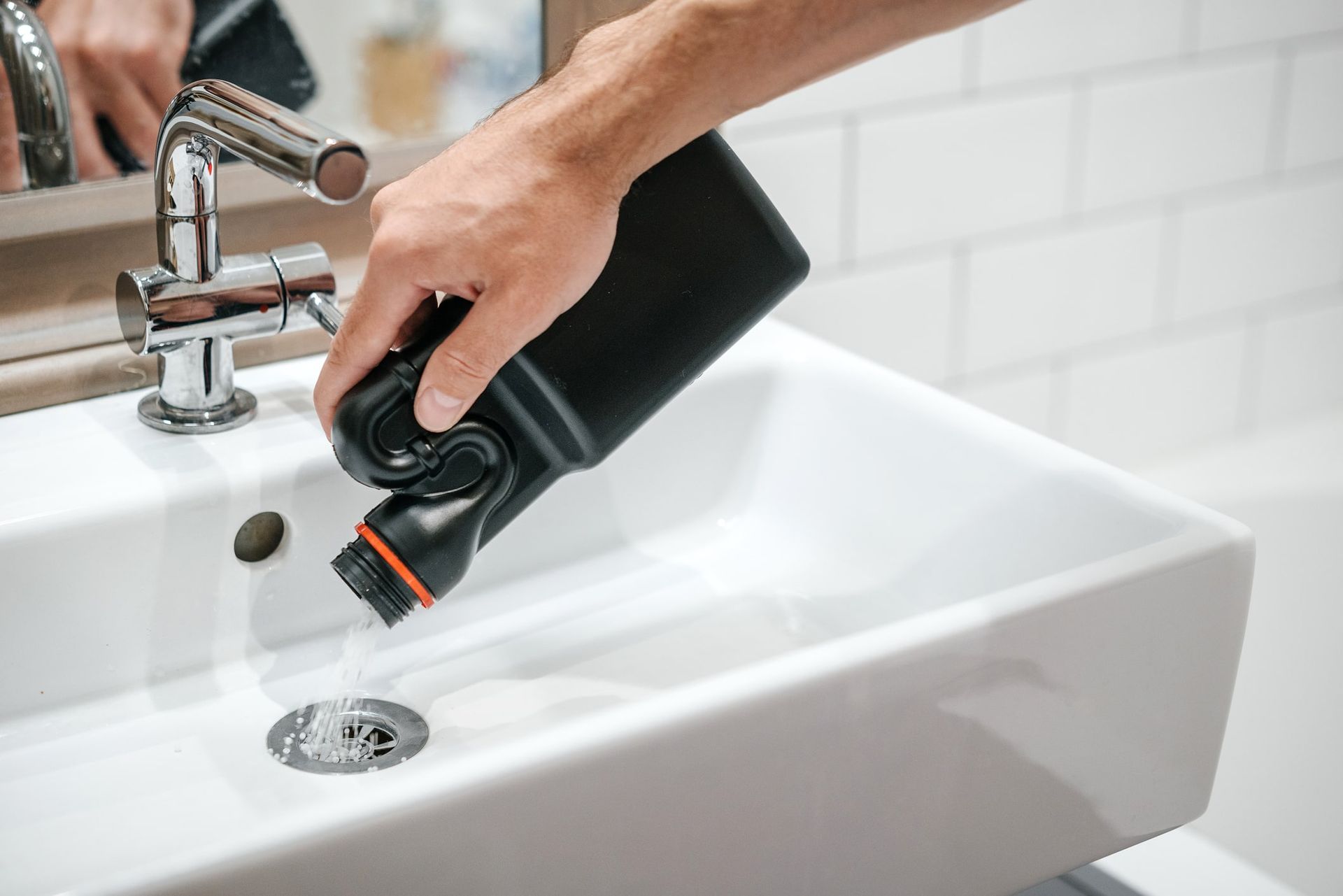
As a last resort and if recommended for your specific drain material, consider using a chemical drain cleaner to dissolve organic matter causing the clog. Follow the manufacturer’s instructions carefully and use protective gear when handling chemical cleaners. Rinse the drain thoroughly with water after applying the cleaner.
Read here about Why Clogged Drains are Risky!
Conclusion:
In conclusion, maintaining clear and functional roof drains is crucial for preventing water damage and preserving the integrity of your property. By promptly addressing clogged roof drains using the methods outlined—manual removal of debris, utilizing plumbing tools like snakes or augers, flushing with water, and employing wet/dry vacuums—you can ensure optimal drainage efficiency.
Regular inspection and proactive cleaning, particularly before and after rainy seasons or periods of heavy debris accumulation, are essential preventive measures. These practices not only safeguard against costly repairs from water-related issues but also extend the lifespan of your roof and drainage system.