How to Build Redundancy Into Your Plumbing System?
Building redundancy into your plumbing system is a proactive strategy that ensures continuous water flow, minimizes disruptions, and safeguards your property against unexpected failures. By incorporating backup components and fail-safes, homeowners and property managers can transform a standard setup into a resilient network capable of handling pressure fluctuations, leaks, and breakdowns without immediate catastrophe. This comprehensive guide explores the principles, components, and step-by-step processes involved, drawing on established engineering practices to create layered protections that extend the lifespan of pipes, fixtures, and appliances.
Understanding Plumbing Redundancy
Redundancy in plumbing refers to the deliberate inclusion of duplicate or supplementary elements designed to take over seamlessly if primary systems fail, much like backup generators in electrical setups. At its core, this approach acknowledges that no single pipe, valve, or fixture is infallible; wear from mineral buildup, temperature changes, and daily use inevitably leads to vulnerabilities. A redundant system distributes risk across multiple pathways, ensuring that a localized issue, such as a burst pipe in winter, does not cascade into widespread water loss or flooding.
Consider a household with high water demand: without redundancy, a single clogged line could halt operations across bathrooms and kitchens simultaneously. Redundant designs, however, incorporate parallel lines or automatic shutoffs that isolate problems while rerouting flow. This not only prevents downtime but also reduces repair costs over time, as minor interventions replace full-system overhauls. Professional plumbers emphasize that redundancy aligns with modern building codes, which increasingly mandate dual-supply lines in critical areas like fire suppression systems.
The philosophy extends beyond mere duplication; it involves intelligent layering, where low-tech solutions like manual valves complement high-tech sensors. Homeowners who invest early in redundancy report fewer emergency calls and lower insurance premiums, as insurers recognize the reduced flood risk. By mapping your home's water usage patterns—peak morning showers or irrigation cycles—you can prioritize redundancy where it matters most, creating a tailored defense against the inevitable.
Assessing Your Current System
Before implementing redundancies, conduct a thorough audit of your existing plumbing infrastructure to identify weak points and capacity limits. Begin with a visual inspection: trace main supply lines from the meter to branches, noting material types such as galvanized steel prone to corrosion or modern PEX tubing resistant to freezing. Pressure test the system using a gauge attached to an outdoor faucet, aiming for 40-60 PSI under normal operation; spikes above 80 PSI signal overpressure risks that demand immediate attention.
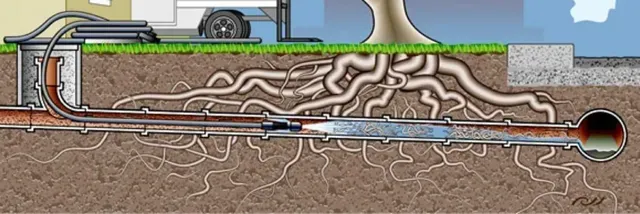
Document fixtures' age and performance: toilets over 15 years old may leak silently, wasting gallons daily, while water heaters showing rust warrant preemptive replacement. Engage a flow rate test at multiple taps to quantify delivery—less than 5 gallons per minute indicates bottlenecks. Hidden dangers of neglected plumbing systems often lurk here, manifesting as gradual pressure drops from scale accumulation or undetected pinhole leaks that erode subflooring over months. Use infrared cameras or moisture meters for non-invasive scans, revealing damp spots invisible to the naked eye.
Gather historical data too: review past repair logs for recurring issues like seasonal freezes or summer surges from irrigation. Consult municipal water quality reports for regional challenges, such as hard water accelerating calcification. This assessment phase, ideally spanning a weekend, equips you with a blueprint for targeted redundancies, ensuring investments yield maximum reliability rather than patchwork fixes.
Essential Components for Redundancy
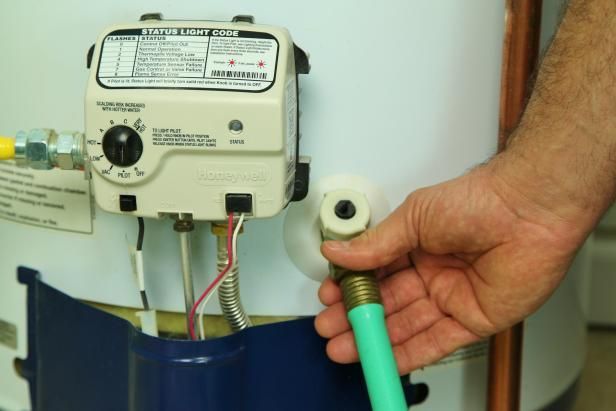
Several core components form the backbone of a robust redundant plumbing system, each selected for durability and compatibility across residential scales. Expansion tanks stand out as critical for water heaters, absorbing excess volume generated by thermal expansion to prevent pressure buildup that could rupture pipes or fixtures. Installed inline between the heater outlet and check valve, these tanks—typically bladder-style with 2-5 gallon capacities—maintain equilibrium, extending equipment life by years.
Shutoff valves, both ball and gate types, provide manual isolation points at every major appliance and zone; install them in accessible clusters for swift response. Backflow preventers safeguard potable lines from contamination during pressure reversals, mandatory in many jurisdictions for irrigation tie-ins. Pressure-reducing valves (PRVs) at the main entry stabilize incoming force, pairing well with secondary regulators for zoned control.
Piping redundancies involve dual hot/cold lines to sinks and dual-supply toilets, minimizing single-point failures. Sump pumps with battery backups in basements handle overflow, while air admittance valves (AAVs) on drain lines prevent vacuum locks without vent pipe roof penetrations. Integrating these elements requires precise sizing—consult flow charts to match pipe diameters (e.g., 3/4-inch mains for homes under 2,500 sq ft)—ensuring seamless failover without performance dips.
Installing Expansion Tanks and Pressure Management
Installing an expansion tank begins with selecting a model rated for your heater's BTU output, typically pre-charged to 40 PSI for easy setup. Shut off the main water supply and relieve pressure by opening faucets, then cut into the hot water line post-check valve using a pipe cutter for a clean section. Secure the tank with unions for future removal, orienting it vertically to maximize air cushion effectiveness.
Attach a pressure gauge to verify operation: repressurize gradually, adjusting the tank's Schrader valve to match static home pressure minus 2 PSI. Test by cycling the heater; the tank should visibly flex without leaks. For comprehensive pressure management, add a secondary PRV downstream, calibrated via adjustable screw for fine-tuned output. This duo addresses thermal shocks common in larger homes, where unchecked expansion stresses solder joints.
Monitor post-installation with digital loggers for a week, logging peaks during high-use periods. Such setups not only comply with codes like IPC Section 607 but also avert premature failures, saving thousands in flood remediation. Pair with All City Plumbers for expert installation if DIY limits arise, ensuring code adherence and warranty preservation.
Incorporating Backflow Prevention and Dual Lines
Backflow prevention devices, such as reduced pressure zone (RPZ) assemblies, install at crossover points like hose bibs or sprinklers, featuring test cocks for annual certification. Position them above ground for accessibility, soldering or threading into copper/PVC transitions with union fittings. Dual supply lines shine in high-traffic areas: run parallel 1/2-inch PEX from manifolds to fixtures, crimping with expansion tools for leak-free joints.
Manifold systems centralize distribution, with dedicated loops per zone equipped with individual shutoffs and flow meters. This allows isolating a leaky kitchen without affecting baths, a hallmark of redundancy. Vent stacks gain failover via AAVs at each trap, admitting air to break siphons during heavy drainage. Whole-house filtration precedes these, trapping sediments that clog secondaries.
Professional integration ensures hydrodynamic balance—excessive velocity erodes fittings—so flow simulations via apps guide layouts. These measures fortify against cross-contamination and surges, embodying redundancy's preventive ethos.
Integrating Smart Monitoring and Automation
Modern redundancy leverages sensors for predictive maintenance, transforming reactive fixes into automated safeguards. WiFi-enabled leak detectors under sinks and near heaters ping apps at first drips, triggering motorized shutoffs. Flow monitors on mains flag anomalies like silent toilet runs, conserving 10%+ on bills.
Pair with smart valves controllable via hubs, scheduling purges to clear stagnant lines. Data loggers track pressure trends, alerting to drops signaling clogs. Battery backups ensure uptime during outages, critical for sump integration.
Calibration involves baseline logging over 48 hours, setting thresholds (e.g., 10% variance). This tech layer anticipates failures, with ROI via averted disasters often within months.
Maintenance Routines for Long-Term Reliability
Sustain redundancy through quarterly inspections: cycle valves for suppleness, test expansion tanks' air charge, and flush water heaters annually to slough sediment. Calibrate PRVs seasonally, adjusting for temperature swings. Monitor smart alerts promptly, replacing sensors every five years.
Conclusion
Winterize by insulating exposed lines and programming circulators. Annual backflow tests by certified techs maintain compliance. Log all activities for warranty claims. Diligent routines compound redundancy's benefits, often doubling system longevity.
In conclusion, building redundancy into your plumbing system demands upfront planning but delivers enduring peace of mind, drastically curbing the hidden dangers of neglected plumbing systems through vigilant design and maintenance. By layering components like expansion tanks, dual lines, and smart monitors, you create a self-healing network resilient to real-world stresses. Embrace this approach today, consulting trusted experts like All City Plumbers to customize for your home—your future self will appreciate the foresight in every drop of uninterrupted service.