The Role of Grease Traps in Preventing Kitchen Drain Clogs?
Grease traps are essential components in commercial and residential kitchen plumbing systems designed to capture fats, oils, and grease (FOG) before they enter the main drainage system. Without proper grease trap installation and maintenance, these substances solidify in pipes, causing severe clogs, backups, and costly plumbing repairs. This article explains how grease traps function, their role in preventing drain clogs, the repair process for malfunctioning traps, leak isolation techniques, patching methods for associated piping, and long-term maintenance strategies to ensure optimal performance and prevent kitchen drain failures.
Understanding How Grease Traps Work
Grease traps operate on the principle that grease is lighter than water and will float to the surface while solids settle to the bottom. As wastewater flows through the trap, it slows down in a designated chamber, allowing grease to separate and accumulate on the surface while solids to the bottom. The clarified water in the middle layer then exits through the outlet pipe to the main drainage system, leaving the captured FOG behind for removal.
The efficiency of a grease trap depends on proper sizing, correct installation, and regular maintenance. Undersized traps cannot handle the volume of wastewater produced, leading to grease bypass and downstream clogs. Proper installation requires the trap to be positioned at the correct height and flow rate to ensure adequate separation time. Professional plumbers and service companies such as All City Plumbers routinely evaluate grease trap sizing and installation to ensure compliance with local plumbing codes and optimal performance.
Signs of Grease Trap Failure and Kitchen Drain Clogs
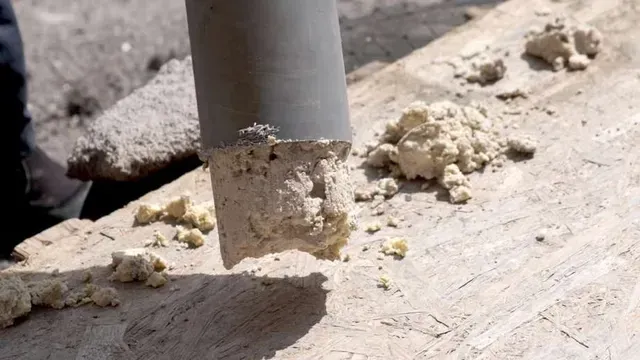
When a grease trap fails or becomes overwhelmed, several symptoms indicate the problem. Kitchen drains become slow or completely blocked, wastewater backs up into sinks or floor drains, and unpleasant odors emanate from the drainage system. FOG accumulation in pipes causes visible grease buildup around drain openings and may result in repeated clogs that require frequent professional cleaning.
In commercial kitchens, grease trap failure can lead to regulatory violations and health code issues. Property managers and restaurant owners should monitor drain performance regularly and schedule professional inspections when symptoms appear. Early detection of grease trap problems prevents extensive pipe damage and reduces the need for emergency plumbing services.
Grease Trap Repair Process and Maintenance
Repairing a malfunctioning grease trap involves several steps to restore proper function. First, the trap must be completely emptied and cleaned to remove accumulated grease and solids. This process requires specialized equipment and proper disposal methods to comply with environmental regulations. Professional technicians will inspect the trap interior for damage, corrosion, or structural issues that may affect performance.
After cleaning, technicians check the inlet and outlet baffles for proper alignment and functionality. Baffles that are damaged or misaligned allow grease to bypass the trap and enter the drainage system. If baffles are compromised, they must be repaired or replaced to restore trap efficiency. The trap cover and seals are also inspected for leaks, and any damaged components are replaced to prevent wastewater escape.
For traps with significant structural damage, full replacement may be necessary rather than repair. Older traps may have deteriorated beyond reliable function, and modern traps offer improved efficiency and easier maintenance. Qualified plumbers will assess the condition of the trap and recommend the most cost-effective solution based on the severity of damage and expected lifespan.
Leak Isolation and Temporary Measures
When a grease trap develops leaks, immediate isolation prevents wastewater from escaping into the surrounding area and causing environmental contamination. Technicians shut off the water supply to the kitchen drains connected to the trap and divert wastewater through temporary bypass systems if continuous operation is required. This isolation allows safe repair work without interrupting kitchen operations entirely.
For minor leaks at connection points, temporary measures such as compression clamps or epoxy patches can contain the leak until permanent repairs are completed. However, grease traps are subject to constant flow and chemical exposure, so temporary patches should be viewed as short-term solutions. In properties with complex plumbing systems, coordinating isolation with other maintenance activities ensures comprehensive protection.
For buildings with extensive plumbing networks, proactive inspections help identify issues early. Regular maintenance activities such as inspecting your crawlspace for plumbing issues can reveal moisture intrusion, pipe deterioration, or early signs of leaks that might affect the grease trap or downstream drainage systems. These inspections complement grease trap maintenance by ensuring the broader plumbing infrastructure remains functional.
Patching Methods and Associated Pipe Repairs
When grease accumulation causes pipe damage or leaks occur in piping connected to the grease trap, localized repairs may be needed. Small leaks at fittings are commonly resolved by replacing compression nuts, re-soldering copper joints, or installing threaded connectors with appropriate sealing compounds. For damaged pipe sections, cutting out the affected length and installing couplings or a new short run restores integrity.
In cases where piping is embedded in walls or floors, access panels or small excavations may be necessary to reach the leak. Proper support and alignment of the repaired piping reduce stress on joints and prevent premature failures. When patching is used as a temporary measure, schedule permanent repairs promptly to avoid water damage or system downtime.
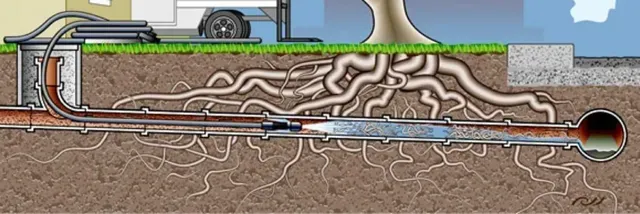
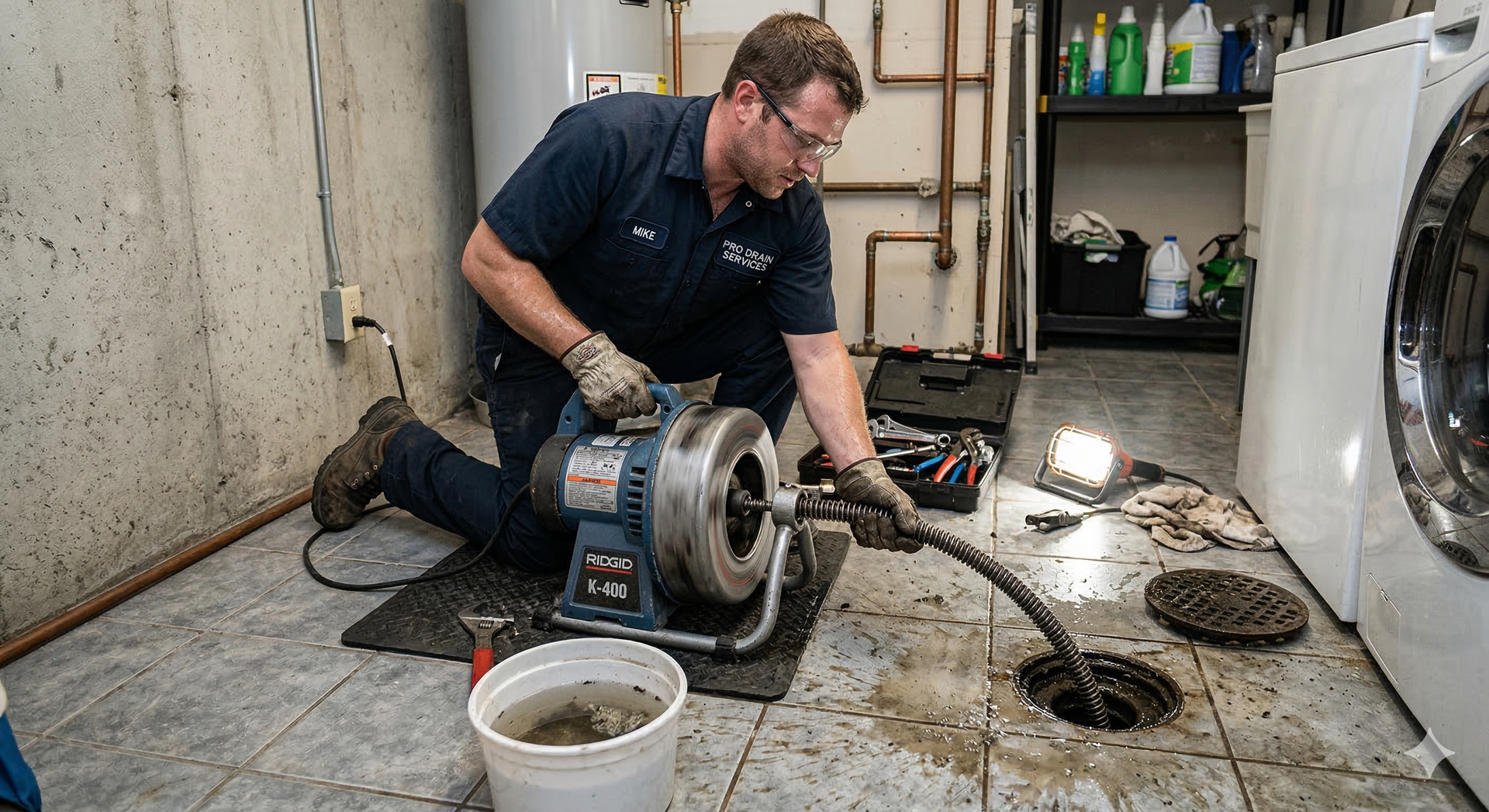
For grease-related pipe damage, professional cleaning may be required before repairs can be completed. Accumulated grease must be removed from the pipe interior to ensure proper bonding of repair materials and prevent future clogs. Professional plumbers use specialized plumbing tools such as high-pressure water jets, rotary brushes, and camera inspection equipment to clean pipes thoroughly before applying patching methods.
Long-Term Maintenance Strategies for Grease Traps
Regular maintenance is critical for grease trap performance and preventing kitchen drain clogs. Monthly inspection and cleaning schedules are recommended for commercial kitchens with high wastewater volume, while residential systems may require quarterly or semi-annual maintenance depending on usage. Professional maintenance includes complete trap cleaning, baffle inspection, and verification of proper flow rates.
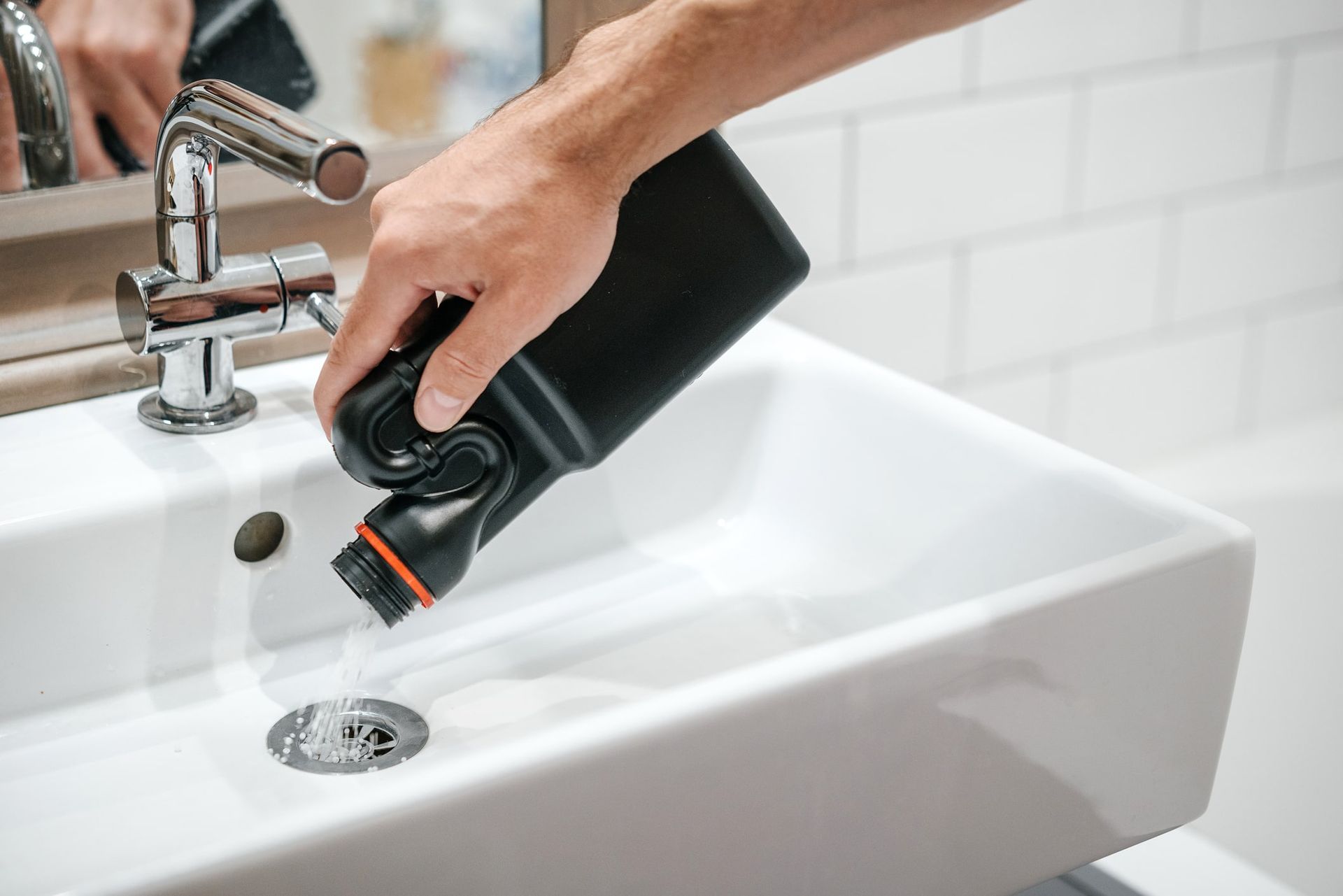
Between professional services, property owners should implement best practices to reduce grease entering the trap. This includes scraping food waste before washing dishes, using sink strainers to catch solids, and avoiding pouring hot grease directly into drains. These practices extend the time between professional cleaning visits and reduce the frequency of clogs.
Monitoring related plumbing systems helps maintain overall drainage health. For properties with water heating systems, ensuring expansion tanks are properly functioning prevents pressure fluctuations that could affect grease trap performance. Coordination between grease trap maintenance and other plumbing maintenance tasks creates a comprehensive approach to drainage system health.
Integrating grease trap maintenance with broader plumbing care prevents systemic issues. Activities such as regular drain cleaning prevent buildup in downstream pipes that could compound grease trap problems. Plumbing professionals with experience in both grease trap maintenance and general plumbing services can provide integrated maintenance programs that address all drainage system components.
Regional Requirements and Regulatory Compliance
Grease trap regulations vary by locality, with many jurisdictions requiring specific sizing, installation standards, and maintenance frequencies for commercial kitchens. Property owners must comply with local plumbing codes and environmental regulations to avoid violations and penalties. Professional plumbers familiar with regional requirements ensure grease trap installations meet all applicable standards.
Regular documentation of maintenance activities is often required for regulatory compliance. Property owners should maintain records of professional cleaning dates, trap inspections, and any repairs performed. This documentation demonstrates compliance with local regulations and provides a history of trap performance for future reference.
Selecting a Qualified Service Provider
Choosing a qualified service provider for grease trap maintenance is essential for ensuring proper cleaning, repair, and compliance. Look for companies with experience in grease trap services, proper licensing, and environmental compliance certifications. Verify that technicians have training in grease trap maintenance and disposal regulations.
Reputable companies provide detailed service reports after each maintenance visit, documenting trap condition, cleaning procedures, and any recommended repairs. They will also provide maintenance schedules and pricing transparency for ongoing service agreements. Companies like All City Plumbers that offer comprehensive plumbing services including grease trap maintenance, drain cleaning, and general plumbing repairs provide convenient single-source solutions for property owners.
Environmental Considerations and Proper Disposal
Grease trap waste must be disposed of properly to comply with environmental regulations and prevent contamination. Professional service providers use approved disposal methods and transport waste to authorized facilities for treatment. Property owners should verify that their service provider follows proper disposal procedures and maintains documentation of waste handling.
Using professional services ensures compliance with environmental regulations and prevents illegal dumping of grease waste. DIY cleaning attempts may result in improper disposal and environmental violations. Professional technicians have the equipment and training to handle grease waste safely and legally.
Conclusion
Grease traps play a critical role in preventing kitchen drain clogs by capturing fats, oils, and grease before they enter the main drainage system. Proper sizing, correct installation, and regular maintenance ensure optimal trap performance and prevent costly pipe damage and backups. When grease traps fail, professional repair and cleaning restore function and prevent ongoing drainage problems.
Engage qualified service providers for grease trap maintenance, repair, and disposal to ensure compliance with local regulations and environmental standards. A proactive maintenance program that includes scheduled cleaning, regular inspections, and coordination with broader plumbing maintenance activities will minimize emergency repairs and keep kitchen drainage systems functioning efficiently for years to come.