How to Prepare Your Home Plumbing for a Heatwave?
Heatwaves impose significant stress on home plumbing systems, creating conditions that can lead to pipe failures, increased water demand, equipment malfunctions, and costly emergency repairs. Extreme heat causes water to expand within pipes, increasing internal pressure and stressing joints, valves, and fittings. Underground pipes can experience temperature fluctuations as soil heats up, while pipes in attics, garages, or exterior walls are exposed to direct heat that accelerates wear. Water heaters work harder to maintain temperature amid higher ambient temperatures, and increased water usage during hot weather puts additional strain on supply lines and fixtures. Understanding these heatwave impacts enables homeowners to implement preventative measures that protect plumbing infrastructure, reduce emergency call-outs, and maintain reliable service during extreme weather conditions.
Preparing Water Heaters for Extreme Heat Conditions
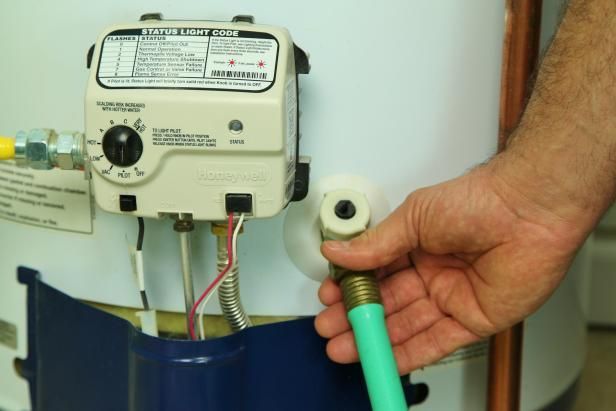
Water heaters face unique challenges during heatwaves, as high ambient temperatures affect operation efficiency and increase the risk of pressure-related failures. Begin by checking the temperature setting on your water heater, ensuring it is set to 120 degrees Fahrenheit to prevent overheating and reduce energy consumption. Higher settings waste energy and increase pressure within the tank, raising the risk of failures. Inspect the temperature and pressure relief valve by lifting the test lever briefly to ensure it operates properly and discharges water when activated, preventing dangerous pressure buildup. Examine expansion tanks, which are critical components that absorb pressure fluctuations in closed plumbing systems and protect water heaters from stress. Expansion tanks should have air pressure matching system requirements and should not show signs of waterlogging or failure. A failed expansion tank can cause excessive pressure that leads to water heater damage, pipe failures, and premature component wear during heatwaves when thermal expansion is more pronounced. Check the air pressure in expansion tanks using a tire gauge at the air valve and compare to manufacturer specifications, adding air if pressure is low or replacing the tank if it shows signs of failure. Insulate exposed hot water pipes to reduce heat loss and maintain consistent temperatures, which reduces the workload on the water heater during periods of high demand.
Protecting Pipes from Heat-Induced Pressure and Expansion
Pipes throughout your home are vulnerable to heat-induced pressure buildup and thermal expansion during heatwaves, requiring proactive protection measures. Insulate exposed pipes in attics, garages, crawlspaces, and exterior walls using pipe insulation sleeves or heat tape to reduce temperature fluctuations and minimize expansion stress. Check pipe supports and hangers to ensure pipes are properly secured and not sagging, as sagging creates stress points that can lead to joint failures when pipes expand. For copper pipes, ensure adequate expansion loops or offsets are installed to allow for thermal movement without stressing joints. Plastic piping such as PEX is more flexible and handles thermal expansion better than rigid materials, but still benefits from proper support and insulation. Check for signs of stress including bulging pipes, leaking joints, or creaking sounds that indicate expansion issues. If you notice pipes rubbing against framing or other pipes, add padding or reposition to prevent abrasion that can lead to failures. Proper pipe protection prevents heat-related leaks, extends plumbing system lifespan, and reduces the likelihood of emergency repairs during extreme weather.
Managing Increased Water Demand During Heatwaves
Heatwaves drive significantly increased water demand as households use more water for drinking, cooking, bathing, lawn irrigation, and pool filling, putting additional strain on plumbing systems. Plan ahead by identifying high-demand periods and staggering water usage to avoid overwhelming the system. Run dishwashers and washing machines during cooler evening hours when demand is lower and ambient temperatures are reduced. Limit lawn irrigation to early morning or late evening to reduce evaporation and minimize water waste. Check all fixtures for leaks before the heatwave begins, as increased pressure and usage can exacerbate existing leaks and turn minor drips into major problems. Ensure outdoor spigots are functioning properly and have freeze-proof models if you live in an area with variable temperatures. Install water-efficient fixtures such as low-flow showerheads and faucet aerators to reduce consumption without sacrificing performance. Monitor your water meter during the heatwave to detect unusual usage patterns that may indicate hidden leaks. Managing water demand effectively prevents pressure problems, reduces strain on pipes and fixtures, and ensures adequate water supply when demand is highest.
The Professional Repair Process for Heatwave-Induced Plumbing Problems
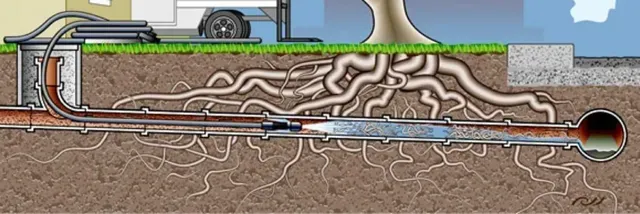
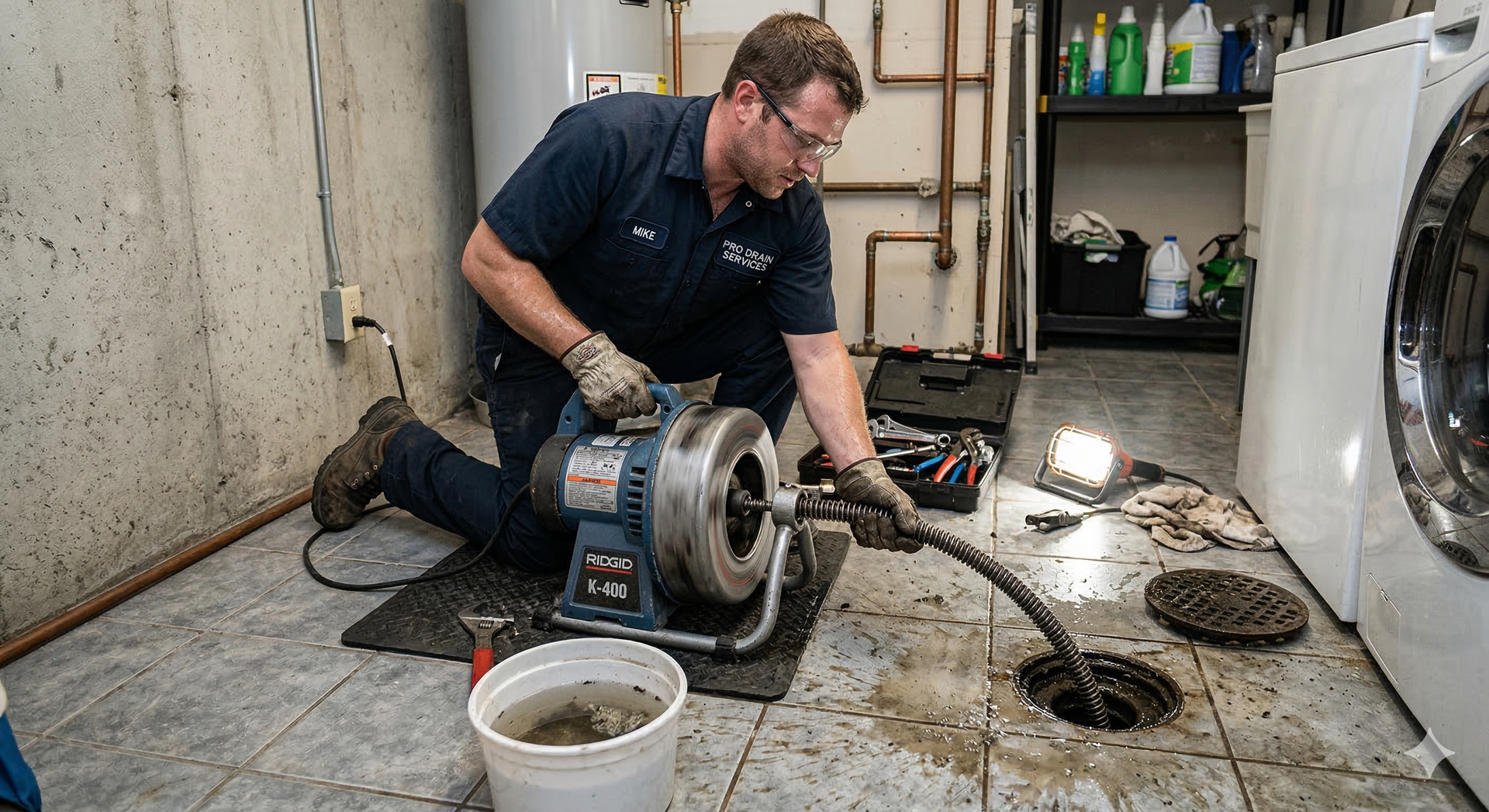
When heatwave-induced plumbing problems occur despite preventative measures, professional intervention follows a systematic repair process designed to address issues comprehensively while minimizing property disruption. Technicians begin with thorough diagnosis to identify the root cause, which may involve visual inspection, pressure testing, leak detection equipment, or video camera technology for hidden issues. For pipe failures caused by thermal expansion, technicians assess the extent of damage, isolate the affected section, and replace damaged piping with proper fittings and support. Water heater problems may require valve replacement, pressure relief testing, expansion tank replacement, or in severe cases, full unit replacement. When increased demand exposes inadequate pipe sizing or pressure issues, technicians may recommend system upgrades such as installing pressure reducing valves, adding additional fixtures, or upgrading to larger capacity equipment. Reputable companies like All City Plumbers employ technicians trained to handle heatwave-related plumbing emergencies efficiently, ensuring rapid response, proper diagnosis, and lasting repairs that restore system functionality and prevent recurrence.
Leak Isolation Techniques During Heatwave Emergencies
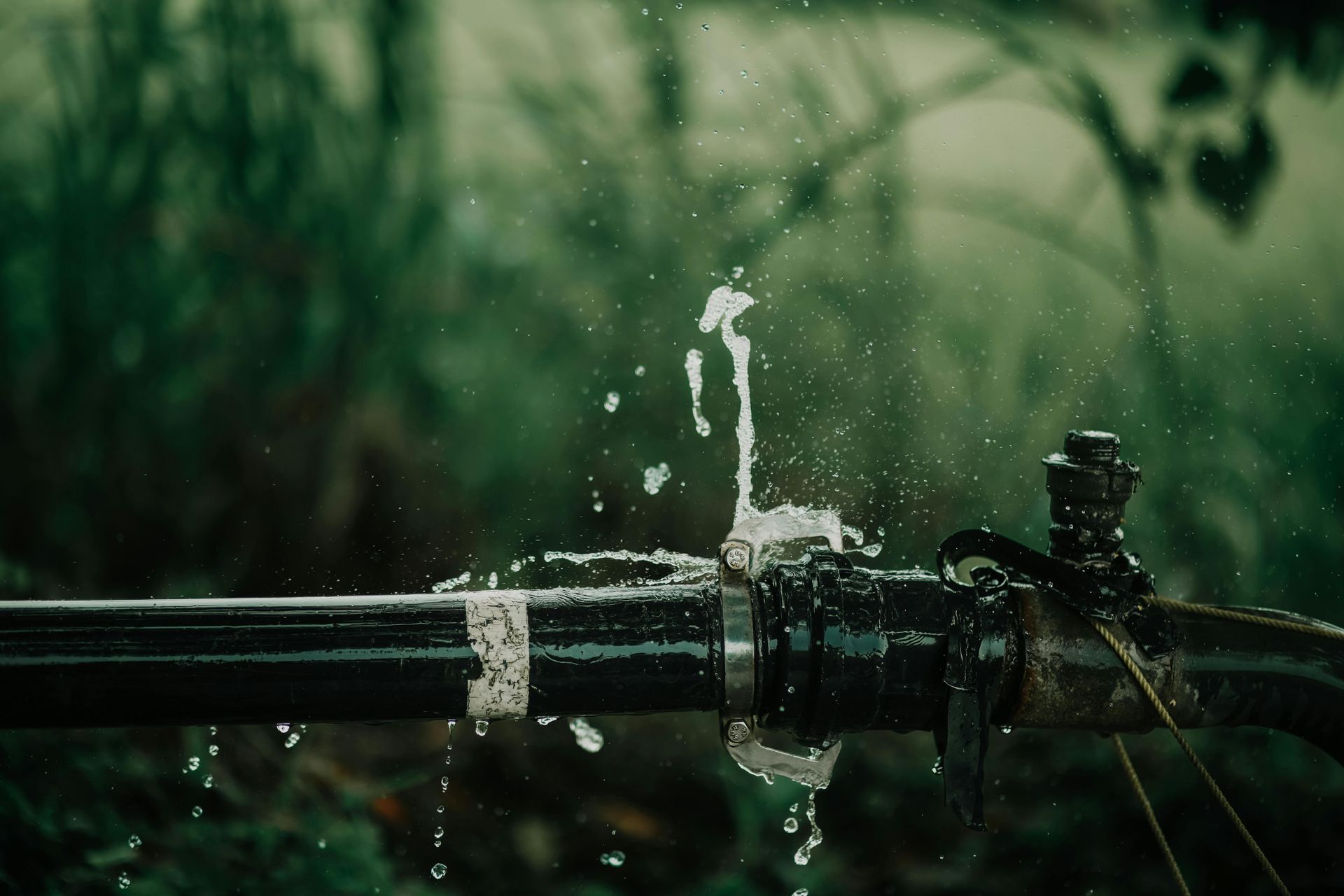
Leak isolation is critical during heatwave plumbing emergencies to prevent extensive water damage while repairs are scheduled, especially when high temperatures accelerate water evaporation and mold growth. When a leak is detected, immediately shut off the water supply to the affected area or the entire building, depending on the severity and location of the leak. For localized leaks, isolation valves may be used to contain the problem to a specific fixture or section of pipe, while major failures require shutting off the main water supply. Heatwaves can cause leaks to worsen rapidly due to increased pressure from thermal expansion, making prompt isolation essential. Effective isolation not only stops water flow but also creates a safer working environment for repair crews and reduces the risk of secondary damage to flooring, walls, electrical systems, and personal property. In extreme heat, water evaporates quickly from leak sites, potentially masking the extent of damage, so careful inspection of surrounding areas is necessary to identify all affected zones. Prompt and proper isolation limits the scope of damage and reduces overall repair costs during heatwave emergencies.
Temporary Patching Methods for Heatwave Plumbing Emergencies
Temporary patching methods provide immediate relief during heatwave plumbing emergencies and can stabilize the situation until permanent repairs are scheduled. For small pinhole leaks in copper pipes, copper repair tape or epoxy putty can seal the leak temporarily by creating a watertight barrier over the damaged area. Rubber repair clamps with hose liner can be wrapped around small cracks or holes in plastic or metal pipes and tightened to stop water flow. For joint leaks, wrapping the joint with waterproof plumbing tape or applying waterproof epoxy around the connection may temporarily stop seepage. These temporary measures are particularly valuable during heatwaves when professional repair services may be overwhelmed by increased demand and wait times are longer. However, temporary patches are not permanent solutions, and high temperatures can cause epoxy and tape to degrade more quickly than under normal conditions, so professional repair should follow as soon as possible. Temporary fixes prevent ongoing water damage and buy time for proper repairs during extreme weather conditions.
Recognizing When a Garbage Disposal Clog Needs Emergency Attention
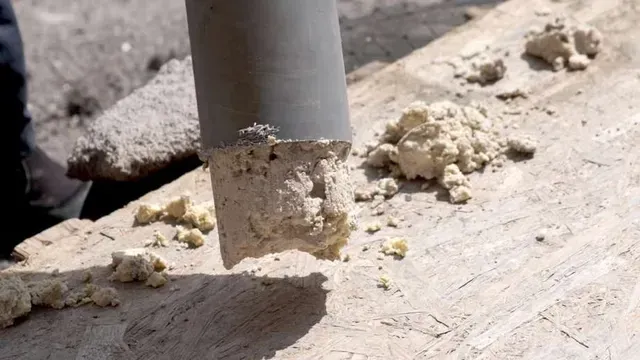
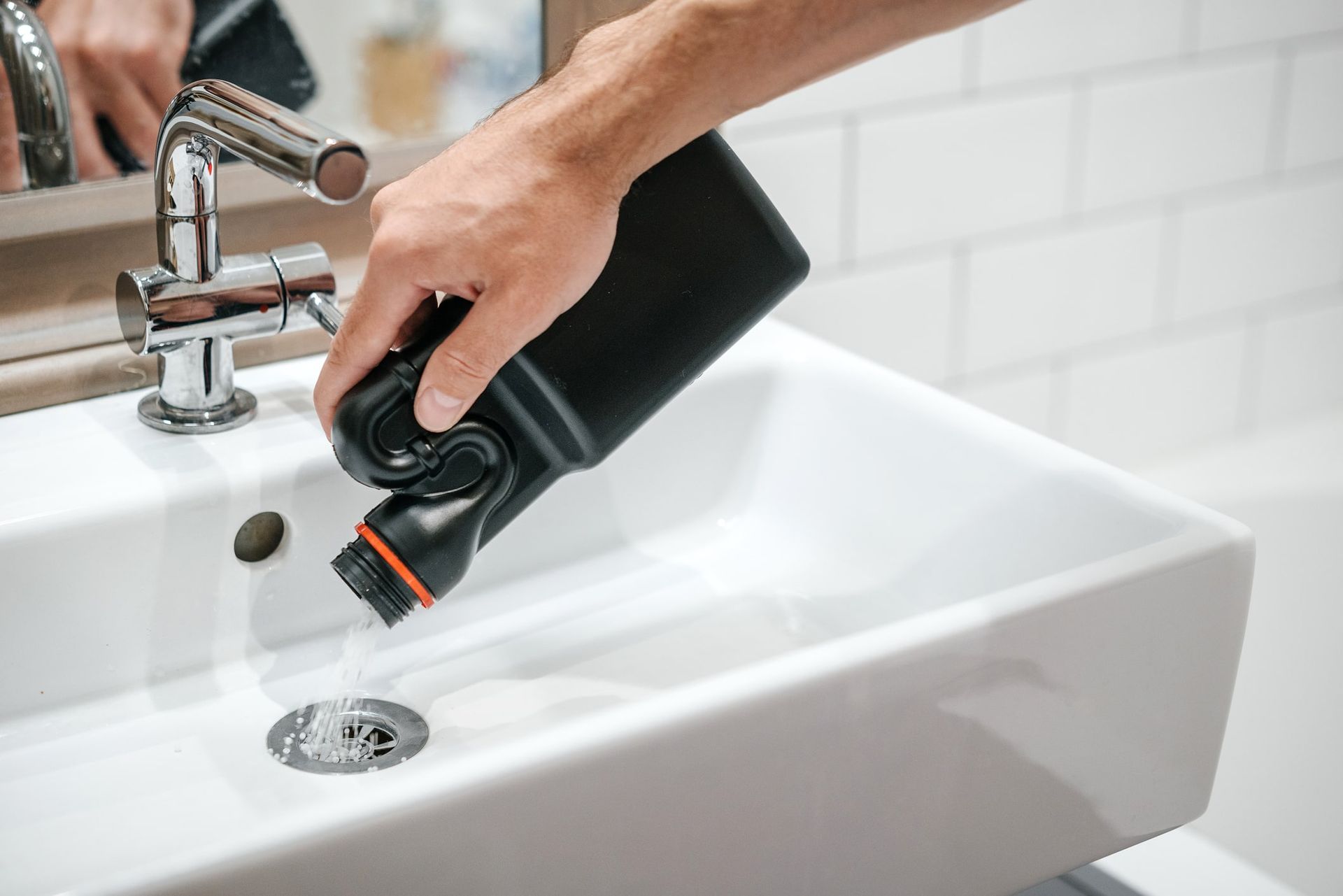
Heatwaves can indirectly affect garbage disposal performance as increased food preparation and grilling activities lead to more frequent disposal use and higher risk of clogs. Understanding when a garbage disposal clog needs an emergency plumber prevents minor issues from escalating into major problems. Emergency professional assistance is necessary when the disposal is completely jammed and will not reset, when water backs up into the sink despite attempting to clear the clog, when sewage odors emerge from the disposal indicating a deeper drain line blockage, when the disposal makes unusual grinding or humming noises suggesting motor failure, or when water leaks from the disposal unit itself. Attempting to force a jammed disposal or using excessive chemical drain cleaners can cause further damage and increase repair costs. Professional plumbers have the tools and expertise to safely clear clogs, diagnose underlying issues, and determine whether repair or replacement is the better option. Recognizing when professional help is needed prevents injury, avoids worsening the problem, and ensures the disposal is restored to proper function quickly.
Long-Term Maintenance Strategies for Heatwave Plumbing Resilience
Implementing long-term maintenance strategies is essential for preparing your plumbing system to withstand heatwaves and preventing heat-related failures. Schedule annual professional inspections of your plumbing system, including water heaters, pipes, valves, and expansion tanks, to identify early signs of wear, corrosion, or potential failure before extreme weather arrives. Insulate all exposed pipes before summer begins, particularly those in attics, garages, crawlspaces, and exterior walls that are most vulnerable to heat. Check and maintain proper water pressure throughout the year, installing pressure reducing valves if pressure exceeds 80 psi to prevent stress on pipes and fixtures during thermal expansion. Drain and flush water heaters annually to remove sediment that reduces efficiency and increases the risk of overheating. Test all shut-off valves periodically to ensure they operate smoothly when needed during emergencies. Maintain outdoor irrigation systems to prevent leaks that waste water and increase demand on your plumbing system. Proper long-term maintenance prevents heatwave-related problems, extends the life of your plumbing system, and ensures reliable service during extreme weather conditions.
Conclusion
Preparing your home plumbing for a heatwave requires proactive measures including water heater maintenance, pipe insulation, demand management, and system inspections to protect against heat-induced failures and increased stress. Understanding the impact of extreme heat on plumbing components, implementing preventative measures, and recognizing when professional intervention is necessary ensures your plumbing system remains reliable during extreme weather. The professional repair process, leak isolation techniques, and temporary patching methods provide tools for addressing problems effectively when they occur, while knowing when a garbage disposal clog needs an emergency plumber prevents minor issues from escalating.
Long-term maintenance strategies create a resilient plumbing system capable of withstanding heatwaves and reducing the likelihood of emergency repairs. Annual inspections, proper insulation, pressure management, and adherence to regular maintenance schedules prevent heat-related problems and extend plumbing system lifespan. By preparing your plumbing system before heatwaves arrive and maintaining it proactively, you protect your home from water damage, reduce emergency call-outs, and ensure reliable water service during extreme weather conditions when it matters most.