Temporary Plumbing Fixes: Why They Fail and Cost You More
Homeowners frequently encounter plumbing disruptions—a dripping faucet, a sluggish drain, or a minor pipe seep—and opt for temporary fixes to restore normalcy swiftly and economically. These stopgap measures, such as duct tape wraps, epoxy putty on cracks, or chemical drain cleaners, promise immediate relief without the disruption of professional intervention. While appealing for their accessibility at hardware stores and online tutorials, these solutions often stem from a misunderstanding of plumbing dynamics, where water pressure exceeding 80 PSI, temperature swings from 40 to 140 degrees Fahrenheit, and mineral deposits erode materials relentlessly over decades.
The initial savings seem compelling: a $10 tube of sealant versus a $300 service call. Yet this short-sighted approach ignores the interconnected nature of plumbing systems, where pipes span walls, floors, and slabs, carrying wastewater laced with acids that accelerate corrosion. Temporary fixes rarely address root causes like galvanic reactions between dissimilar metals or sediment buildup narrowing lumens by 30-50 percent. Over time, these patches create pressure imbalances, leading to cascading failures elsewhere, transforming a $20 DIY into thousands in structural remediation.
Common Temporary Fixes and Their Inherent Flaws
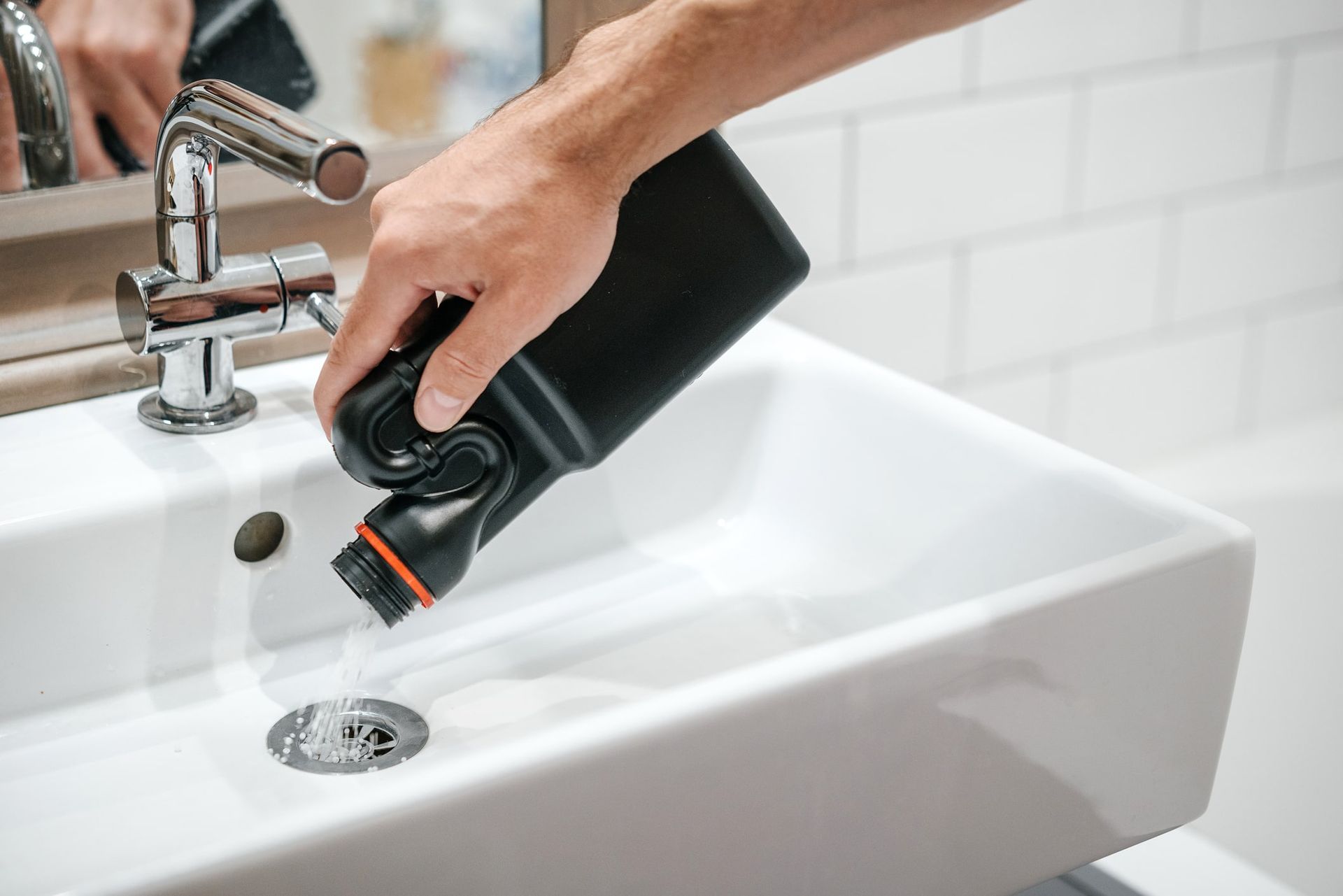
Duct tape or hose clamps around leaking pipes exemplify classic temporary measures, providing superficial seals that withstand low pressure briefly but degrade under constant flow. Adhesives like plumber's putty or silicone caulk fill cracks temporarily, yet they shrink, crack, or wash away as water erodes bonds, often within weeks. Chemical drain cleaners dissolve organic clogs with caustic sodium hydroxide, but they scorch PVC pipes, thinning walls and inviting bursts while failing to remove root intrusions or grease layers that reform rapidly.
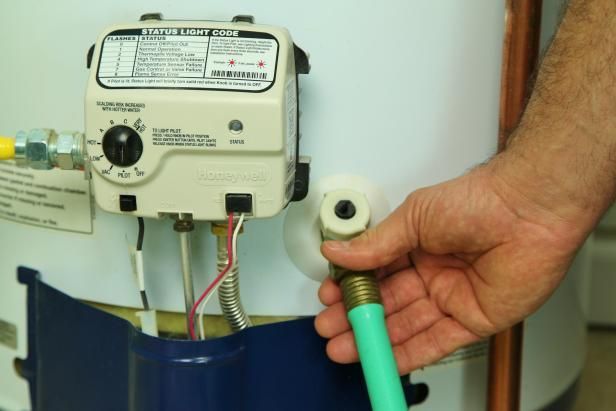
Pipe sleeve patches or rubber expanders encircle pinholes effectively short-term, yet expansion-contraction cycles loosen them, allowing moisture to wick underneath and foster hidden corrosion. Hose bib repairs with self-tapping screws or O-ring swaps bypass valve replacements but introduce debris that clogs aerators downstream. These methods overlook pressure surges from water hammer, which amplify stresses by 10-fold, ensuring recurrence. Causes of rusty hot water often trace to anode rod depletion in water heaters, where sacrificial zinc corrodes first; temporary flushes ignore this, perpetuating sediment that rusts hot lines selectively due to higher temperatures accelerating oxidation.
Why Temporary Fixes Fail Mechanically
Failure mechanics hinge on material incompatibilities and environmental stressors. Epoxy hardens rigid, unlike flexible plumbing under vibration from dishwashers or pumps, leading to shear fractures. Duct tape's adhesive fails in moist conditions, delaminating as hydrolysis breaks polymer chains. Chemical residues etch interiors, reducing pipe diameters and spiking pressures that rupture neighboring joints.
Biofilm reformation exacerbates issues: partial clogs leave bacterial colonies that multiply, producing slime blocking 70 percent flow within months. Thermal expansion mismatches—steel growing 0.000006 inches per degree versus plastic's 0.00004—stress patches during hot water cycles. Groundwater infiltration through slab leaks undermines seals from below, creating voids that collapse under load. These dynamics ensure 60-80 percent of temporary fixes recur within six months, per industry service records, as superficial treatments ignore hydrostatic forces and galvanic cells generating 1-2 volts that pit metals.
Hidden Costs Accumulating Over Time
The financial toll of temporary fixes compounds stealthily. A $15 patch averts one call but invites three more at $250 each, totaling $765 yearly, surpassing proactive repiping at $500 per line. Water loss from micro-leaks—10 gallons hourly—inflates bills by $200 annually while saturating insulation, dropping efficiency 15 percent. Burst escalations average $5,200 in damages, including drywall demolition at $2 per square foot and microbial remediation at $3,000 minimum.
Insurance deductibles erode savings: repeated claims flag properties as high-risk, hiking premiums 20-30 percent. Property devaluation follows, with disclosures of chronic issues deterring buyers by 5-10 percent market value. Lost productivity from disruptions—eight hours rearranging schedules per incident—adds intangible costs. For waterline repair and replacement, temporary clamps delay inevitable digs, ballooning expenses from $800 trenchless fixes to $4,000 open cuts with landscaping restoration.
Health and Structural Risks of Prolonged Band-Aids
Unchecked temporary measures breed health hazards beyond inconvenience. Stagnant water in patched traps fosters Legionella bacteria, aerosolized in showers causing flu-like Pontiac fever or severe pneumonia. Mold proliferation from seeped moisture releases mycotoxins irritating lungs, with remediation costs hitting $30,000 for widespread infestations. Rusty particulates contaminate potable lines, exceeding lead thresholds and risking developmental delays in children.
Structural compromises emerge subtly: subfloor rot weakens joists, costing $15,000 in sistering beams. Slab jacking at $1,000 per void addresses settlement from leaks eroding soil cohesion. Electrical shorts from wetted junctions spark fires, with NFPA data linking 5,300 annual incidents to plumbing failures. In emergencies, All City Plumbers offers rapid response to avert these perils before minor drips evolve into floods.
Professional Solutions Outlasting DIY Attempts
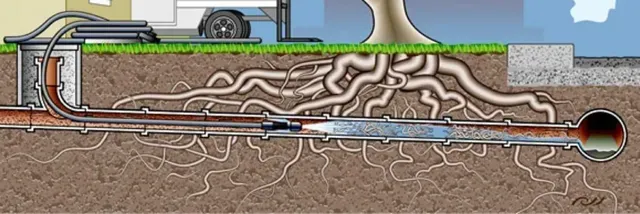
Licensed plumbers deploy epoxy pipe lining, curing in hours to restore 90 percent flow without demolition, or trenchless bursting swaps lines seamlessly. Hydro-jetting at 4,000 PSI pulverizes scale permanently, unlike acids. Thermal imaging pinpoints leaks pre-failure, preventing 90 percent of escalations. Warranties spanning 25 years safeguard investments, unlike DIY voids.
Inspection protocols include acoustic sensors detecting 0.1 GPM leaks and manometers verifying 50-70 PSI balances. Material upgrades—PEX over copper—flex 10 times without fatigue, slashing bursts 70 percent. Code-compliant installs preserve insurability, with phased scheduling minimizing disruptions to two days maximum.
Conclusion
Temporary plumbing fixes captivate with immediacy but falter under scrutiny, unraveling mechanically while amassing costs, health risks, and structural woes far exceeding initial outlays. Recognizing their transient nature empowers homeowners to prioritize enduring repairs, safeguarding homes comprehensively. Embrace professional intervention early—durability and tranquility repay the foresight manifold.