Best Chemical-Free Drain Cleaners for Regular Maintenance
Chemical drain cleaners have long been a popular household solution for clogged drains, but their harsh ingredients pose significant risks to plumbing systems, human health, and the environment. Strong acidic or alkaline chemicals can corrode pipes over time, particularly older metal pipes, damage pipe seals and joints, harm septic systems by killing beneficial bacteria, and create toxic fumes that endanger household occupants. Chemical-free drain cleaners offer a safer, more sustainable alternative that effectively maintains clear drains without these risks. Understanding the benefits of chemical-free options, the variety of natural solutions available, and how to integrate them into regular maintenance routines empowers homeowners to keep drains flowing freely while protecting their plumbing infrastructure, family health, and the environment.
Baking Soda and Vinegar: The Classic Natural Combination
Baking soda and vinegar remain the most popular and effective chemical-free drain cleaner combination, offering a powerful yet gentle cleaning action that breaks down buildup without damaging pipes. When baking soda (sodium bicarbonate) mixes with vinegar (acetic acid), it creates a foaming reaction that helps dislodge organic matter, grease, soap scum, and minor blockages while neutralizing odors. To use this combination effectively, pour about half a cup of baking soda down the drain followed by half a cup of white vinegar. Cover the drain with a plug or stopper to contain the reaction and let it fizz for fifteen to thirty minutes. Then flush with hot water to wash away loosened debris. For best results, repeat this process monthly as preventative maintenance or weekly for drains that are prone to buildup. This method is safe for all pipe materials including PVC, copper, and cast iron, and is compatible with septic systems. The baking soda and vinegar combination is particularly effective for kitchen drains where grease and food particles accumulate, and bathroom drains where hair and soap scum build up.
Enzyme-Based Drain Cleaners for Organic Breakdown
Enzyme-based drain cleaners use naturally occurring bacteria and enzymes to break down organic matter such as food waste, hair, grease, soap scum, and paper products without damaging pipes or harming the environment. These biological cleaners work by consuming organic buildup and converting it into water, carbon dioxide, and harmless byproducts, making them ideal for regular maintenance and preventative care. Unlike chemical cleaners that work immediately, enzyme-based cleaners require time to work, typically taking several hours to overnight for full effectiveness. To use enzyme-based drain cleaners, pour the recommended amount down the drain, typically one to two cups, and allow it to sit for at least eight hours or overnight before flushing with water. For best results, use enzyme-based cleaners weekly or biweekly as preventative maintenance, which maintains a healthy balance of bacteria in the drain and prevents buildup accumulation. Enzyme-based cleaners are particularly effective for kitchen drains where food waste accumulates, and they are safe for all pipe materials and septic systems. While enzyme-based cleaners may not clear severe clogs immediately, they excel at preventative maintenance and are ideal for households seeking sustainable, non-toxic drain care solutions.
Hot Water Flushing as a Simple Maintenance Technique
Hot water flushing is one of the simplest yet most effective chemical-free methods for maintaining clear drains and preventing buildup accumulation. Hot water melts grease, dissolves soap scum, and flushes away loosened debris, making it particularly effective for kitchen drains where cooking fats and oils commonly accumulate. To use hot water flushing effectively, boil a kettle or pot of water and carefully pour it down the drain in two to three stages, allowing hot water to work for a few seconds between each pour. For kitchen drains, perform this maintenance weekly to prevent grease buildup, and for bathroom drains, perform it monthly to dissolve soap scum and hair accumulation. Hot water flushing is safe for all pipe materials when water temperature is kept below boiling for PVC pipes, which can soften at extreme temperatures, and should be used at full boiling temperature for metal pipes. Combining hot water flushing with other chemical-free methods such as baking soda and vinegar enhances effectiveness, as hot water activated after the baking soda and vinegar reaction carries away loosened debris more effectively. This simple technique requires no special products or tools and can be integrated seamlessly into regular household cleaning routines.
Mechanical Drain Snakes and Augers for Physical Removal
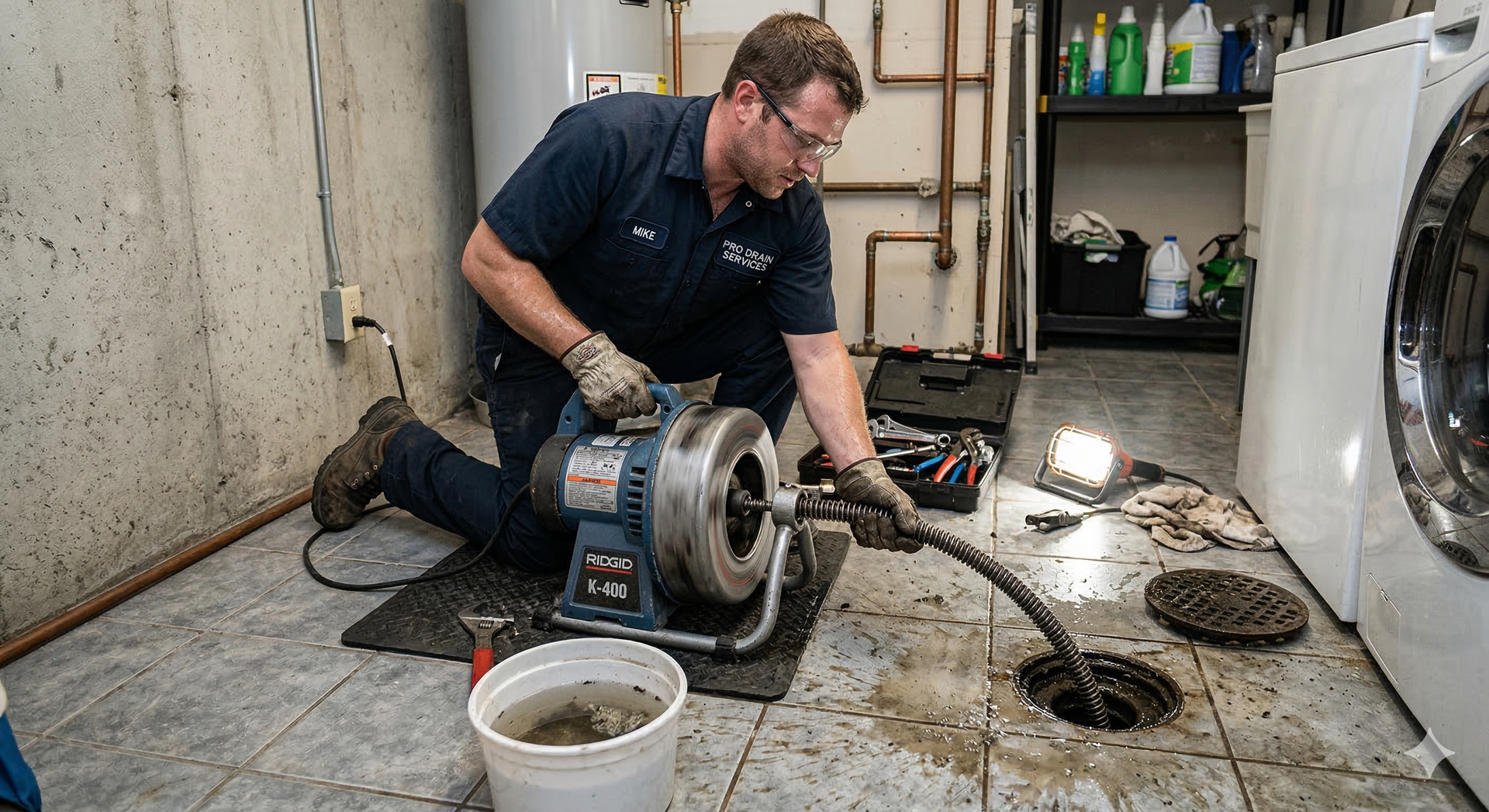
Mechanical drain snakes and augers provide physical removal of clogs and buildup without any chemicals, making them effective chemical-free alternatives for both maintenance and clearing stubborn blockages. Drain snakes are flexible cables with a corkscrew tip that are manually inserted into drains to break up or retrieve clogs, while augers are more robust versions with crank handles for easier operation and greater reach. To use a drain snake effectively, insert the tip into the drain and rotate the handle while pushing forward, allowing the corkscrew to grab or break up the clog. When resistance is felt, continue rotating and pulling back to retrieve the material or break it into smaller pieces that can be flushed away. For best results, use drain snakes monthly for preventative maintenance in drains prone to clogs, and immediately when clogs occur to prevent worsening. Mechanical snakes and augers are particularly effective for hair clogs in bathroom drains, food buildup in kitchen drains, and minor tree root intrusion in sewer lines. They are safe for all pipe materials when used gently, and unlike chemical cleaners, they remove clogs entirely rather than just breaking them down partially. Having the best tools for garbage disposal including drain snakes enables homeowners to address clogs quickly and effectively without resorting to harsh chemicals.
Boiling Water and Salt Combination for Grease Removal
The boiling water and salt combination is an effective chemical-free method specifically targeted at grease buildup in kitchen drains, offering a simple yet powerful cleaning action. Salt acts as an abrasive that helps scrub pipe walls while boiling water melts and flushes away grease. To use this combination, pour about half a cup of table salt or coarse kosher salt down the drain followed by a pot of boiling water. Allow the mixture to sit for several minutes to let the salt work on grease buildup, then flush with additional hot water to wash away dissolved grease. For best results, perform this maintenance weekly for kitchen drains where grease commonly accumulates from cooking. The boiling water and salt combination is particularly effective when used after cooking sessions that involve significant fat or oil use, and it works well in combination with baking soda and vinegar for enhanced cleaning. This method is safe for metal pipes but should be used with caution on PVC pipes, using very hot rather than boiling water to avoid softening the plastic. Regular use prevents grease from hardening and accumulating, reducing the likelihood of severe clogs requiring professional intervention.
The Professional Repair Process When Maintenance Fails
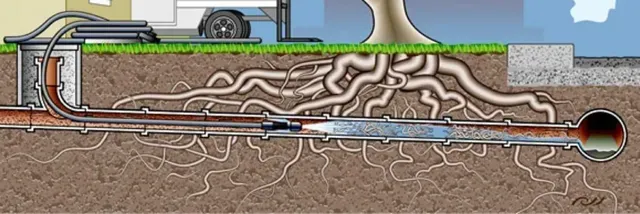
When chemical-free maintenance methods fail to clear persistent clogs or when drain problems indicate underlying issues beyond simple buildup, professional intervention becomes necessary. Professional technicians begin with thorough diagnosis to identify the root cause, which may involve visual inspection, drain camera inspection to visualize pipe conditions, or testing water flow to identify restrictions. For clogs caused by substantial buildup, professional drain cleaning using high-pressure water jetting or mechanical augering removes the obstruction completely and restores flow. Water jetting uses pressurized water at thousands of psi to cut through grease, scale, roots, and debris, providing thorough cleaning that home methods cannot achieve. For clogs caused by tree root intrusion, technicians may use mechanical root cutting followed by chemical root inhibitor application, though permanent resolution typically requires pipe repair or replacement. For severe blockages, collapsed pipes, or bellied sections, the repair process may involve traditional excavation and pipe replacement or trenchless methods such as pipe bursting or pipe lining. Reputable companies like All City Plumbers employ technicians trained in all repair methods, ensuring proper diagnosis, optimal method selection, and lasting repairs that restore function and prevent recurrence.
Leak Isolation Techniques During Drain Emergencies
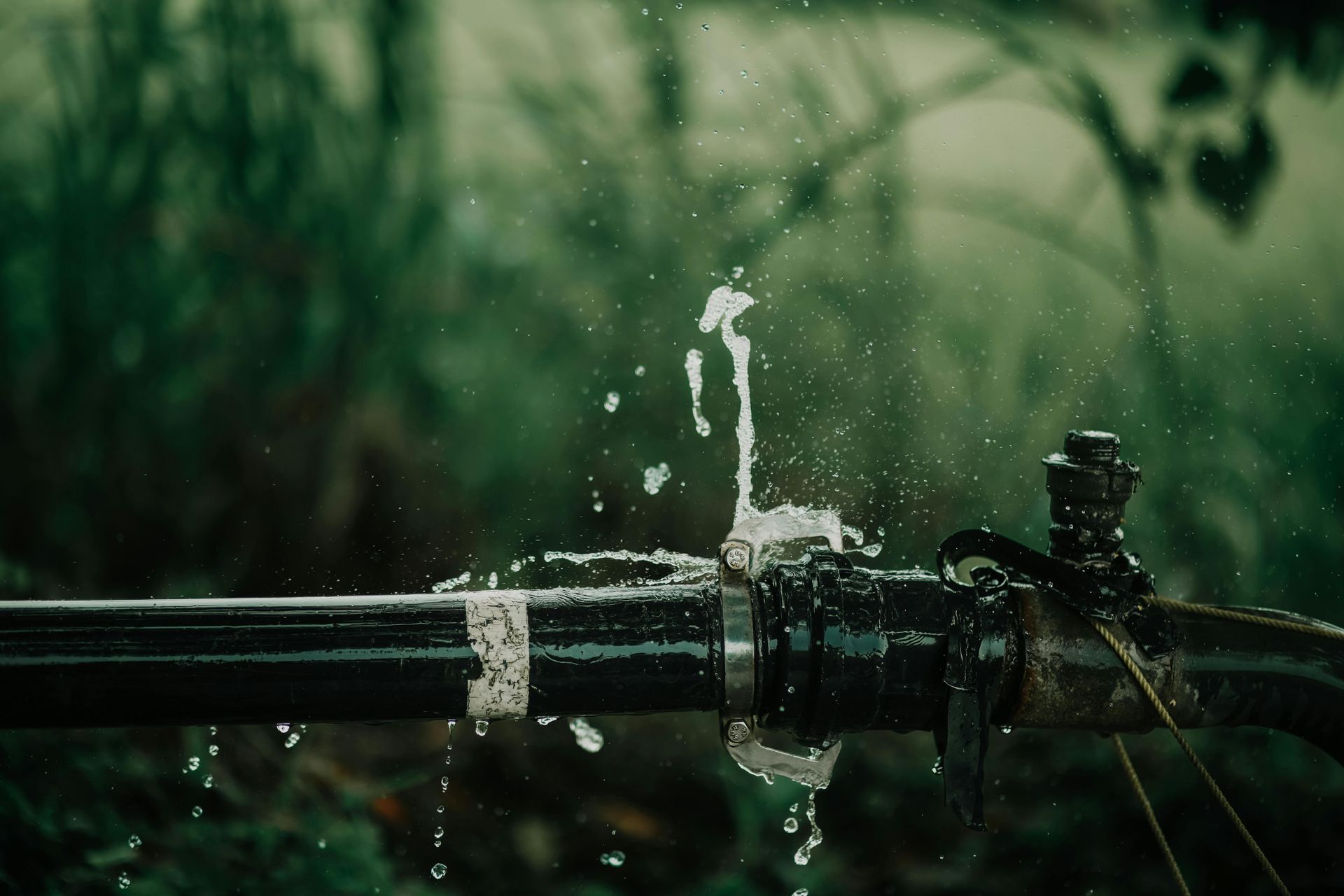
Leak isolation is critical during drain emergencies to prevent extensive contamination, property damage, and health hazards while repairs are scheduled. When a drain line failure is detected, immediately stop using all water fixtures throughout the home to prevent additional wastewater from flowing through the damaged section. Avoid flushing toilets, running sinks, showers, dishwashers, or washing machines, as this adds volume to the damaged line and increases the risk of backups into the home. If possible, locate and close the main cleanout cap to prevent wastewater from escaping through the cleanout opening, though this should only be done if you are certain the line is blocked downstream and not at the cleanout. For severe backups where sewage has entered the home, contain the affected areas by blocking doorways with towels or plastic sheeting to prevent spread, and avoid contact with sewage due to health hazards from bacteria and pathogens. Effective isolation not only prevents additional contamination but also creates a safer working environment for repair crews and reduces the extent of damage to flooring, walls, personal property, and landscaping. In cases where sewage has contaminated areas, professional remediation may be necessary to properly clean and disinfect affected surfaces. Prompt and proper isolation limits the scope of contamination, reduces health risks, and minimizes overall repair and restoration costs during drain emergencies.
Temporary Patching Methods for Drain Line Issues
Temporary patching methods for drain line issues are limited due to the nature of drain lines carrying wastewater under gravity flow, but some options exist for stabilizing situations until professional repairs are completed. For minor leaks at cleanout connections or accessible joints, tightening connections or replacing gaskets may temporarily stop seepage. For small cracks in accessible pipe sections above ground, waterproof epoxy or hydraulic cement may temporarily seal the leak, though these patches are not reliable for long-term use and may fail under soil movement or pressure. For minor blockages causing slow drainage, using a plunger, drain snake, or mechanical auger may temporarily clear the obstruction and restore flow, though underlying problems such as root intrusion or bellied pipes will cause recurrence. These temporary measures are particularly valuable during weekends or after hours when professional repair services may be unavailable, but they should be followed by professional repair as soon as possible. In most cases, particularly when drain lines have collapsed, are severely damaged, or have extensive root intrusion, temporary patches are not effective, and immediate professional intervention is necessary. Attempting to patch a failed drain line rather than arranging proper repair risks severe contamination, health hazards, extensive property damage, and significantly higher costs. Using the best tools for garbage disposal and implementing regular chemical-free drain cleaning prevents clogs from developing into emergencies requiring temporary patches or professional repair.
Long-Term Maintenance Strategies for Drain Health
Implementing long-term maintenance strategies is essential for preventing drain clogs, extending pipe lifespan, and minimizing the likelihood of costly repairs or emergency calls. Schedule regular chemical-free drain cleaning using baking soda and vinegar monthly for all drains, with weekly applications for kitchen drains prone to grease buildup. Perform hot water flushing weekly for kitchen drains and monthly for bathroom drains to dissolve grease and soap scum. Use enzyme-based drain cleaners biweekly to maintain healthy bacteria balance and prevent organic buildup accumulation. Install drain strainers in all sinks, showers, and tubs to catch hair, food particles, and debris before they enter drain lines, cleaning strainers regularly to maintain effectiveness. Avoid disposing of grease, oil, coffee grounds, egg shells, fibrous vegetables, wipes, feminine hygiene products, or paper towels down drains, as these accumulate and cause blockages. Maintain garbage disposals properly by running cold water during operation, avoiding fibrous or hard materials, and cleaning regularly with ice cubes and citrus peels. Having the best tools for garbage disposal including maintenance kits and cleaning supplies ensures proper care and prevents food waste from entering drain lines. Maintain proper landscaping by planting trees at least ten feet away from drain lines to prevent root intrusion. Proper long-term maintenance prevents problems, extends the life of your drain lines, reduces the frequency of costly emergency repairs, and ensures reliable drainage function.
Conclusion
Chemical-free drain cleaners offer safe, effective, and sustainable alternatives to harsh chemical drain openers, protecting plumbing systems, human health, and the environment while maintaining clear drains through regular maintenance. Baking soda and vinegar, enzyme-based cleaners, hot water flushing, mechanical snakes, and boiling water with salt provide a comprehensive toolkit for households seeking non-toxic drain care that works effectively without damaging pipes or septic systems. Integrating these methods into regular maintenance routines prevents clogs from developing, reduces the need for professional intervention, and extends the life of plumbing infrastructure.
Long-term maintenance strategies including monthly chemical-free drain cleaning, weekly hot water flushing, biweekly enzyme treatments, proper disposal practices, and use of the best tools for garbage disposal create a comprehensive approach to drain care that prevents problems and ensures reliable function. When maintenance fails and clogs persist, understanding the professional repair process, leak isolation techniques, and temporary patching methods empowers homeowners to address problems effectively and know when professional drain cleaning is necessary. By committing to chemical-free maintenance and proactive care, you protect your home from costly damage, maintain healthy plumbing systems, and contribute to environmental sustainability.