How to Use a Drain Camera: What Homeowners Should Know?
Drain camera inspection is a powerful diagnostic tool that allows homeowners and plumbing professionals to visually inspect the interior of drain and sewer lines without destructive excavation or guesswork. These specialized cameras are waterproof, flexible, and equipped with high-resolution imaging and LED lighting, enabling clear visualization of pipe conditions, blockages, cracks, root intrusion, bellied sections, joint failures, and buildup accumulation. Understanding how drain cameras work, what they reveal, and how the information guides repair decisions empowers homeowners to make informed choices about plumbing maintenance, avoid unnecessary repairs, and ensure that problems are addressed correctly the first time. While professional drain camera inspection is typically performed by licensed plumbers with specialized equipment, homeowners benefit from understanding the process, interpreting results, and knowing when camera inspection is warranted.
Types of Drain Cameras and Their Capabilities
Drain cameras come in various types and configurations, each suited to different applications and pipe sizes. Push rod cameras feature a flexible cable that is manually pushed through pipes, making them ideal for smaller drain lines such as sink drains, bathtub drains, and short sewer line runs. These cameras are portable, relatively affordable, and easy to operate, making them accessible for homeowners considering DIY inspection. Self-propelled cameras have motorized cables that advance automatically through pipes, making them suitable for longer sewer lines, commercial applications, and pipes with significant slope or resistance. These cameras provide more consistent advancement and are better suited for thorough inspection of main sewer lines. Pan-and-tilt cameras offer camera heads that can rotate and tilt, providing 360-degree views of pipe interiors and enabling inspection of joints, fittings, and complex plumbing configurations. Inline cameras are compact and designed for tight spaces, while inspection cameras with transmitters can locate the exact position of the camera underground, enabling precise excavation if repair is necessary. Understanding the capabilities of different camera types helps homeowners choose appropriate professional services or evaluate whether DIY inspection is feasible for their specific situation.
Preparing for a Drain Camera Inspection
Proper preparation before drain camera inspection ensures accurate results, efficient inspection, and minimal disruption. Begin by identifying the cleanout access point for your drain or sewer line, which is typically a white or black plastic pipe with a removable cap located near the foundation, in the basement, crawlspace, or outside near the house. If cleanout access is not readily available or is blocked, clear the area and ensure it is accessible for the technician and equipment. Remove any obstructions around the cleanout, including landscaping, storage items, or debris that might impede equipment setup. For best results, ensure the drain line is relatively clear of major blockages before inspection, as severe clogs may prevent the camera from advancing through the pipe. In some cases, preliminary drain cleaning is necessary to clear enough passage for the camera to travel the full length of the line. If you suspect specific problems such as root intrusion, bellied pipes, or cracking, communicate these concerns to the technician so they can focus inspection on areas of concern. Gather any relevant information about your plumbing system, including pipe material, approximate age, previous repairs, and layout, as this context helps interpretation of camera findings.
The Professional Drain Camera Inspection Process
Professional drain camera inspection follows a systematic process designed to provide comprehensive visualization and accurate diagnosis of drain line conditions. Technicians begin by accessing the cleanout, removing the cap, and preparing the area to contain any water or debris that may be present. The camera is inserted into the cleanout and advanced through the pipe manually or with motorized assistance, depending on the camera type and pipe conditions. As the camera advances, the technician monitors the live video feed on a monitor, noting pipe material, diameter, condition, and any anomalies such as cracks, fractures, root intrusion, buildup, bellied sections, or joint failures. The camera's transmitter allows the technician to locate the exact position and depth of problems underground, enabling precise mapping of issues. Technicians record the inspection video for documentation, review, and future reference, and may take still photographs of specific problems for detailed analysis. After inspection, the technician reviews findings with the homeowner, explaining the nature and location of problems, recommending appropriate repairs or maintenance, and providing cost estimates for proposed solutions. This systematic approach ensures comprehensive diagnosis, accurate problem identification, and informed decision-making about necessary repairs.
Interpreting Drain Camera Findings and Diagnosing Problems
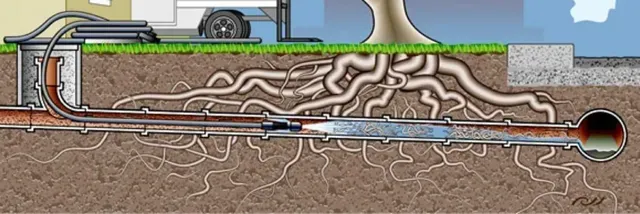
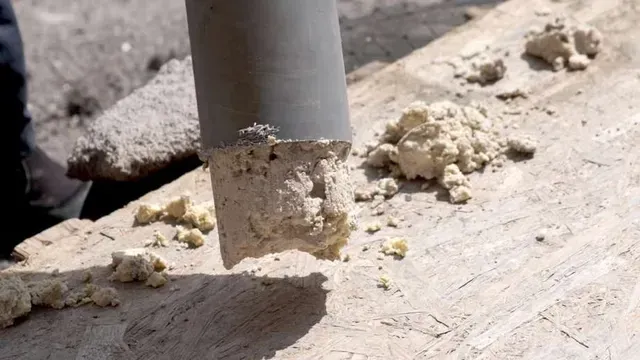
Interpreting drain camera findings requires understanding common pipe conditions and what various visual indicators signify about pipe health and function. Cracks or fractures appear as visible lines or breaks in the pipe wall, ranging from hairline cracks that may not immediately cause problems to severe fractures that compromise structural integrity and require immediate repair. Root intrusion appears as white or green root masses penetrating pipe joints or cracks, often resembling hair or fibrous material, and indicates active blockage that will worsen without treatment. Bellied pipes appear as sagging sections where wastewater and debris collect, visible as a dip in the pipe line where water pools and solids accumulate. Joint failures appear as gaps or misalignment between pipe sections, often allowing root intrusion and leakage. Buildup and scale accumulation appear as concentric layers on pipe walls, reducing diameter and restricting flow, typically from grease, soap scum, or mineral deposits. Collapsed pipes appear as complete breaks or flattening where the pipe has lost structural integrity and flow is blocked. Corrosion appears as pitting, discoloration, or thinning of pipe walls, particularly in cast iron or steel pipes. Understanding these visual indicators enables homeowners to comprehend the nature of their plumbing problems, evaluate repair recommendations critically, and make informed decisions about addressing issues.
The Professional Repair Process Based on Camera Findings
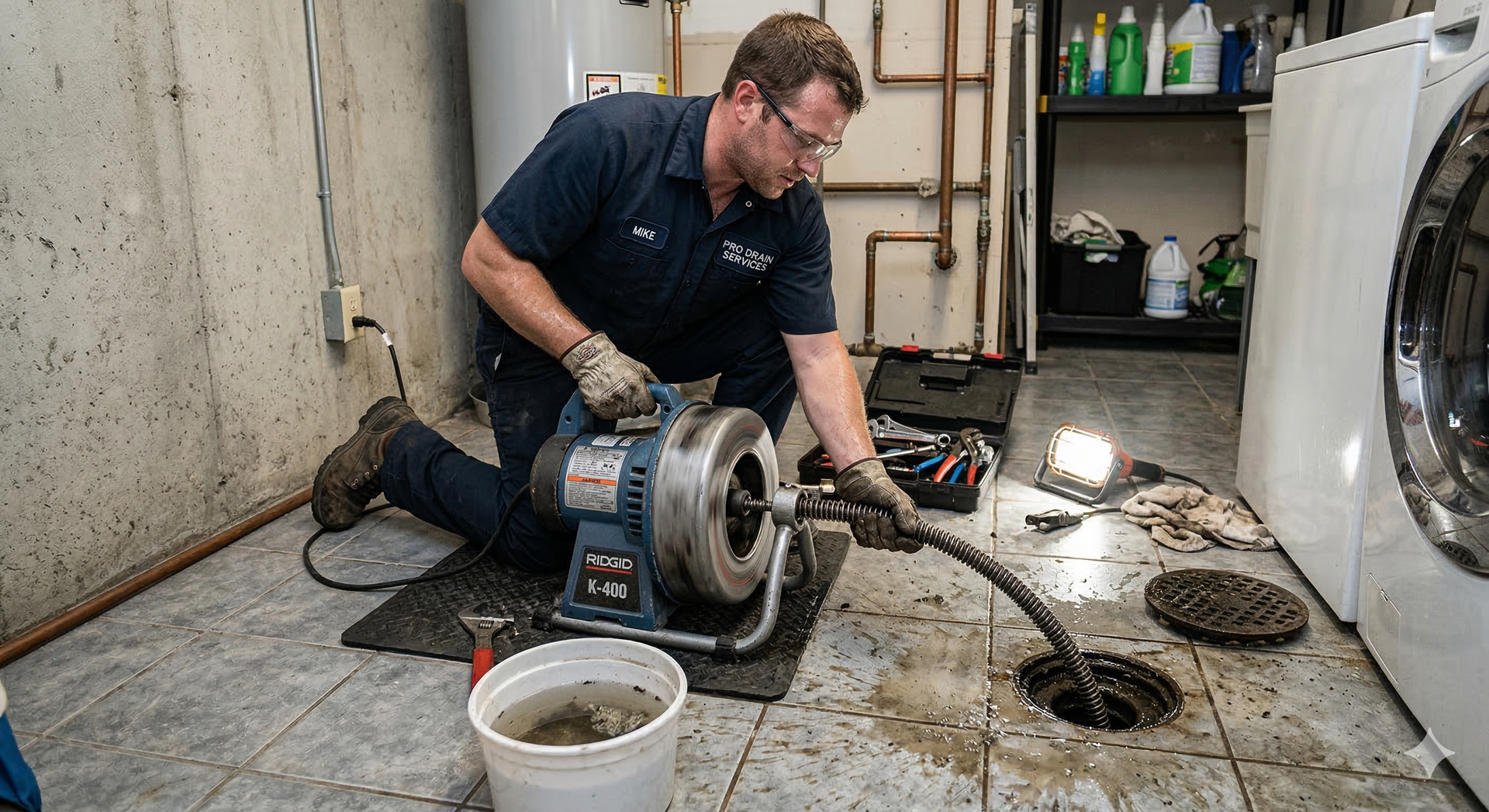
Once drain camera inspection identifies problems, the professional repair process follows a systematic approach tailored to the specific issue discovered. For minor blockages from buildup or debris, professional drain cleaning using high-pressure water jetting or mechanical augering removes the obstruction and restores flow. For root intrusion, technicians may use mechanical root cutting to remove roots temporarily, followed by chemical root inhibitor application to slow regrowth, though permanent resolution typically requires pipe repair or replacement. For cracked or fractured pipes, repair options include traditional excavation and pipe replacement, trenchless pipe bursting that breaks the old pipe while pulling new pipe into place, or trenchless pipe lining that inserts an epoxy-coated liner to create a new pipe within the old one. For bellied pipes, correction typically requires excavation to regrade the pipe and restore proper slope, as trenchless methods cannot correct slope issues. For joint failures, repair may involve excavating and replacing failed joints or using trenchless lining to seal joints permanently. For collapsed pipes, replacement is typically necessary, either through traditional excavation or trenchless pipe bursting. Reputable companies like All City Plumbers employ technicians trained in all repair methods, ensuring proper method selection based on camera findings, optimal repair execution, and lasting results that restore function and prevent recurrence.
Leak Isolation Techniques During Drain Line Emergencies
Leak isolation is critical during drain line emergencies to prevent extensive contamination, property damage, and health hazards while repairs are scheduled. When a drain line failure is detected, immediately stop using all water fixtures throughout the home to prevent additional wastewater from flowing through the damaged section. Avoid flushing toilets, running sinks, showers, dishwashers, or washing machines, as this adds volume to the damaged line and increases the risk of backups into the home. If possible, locate and close the main cleanout cap to prevent wastewater from escaping through the cleanout opening, though this should only be done if you are certain the line is blocked downstream and not at the cleanout. For severe backups where sewage has entered the home, contain the affected areas by blocking doorways with towels or plastic sheeting to prevent spread, and avoid contact with sewage due to health hazards from bacteria and pathogens. Effective isolation not only prevents additional contamination but also creates a safer working environment for repair crews and reduces the extent of damage to flooring, walls, personal property, and landscaping. In cases where sewage has contaminated areas, professional remediation may be necessary to properly clean and disinfect affected surfaces. Prompt and proper isolation limits the scope of contamination, reduces health risks, and minimizes overall repair and restoration costs during drain line emergencies.
Temporary Patching Methods for Drain Line Issues
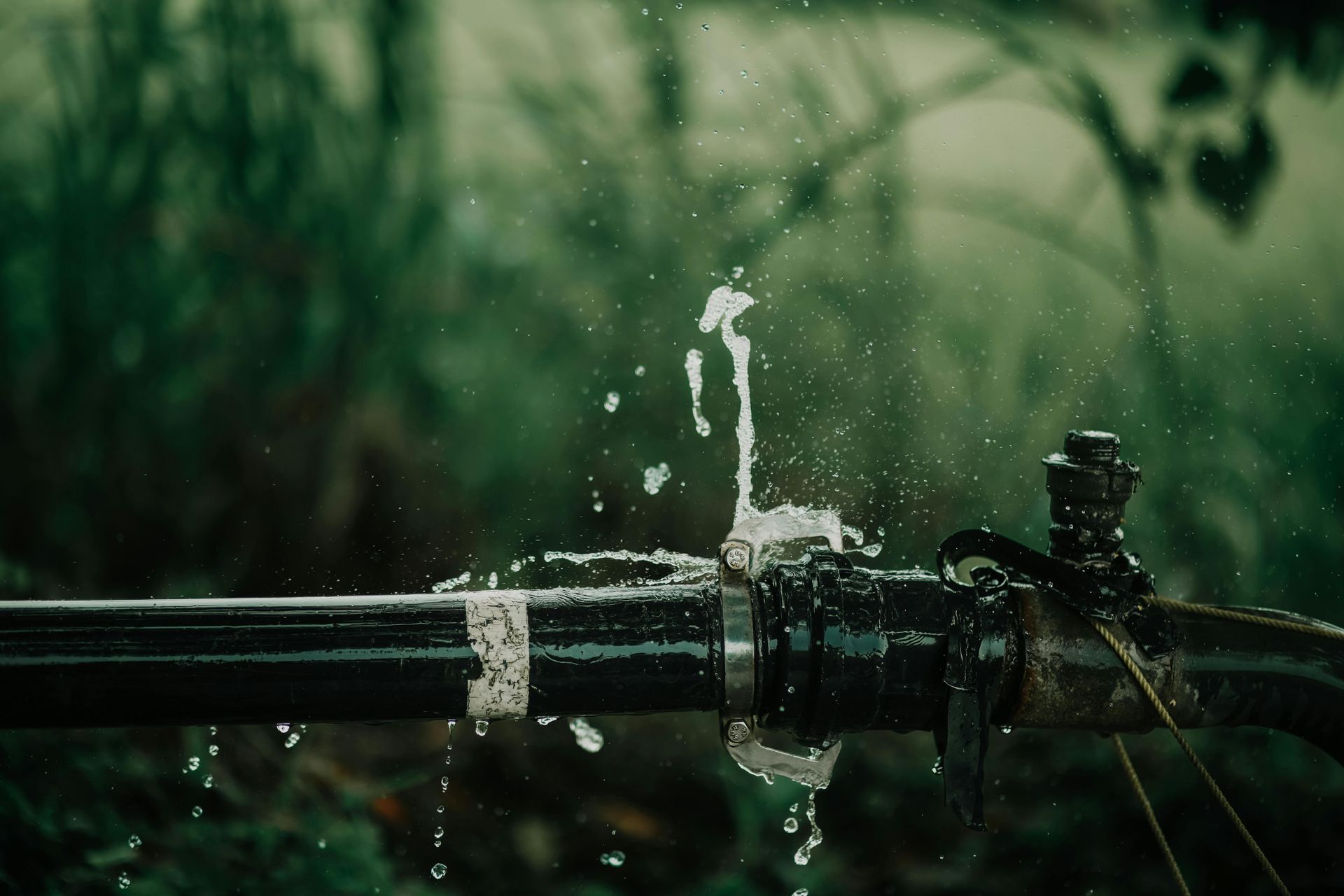
Temporary patching methods for drain line issues are limited due to the nature of drain lines carrying wastewater under gravity flow, but some options exist for stabilizing situations until professional repairs are completed. For minor leaks at cleanout connections or accessible joints, tightening connections or replacing gaskets may temporarily stop seepage. For small cracks in accessible pipe sections above ground, waterproof epoxy or hydraulic cement may temporarily seal the leak, though these patches are not reliable for long-term use and may fail under soil movement or pressure. For minor blockages causing slow drainage, using a plunger, drain snake, or mechanical auger may temporarily clear the obstruction and restore flow, though underlying problems such as root intrusion or bellied pipes will cause recurrence. These temporary measures are particularly valuable during weekends or after hours when professional repair services may be unavailable, but they should be followed by professional repair as soon as possible. In most cases, particularly when drain lines have collapsed, are severely damaged, or have extensive root intrusion, temporary patches are not effective, and immediate professional intervention is necessary. Attempting to patch a failed drain line rather than arranging proper repair risks severe contamination, health hazards, extensive property damage, and significantly higher costs. Recognizing when to use the best tools for garbage disposal to prevent clogs from reaching the main drain line is an important preventative measure that reduces the likelihood of drain line emergencies requiring camera inspection and repair.
Long-Term Maintenance Strategies for Drain Line Health
Implementing long-term maintenance strategies is essential for preventing drain line problems, extending pipe lifespan, and minimizing the likelihood of costly repairs or emergency calls. Schedule periodic video camera inspections every one to two years to identify early signs of damage, root intrusion, bellied sections, or buildup before they become critical problems. Early detection enables less invasive and less costly repairs compared to addressing complete failures. Avoid disposing of grease, oil, wipes, feminine hygiene products, paper towels, coffee grounds, or other non-flushable materials down drains, as these accumulate in drain lines and cause blockages that stress pipes and invite root intrusion. Use enzyme-based drain cleaners monthly to break down organic buildup without damaging pipes, avoiding harsh chemical drain cleaners that can corrode pipes over time. Maintain proper landscaping by planting trees and shrubs at least ten feet away from drain lines to prevent root intrusion, and remove existing trees that are too close if root intrusion becomes a recurring problem. Install hair catchers in shower and bathtub drains, and use sink strainers to prevent food particles and debris from entering drain lines. Use the best tools for garbage disposal to properly maintain your disposal unit and prevent food waste from accumulating in drain lines, including regular cleaning with cold water and ice cubes, avoiding fibrous or hard materials, and running the disposal regularly to prevent buildup. Proper long-term maintenance prevents problems, extends the life of your drain lines, reduces the frequency of costly emergency repairs, and ensures reliable drainage function.
When to Call Professional Plumbing Services for Drain Issues
Knowing when to call professional plumbing services for drain issues prevents minor problems from escalating and ensures proper diagnosis and repair. Professional assistance is necessary when you experience recurring clogs despite attempting clearing methods, when multiple fixtures are backing up simultaneously indicating main line problems, when sewage odors emerge from drains suggesting sewer line issues, when you notice slow drainage throughout the house, when you suspect tree root intrusion based on older trees near your sewer line, when drain camera inspection reveals cracks, collapses, bellied pipes, or significant damage, or when you lack the tools, knowledge, or physical ability to safely inspect and repair drain lines. Professional plumbers have specialized equipment including drain cameras, high-pressure water jetters, motorized augers, and pipe locators that enable accurate diagnosis and effective repair. They also possess the expertise to identify complex issues such as inadequate pipe slope, improper installation, code violations, or systemic problems that require comprehensive solutions. Delaying professional intervention allows problems to worsen, potentially leading to extensive water damage, mold growth, health hazards from sewage exposure, structural deterioration, and significantly higher repair costs.
Conclusion
Understanding how to use a drain camera and what homeowners should know about drain camera inspection empowers you to make informed decisions about plumbing maintenance, diagnosis, and repair. Drain camera inspection provides invaluable visualization of pipe conditions, enabling accurate problem identification, appropriate repair method selection, and verification that repairs are completed correctly. The professional repair process, leak isolation techniques, and temporary patching methods provide tools for addressing problems effectively when they occur, while knowing how to use the best tools for garbage disposal and maintaining drain lines proactively reduces the likelihood of emergencies requiring camera inspection.
Long-term maintenance strategies including periodic video camera inspections, proper drain use, landscaping management, and regular cleaning create a comprehensive approach to drain line care that prevents failures, extends pipe lifespan, and minimizes the likelihood of costly emergency repairs. By understanding drain camera inspection, interpreting findings correctly, responding promptly to warning signs, and maintaining your drain lines proactively, you protect your home from extensive property damage, health hazards, and financial burden, ensuring peace of mind and reliable drainage function for years to come.