How Plumbing Venting Problems Cause Slow Drains?
Plumbing vent systems are essential but often overlooked components of residential drainage that regulate air pressure within drain pipes and enable wastewater to flow smoothly. These vent pipes extend from drain lines through the roof, allowing air to enter the plumbing system and preventing negative pressure that would otherwise impede water flow. When venting problems occur, such as blocked vents, improperly sized vents, or missing vent connections, negative pressure builds up in drain lines, creating airlocks that slow or completely stop wastewater movement. This pressure imbalance causes water to drain slowly, creates gurgling sounds as air fights to enter through fixtures, and can even siphon water from P-traps, allowing sewer gases to enter the home. Understanding how venting problems cause slow drains enables homeowners to identify the root cause rather than mistakenly addressing symptoms with unnecessary drain cleaning.
The Physics of Air Pressure in Drainage Systems
The physics of air pressure in drainage systems explains why venting problems directly cause slow drains. When water flows down a drain pipe, it displaces air ahead of it, creating a need for air to enter behind the flowing water to fill the void. Properly functioning vent pipes supply this air freely, maintaining neutral pressure and allowing water to flow unimpeded. When vents are blocked or inadequate, air cannot enter the system, creating negative pressure that resists water flow. This negative pressure acts like a vacuum, pulling back against flowing water and slowing its movement through pipes. The effect is most noticeable in fixtures far from the main vent stack, where pressure imbalances are greatest. Slow drains from venting problems typically affect multiple fixtures simultaneously, particularly when multiple fixtures are used at the same time, as the combined water flow exacerbates the pressure imbalance. Gurgling sounds occur when air finally finds a path through a fixture drain, creating bubbles as it fights against flowing water. Recognizing these pressure-related symptoms helps distinguish venting problems from simple clogs.
Common Causes of Plumbing Vent Blockages
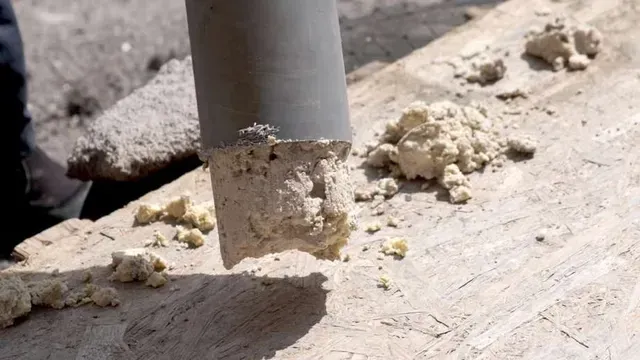
Several common causes lead to plumbing vent blockages that result in slow drains, and understanding these causes enables preventative measures and effective repairs. Bird nests are among the most frequent vent obstructions, as birds seek sheltered locations on rooftops and often build nests inside exposed vent pipes, completely blocking airflow. Small mammals such as squirrels, raccoons, and rats also enter vent pipes seeking warmth and shelter, becoming trapped or creating blockages with nesting materials. Debris including leaves, twigs, pine needles, and dirt accumulates in vent openings over time, gradually restricting airflow until drains begin slowing. Ice and snow block vent openings during winter months in cold climates, temporarily blocking airflow until temperatures rise. Moss and vegetation growth can invade vent pipes, particularly in shaded or damp areas, creating organic blockages. Installations errors such as vent pipes terminating too low, improper slope, or missing rain caps allow debris and water entry that leads to blockages. Understanding these common causes helps homeowners implement preventative measures such as installing proper vent caps, maintaining roof clearance from trees, and scheduling periodic vent inspections.
Symptoms That Indicate Venting Problems Rather Than Clogs
Recognizing symptoms that indicate venting problems rather than simple clogs prevents misdiagnosis and unnecessary drain cleaning or professional service calls. Slow drains affecting multiple fixtures simultaneously, particularly when the problem worsens when multiple fixtures are used together, strongly suggests venting issues rather than isolated clogs. Gurgling sounds from drains, toilets, or sinks when water is flowing indicate air pressure imbalances as air fights to enter through fixture traps. Siphoning of P-traps occurs when negative pressure pulls water out of traps, leaving them dry and allowing sewer gases to enter the home, which manifests as recurring sewage odors without an obvious source. Toilets that bubble or freak when nearby sinks or showers are used indicate pressure imbalances in the vent system. Slow drainage that persists despite attempted clearing methods such as plunging, snaking, or chemical cleaners suggests the problem is not a clog but rather venting. Water backing up in one fixture when another is used, such as sewage appearing in a shower when a toilet is flushed, indicates venting problems causing pressure imbalances throughout the system. Recognizing these symptoms guides appropriate diagnosis and repair rather than wasted effort on ineffective clog-clearing methods.
The Professional Repair Process for Venting Problems
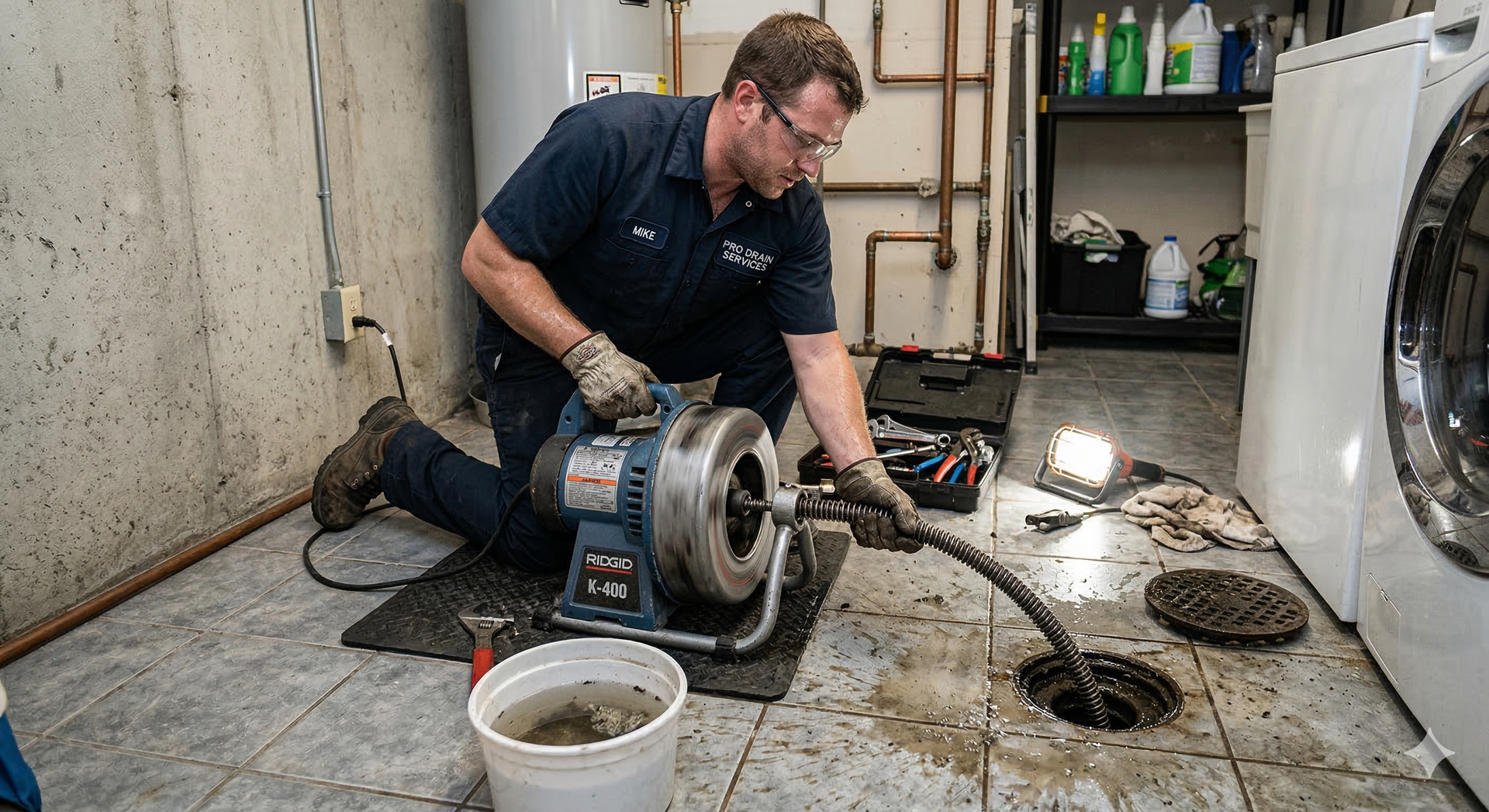
When venting problems are diagnosed, the professional repair process follows a systematic approach designed to clear blockages, restore proper airflow, and prevent recurrence. Technicians begin by inspecting accessible vent openings on the roof, removing debris, bird nests, or other obstructions manually or with specialized tools such as vent snakes or high-pressure air. For vents that cannot be visually inspected or where blockages are not accessible from the roof, technicians may use video camera inspection to locate blockages within the vent system. Once blockages are cleared, technicians verify proper airflow by testing drain performance and observing whether gurgling sounds and slow drainage improve. For improperly sized vents that do not provide adequate airflow, repair involves installing additional vent pipes or upgrading to larger diameter vent pipes to meet code requirements and provide sufficient air volume. For vent pipes with improper slope that allow water accumulation and debris collection, repair involves regrading the pipe or installing correction fittings to ensure proper drainage. For missing vent connections on fixtures, repair involves installing new vent pipes connected to the main vent stack. Reputable companies like All City Plumbers employ technicians trained in vent system diagnosis and repair, ensuring proper identification of problems, optimal repair method selection, and lasting results that restore proper drainage function.
Leak Isolation Techniques During Venting-Related Drain Issues
Leak isolation techniques during venting-related drain issues focus on preventing additional stress on the drainage system while repairs are scheduled, though traditional leak isolation is less applicable since venting problems do not typically involve active water leaks. When venting problems cause slow drains or backups, immediately reduce water usage throughout the home to minimize the volume of wastewater flowing through the compromised system. Avoid using multiple fixtures simultaneously, as combined flow exacerbates pressure imbalances and worsens drainage issues. For severe backups where sewage has entered the home, contain the affected areas by blocking doorways with towels or plastic sheeting to prevent spread, and avoid contact with sewage due to health hazards from bacteria and pathogens. If specific fixtures are experiencing the worst symptoms, temporarily stop using those fixtures entirely until repairs are completed. Effective management not only prevents additional strain on the drainage system but also creates a safer working environment for repair crews and reduces the extent of damage to flooring, walls, personal property, and landscaping. In cases where sewage has contaminated areas, professional remediation may be necessary to properly clean and disinfect affected surfaces. Prompt management limits the scope of problems, reduces health risks, and minimizes overall repair and restoration costs during venting-related drain emergencies.
Temporary Patching Methods for Venting Problems
Temporary patching methods for venting problems are limited since vent blockages typically require physical removal rather than patching, but some options exist for stabilizing situations until professional repairs are completed. For minor debris blockages accessible from the roof, manually removing leaves, twigs, or dirt from the vent opening may temporarily restore airflow and improve drainage. For bird nests or animal blockages that can be safely reached, removing the obstruction manually may provide temporary relief, though installing proper vent caps prevents recurrence. For ice blockages during winter, pouring warm water over the vent opening or using a heating cable may temporarily melt ice and restore airflow until temperatures rise naturally. These temporary measures are particularly valuable during weekends or after hours when professional repair services may be unavailable, but they should be followed by professional inspection and repair as soon as possible to ensure thorough clearance and prevent recurrence. In most cases, particularly when blockages are deep within vent pipes, inaccessible from the roof, or caused by structural issues, temporary measures are not effective, and immediate professional intervention is necessary. Attempting to address venting problems with temporary measures rather than proper repair risks persistent slow drains, continued pressure imbalances, P-trap siphoning, and sewer gas exposure. Using the best tools for garbage disposal and maintaining clear drains reduces the likelihood of confusing venting problems with clogs, enabling more accurate diagnosis.
Long-Term Maintenance Strategies for Vent System Health
Implementing long-term maintenance strategies is essential for preventing vent blockages, maintaining proper airflow, and ensuring reliable drainage function. Schedule annual roof inspections that include visual inspection of all vent openings, removing debris, checking for damage, and verifying that vent caps are properly installed and functional. Install quality vent caps with mesh screening to prevent bird and animal entry while allowing free airflow, ensuring caps are properly sized for vent pipe diameter anddo not restrict airflow. Maintain proper roof clearance from trees by trimming branches that overhang the roof, reducing debris accumulation and preventing animals from accessing vent pipes. After heavy storms or high winds, check vent openings for accumulated debris such as leaves, twigs, or dirt, and remove as necessary. In cold climates, monitor vent pipes during winter for ice accumulation and take preventative measures such as installing heating cables or improving insulation to prevent ice blockages. For homes with recurring vent problems, consider installing additional vent pipes or air admittance valves to provide adequate airflow and reduce pressure imbalances. Proper long-term maintenance prevents blockages, maintains vent system function, reduces the frequency of slow drains and drainage problems, and extends the life of the plumbing system.
When to Call Professional Plumbing Services for Venting Issues
Knowing when to call professional plumbing services for venting issues prevents persistent problems from continuing and ensures proper diagnosis and repair. Professional assistance is necessary when slow drains persist despite attempted clearing methods, when multiple fixtures are affected simultaneously indicating system-wide pressure problems, when gurgling sounds occur consistently across multiple drains, when sewage odors persist suggesting P-trap siphoning, when vent blockages are inaccessible from the roof or require specialized equipment to clear, when vent pipes require regrading, resizing, or additional installation, when you lack the tools, knowledge, or physical ability to safely access roof vents, or when repeated DIY attempts fail to resolve drainage problems. Professional plumbers have specialized equipment including vent snakes, video cameras, air pressure testing devices, and roof safety equipment that enable accurate diagnosis and effective repair. They also possess the expertise to identify complex issues such as inadequate vent sizing, improper vent placement, code violations, or systemic problems that require comprehensive solutions. Delaying professional intervention allows problems to persist, potentially leading to persistent slow drains, sewage gas exposure, P-trap damage, and ongoing inconvenience. Recognizing when venting problems require professional help rather than continued drain cleaning saves time, money, and frustration while ensuring proper resolution.
Conclusion
Plumbing venting problems cause slow drains through pressure imbalances that resist water flow, creating airlocks that impede drainage and produce characteristic symptoms such as gurgling sounds, multiple fixture involvement, and P-trap siphoning. Understanding the physics of air pressure in drainage systems, recognizing common causes of vent blockages, and identifying symptoms that distinguish venting problems from simple clogs enables accurate diagnosis and appropriate repair rather than ineffective drain cleaning. The professional repair process, leak isolation techniques, and temporary patching methods provide tools for addressing problems effectively when they occur, while using the best tools for garbage disposal and maintaining clear drains reduces confusion between venting problems and clogs.
Long-term maintenance strategies including annual vent inspections, proper vent cap installation, tree trimming, debris removal, and monitoring for ice blockages create a comprehensive approach to vent system care that prevents blockages, maintains proper airflow, and ensures reliable drainage function. By understanding how venting problems cause slow drains, recognizing symptoms accurately, responding promptly to warning signs, and maintaining vent systems proactively, you protect your home from persistent drainage problems, sewage gas exposure, and ongoing inconvenience, ensuring peace of mind and reliable drainage function for years to come.