Comparing PEX vs. Copper vs. CPVC for Waterlines
Selecting the right material for residential waterlines is one of the most critical decisions in plumbing system design, renovation, or repair, as it affects performance, longevity, cost, and maintenance requirements. The three primary materials used for waterlines today are PEX (cross-linked polyethylene), copper, and CPVC (chlorinated polyvinyl chloride), each offering distinct advantages and disadvantages. Copper has been the industry standard for decades, prized for its durability, resistance to corrosion, and ability to handle high temperatures. PEX has gained tremendous popularity in recent years due to its flexibility, ease of installation, corrosion resistance, and cost-effectiveness. CPVC offers a budget-friendly alternative with good heat resistance and straightforward installation using solvent welding. Understanding the characteristics of each material enables homeowners, contractors, and builders to make informed decisions that match their specific needs, budget constraints, and local code requirements.
Cost Comparison and Installation Considerations
Cost is a primary factor when comparing PEX, copper, and CPVC waterline materials, with significant differences affecting both material expenses and installation labor. PEX is typically the most cost-effective option, with material costs ranging from fifty to seventy percent lower than copper, and installation requiring less labor time due to its flexibility and simpler connection methods. PEX can be run in long continuous lengths with fewer fittings, reducing potential leak points and material waste. Copper is the most expensive option, with material costs subject to market fluctuations and often significantly higher than plastic alternatives. Copper installation requires soldering skills, more time, and additional materials such as flux and solder, increasing labor costs. CPVC falls between PEX and copper in terms of cost, offering lower material prices than copper but slightly higher than PEX. CPVC installation uses solvent welding, which is simpler than soldering but requires proper curing time and ventilation. When budget is a primary concern, PEX offers the best value, while copper provides premium performance at a higher price point. CPVC serves as a middle ground for those seeking cost savings without sacrificing all the benefits of traditional materials.
Durability and Longevity Across Different Materials
Durability and longevity are critical considerations when selecting waterline materials, as they determine how long the plumbing system will perform reliably before requiring waterline repair and replacement. Copper pipes typically last fifty to seventy years or more when installed correctly, offering excellent resistance to corrosion, UV degradation, and temperature extremes. However, copper can be susceptible to pinhole leaks in areas with aggressive water chemistry, particularly when water has low pH or high chlorine content. PEX boasts a lifespan of forty to fifty years, with resistance to scale buildup, corrosion, and freeze damage due to its flexibility, which allows it to expand slightly when water freezes rather than cracking. PEX is not suitable for outdoor use or exposed to ultraviolet light, which causes degradation over time. CPVC generally lasts fifty to seventy years, with good resistance to corrosion and chemical degradation, but it can become brittle over time, especially when exposed to heat or UV light. CPVC is more prone to cracking under physical stress compared to copper or PEX. Each material offers substantial longevity when properly installed and maintained, but environmental conditions and local water chemistry should influence the final selection.
Flexibility and Installation Methods Compared
Flexibility and installation methods significantly differentiate PEX, copper, and CPVC waterlines, affecting ease of installation, labor requirements, and suitability for different applications. PEX is highly flexible, allowing it to bend around corners without fittings, which reduces installation time, material costs, and potential leak points. PEX uses crimp, clamp, or expansion connection methods with specialized tools, enabling quick and reliable joints that do not require heat or open flames. The flexibility of PEX makes it ideal for retrofitting existing homes, as it can be fished through walls and floors with minimal disruption. Copper is rigid and requires fittings for every change in direction, increasing the number of potential leak points and installation complexity. Copper installation requires soldering with open flames, which demands skill, proper ventilation, fire safety precautions, and permits in some jurisdictions. Copper pipes must be cut precisely and deburred before soldering, adding time to the installation process. CPVC is rigid like copper but uses solvent welding for connections, which is simpler than soldering and does not require open flames. CPVC must be cut with a pipe cutter and dry-fit before applying solvent cement, which cures quickly and creates strong joints. PEX offers the easiest installation, copper requires the most skill, and CPVC falls in between.
Temperature and Pressure Performance Ratings
Temperature and pressure performance ratings determine how well waterline materials handle hot water, cold water, and system pressure fluctuations, affecting suitability for different applications. Copper handles high temperatures exceptionally well, with a maximum operating temperature of 200 degrees Fahrenheit and pressure ratings up to 400 psi at room temperature, making it suitable for both hot and cold water distribution and commercial applications. Copper maintains its strength and integrity under extreme conditions, though thermal expansion can cause stress on joints over time. PEX has a maximum operating temperature of 200 degrees Fahrenheit for short periods and 180 degrees Fahrenheit continuously, with pressure ratings of 80 to 100 psi depending on the temperature, which is sufficient for most residential applications. PEX handles thermal expansion better than rigid materials due to its flexibility, reducing stress on fittings and connections. CPVC has a maximum operating temperature of 200 degrees Fahrenheit and pressure ratings of 400 psi at 73 degrees Fahrenheit, decreasing to 100 psi at 180 degrees Fahrenheit, making it suitable for both hot and cold water in residential settings. CPVC becomes more brittle at extreme temperatures and may crack under physical stress. All three materials meet code requirements for residential water distribution, but copper offers the highest performance margin for demanding applications.
The Professional Repair Process for Different Waterline Materials
When waterline problems occur, the professional repair process varies significantly depending on the material, affecting repair complexity, time, and cost. For copper pipes, technicians assess the extent of damage, isolate the affected section, cut out damaged piping, and replace it using soldering techniques with new copper fittings. Soldering requires clean, dry surfaces, proper flux application, and careful heat control to create leak-free joints. For PEX repairs, technicians isolate the section, cut out damaged piping, and install new PEX using crimp, clamp, or expansion fittings with specialized tools. PEX repairs are faster and do not require heat, making them safer and more convenient. For CPVC repairs, technicians cut out damaged piping and replace it using solvent welding with new CPVC fittings and cement. CPVC repairs require proper curing time and ventilation during the solvent welding process. When extensive damage occurs or the system is aging, waterline repair and replacement may involve replacing entire sections or the full system rather than isolated repairs. Reputable companies like All City Plumbers employ technicians trained in all three materials, ensuring proper repair techniques, code compliance, and lasting results regardless of the waterline material in your home.
Leak Isolation Techniques for Waterline Emergencies
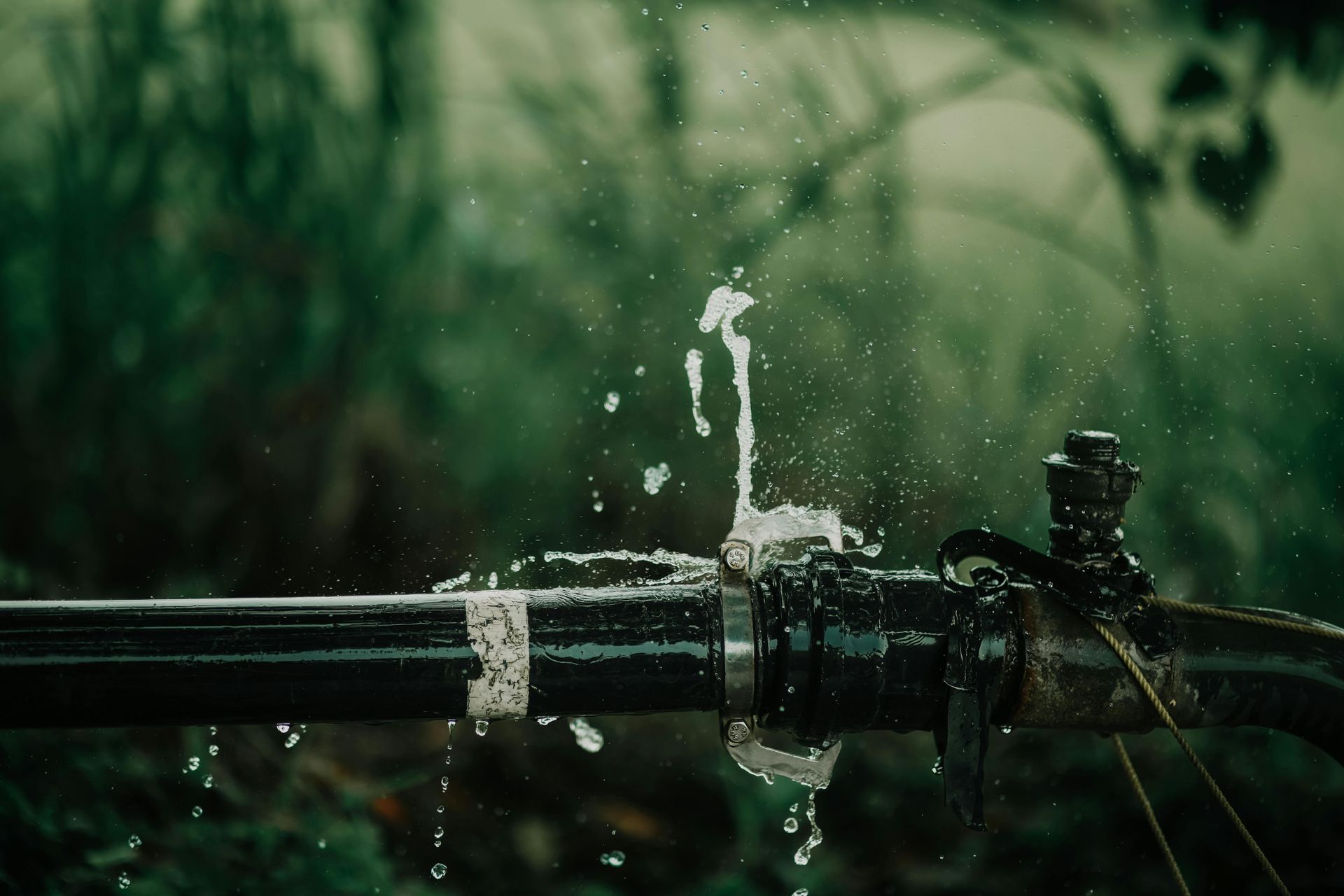
Leak isolation is a critical initial step in managing waterline emergencies, regardless of whether the system uses PEX, copper, or CPVC, and it prevents extensive water damage while repairs are scheduled. When a leak is detected, immediately shut off the water supply to the affected area or the entire building, depending on the severity and location of the leak. For localized leaks, isolation valves may be used to contain the problem to a specific fixture or section of pipe, while major failures require shutting off the main water supply. In copper systems, corrosion at joints or pinhole leaks in pipe sections are common failure points, requiring careful isolation to prevent further damage. PEX systems typically leak at fittings rather than along the pipe itself, and isolating the affected branch line usually suffices. CPVC systems may leak at joints due to improper solvent welding or crack along the pipe due to physical stress or brittleness. Effective isolation not only stops water flow but also creates a safer working environment for repair crews and reduces the risk of secondary damage to flooring, walls, electrical systems, and personal property. Prompt and proper isolation limits the scope of damage and reduces overall repair costs during waterline emergencies.
Temporary Patching Methods for Waterline Leaks
Temporary patching methods provide immediate relief during waterline emergencies and can stabilize the situation until permanent repairs are scheduled, though effectiveness varies by material. For copper pipes, copper repair tape or epoxy putty can seal small pinhole leaks temporarily by creating a watertight barrier over the damaged area. Rubber repair clamps with hose liner can be wrapped around small cracks or holes in copper and tightened to stop water flow. For PEX pipes, placing a rubber repair clamp over the leak and tightening it can stop water flow temporarily, though PEX repairs are often best addressed by cutting out and replacing the damaged section due to the ease of PEX installation. For CPVC pipes, wrapping the leak area with waterproof plumbing tape or applying waterproof epoxy around cracks may temporarily stop seepage, though CPVC's brittleness makes it prone to cracking further under stress. These temporary measures are particularly valuable during weekends or after hours when professional repair services may be unavailable. However, temporary patches are not permanent solutions, and high temperatures or pressure fluctuations can cause epoxy and tape to fail, so professional repair should follow as soon as possible. In some cases, particularly with CPVC or severely corroded copper, temporary patches may not be effective, and immediate professional intervention is necessary.
Long-Term Maintenance Strategies for Waterline Health
Implementing long-term maintenance strategies is essential for maximizing waterline lifespan, preventing leaks, and maintaining system integrity regardless of the material used. Regular inspections of exposed piping, joints, and connections help identify early signs of corrosion, wear, or potential failure before they become critical problems. For copper pipes, monitor water pH levels and consider installing water treatment systems if water is acidic, as acidic water accelerates corrosion and pinhole leak formation. Check for signs of green corrosion on copper fittings, which indicates oxidation and potential weakness. For PEX systems, inspect exposed piping for UV damage if installed in areas with sunlight exposure, and ensure fittings are properly crimped or clamped without over-tightening. PEX is resistant to scale buildup, but periodic flushing of the system removes sediment that can accumulate in fixtures and appliances. For CPVC pipes, check for signs of brittleness, cracking, or discoloration, particularly in areas exposed to heat or UV light. CPVC joints should be inspected for signs of failure or leakage. Maintain proper water pressure throughout the system, ideally between 40 and 80 psi, to reduce stress on pipes and fittings. Install pressure reducing valves if pressure exceeds recommended levels. Proper long-term maintenance prevents problems, extends the life of your waterline system, and reduces the frequency of costly emergency repairs.
When to Call Professional Plumbing Services for Waterline Issues
Knowing when to call professional plumbing services for waterline issues prevents minor problems from escalating and ensures proper diagnosis and repair. Professional assistance is necessary when you discover active leaks that you cannot safely isolate or repair, when extensive corrosion affects multiple sections of copper piping, when PEX fittings show signs of failure or leakage at multiple points, when CPVC pipes become brittle and crack frequently, when water pressure drops significantly indicating potential blockages or system failures, when you suspect frozen pipes that may have burst, or when you lack the tools, knowledge, or physical ability to safely access and repair waterlines. Professional plumbers have specialized equipment including pipe locators, pressure testing devices, leak detection equipment, and material-specific tools that enable accurate diagnosis and effective repair. They also possess the expertise to identify complex issues such as inadequate pipe sizing, improper installation, code violations, or systemic problems that require comprehensive solutions. Recognizing when a garbage disposal clog needs an emergency plumber often coincides with recognizing when waterline issues require urgent attention, as both can lead to water damage and disruption if delayed. Delaying professional intervention allows problems to worsen, potentially leading to extensive water damage, mold growth, structural deterioration, and significantly higher repair costs.
Conclusion
Comparing PEX, copper, and CPVC for waterlines reveals distinct advantages and trade-offs that affect cost, installation, durability, performance, and maintenance requirements. PEX offers the best value with low cost, easy installation, flexibility, and corrosion resistance, making it the preferred choice for new construction and retrofits. Copper provides premium performance with exceptional durability, high temperature and pressure tolerance, and a proven track record, though at a higher cost and with more complex installation. CPVC serves as a budget-friendly alternative with good heat resistance and straightforward installation, though it is more prone to brittleness and cracking over time.
Choosing the right waterline material depends on your budget, local code requirements, water chemistry, climate conditions, and long-term maintenance preferences. Understanding the professional repair process, leak isolation techniques, and temporary patching methods empowers you to address problems effectively and know when professional intervention is necessary. By selecting the appropriate material for your specific needs and maintaining it proactively, you ensure reliable water service, prevent costly emergencies, and protect your home for years to come.