How Often Should You Replace Washing Machine Hoses?
Washing machine hoses are small but critical components that connect your washing machine to the home's water supply, and their failure can lead to catastrophic water damage, costly repairs, and extensive property destruction. These hoses endure constant pressure, temperature fluctuations, vibration from the machine's operation, and exposure to household chemicals, all of which contribute to gradual degradation over time. Rubber hoses are particularly susceptible to cracking, bulging, and bursting, while even braided stainless steel hoses eventually wear out. Understanding how often to replace washing machine hoses, recognizing warning signs of failure, and implementing proper maintenance strategies are essential for preventing disasters that can cost thousands of dollars in water damage restoration, carpet replacement, drywall repair, and mold remediation.
Recommended Replacement Intervals for Different Hose Types
Manufacturers and plumbing professionals universally recommend replacing washing machine hoses every three to five years, regardless of whether they appear to be in good condition. This proactive replacement schedule is based on the gradual degradation that occurs internally and externally, even when no visible signs of wear are present. Rubber hoses, which are the most basic and economical option, should be replaced every three years due to their higher susceptibility to cracking, bulging, and bursting under pressure. Braided stainless steel hoses, which feature a rubber or polymer core wrapped in a stainless steel mesh, offer superior durability and should be replaced every five years. However, even braided hoses are not immune to failure, and the five-year replacement interval is a conservative guideline that accounts for varying water pressure, usage frequency, and environmental conditions. Some manufacturers of premium braided stainless steel hoses claim lifespans of up to ten years, but most plumbing professionals recommend the more conservative five-year interval to minimize risk. If your washing machine is located in an area where it is unmonitored for extended periods, such as a basement or laundry room that is rarely visited, consider replacing hoses every three years regardless of type to provide an additional safety margin.
Warning Signs That Indicate Immediate Hose Replacement
Recognizing warning signs that indicate immediate washing machine hose replacement is essential for preventing catastrophic failures between scheduled replacement intervals. Visual inspection should reveal bulging, bloating, or swelling of the hose, which indicates internal weakening and imminent failure. Cracks, cuts, abrasions, or fraying on the hose exterior, particularly near connection points, signal that the hose integrity is compromised and replacement is necessary immediately. Leakage at connection points, even minor dripping, indicates failing washers, loose connections, or deterioration at the hose ends that requires attention. Soft or mushy spots along the hose length suggest internal layer separation and weakening that will lead to bursting. Rusted or corroded metal connectors on braided hoses indicate advancing degradation that can compromise the connection. Unusual noises such as whistling, hissing, or banging during filling may indicate flow restrictions or pressure issues that stress the hoses. If your washing machine vibrates excessively during operation, this adds stress to hoses and may accelerate wear, warranting more frequent inspection and earlier replacement. Any of these warning signs necessitate immediate hose replacement, regardless of how long the hoses have been in service, to prevent catastrophic failure and water damage.
The Professional Repair Process for Hose Failure and Water Damage
When washing machine hose failure occurs, the professional repair process extends beyond simply replacing the hoses to addressing water damage and preventing recurrence. Technicians begin by shutting off the water supply to the washing machine and disconnecting the electrical power to ensure safety during the repair process. The failed hoses are removed and inspected to determine the failure mode, which may reveal underlying issues such as excessive water pressure, improper installation, or defective components. New hoses are installed using proper techniques, including hand-tightening connections followed by a quarter turn with a wrench, ensuring washers are in place and in good condition, and verifying that hoses are not kinked, twisted, or under tension. After installation, technicians test for leaks by turning on the water supply gradually and checking all connection points. If water damage has occurred, the repair process may include water extraction, drying affected areas, and assessing the extent of damage to flooring, walls, cabinetry, and personal property. In cases where hose failure has caused extensive damage affecting multiple systems or structures, professionals may coordinate with insurance companies and restoration specialists. When hose failure is part of broader plumbing system issues, such as excessive pressure requiring pressure reducing valves or old piping requiring sewer line replacement due to age and corrosion, comprehensive repairs address all problems simultaneously. Reputable companies like All City Plumbers employ technicians trained to handle hose failures efficiently, ensuring rapid response, proper installation, and lasting repairs that prevent recurrence.
Leak Isolation Techniques During Washing Machine Hose Emergencies
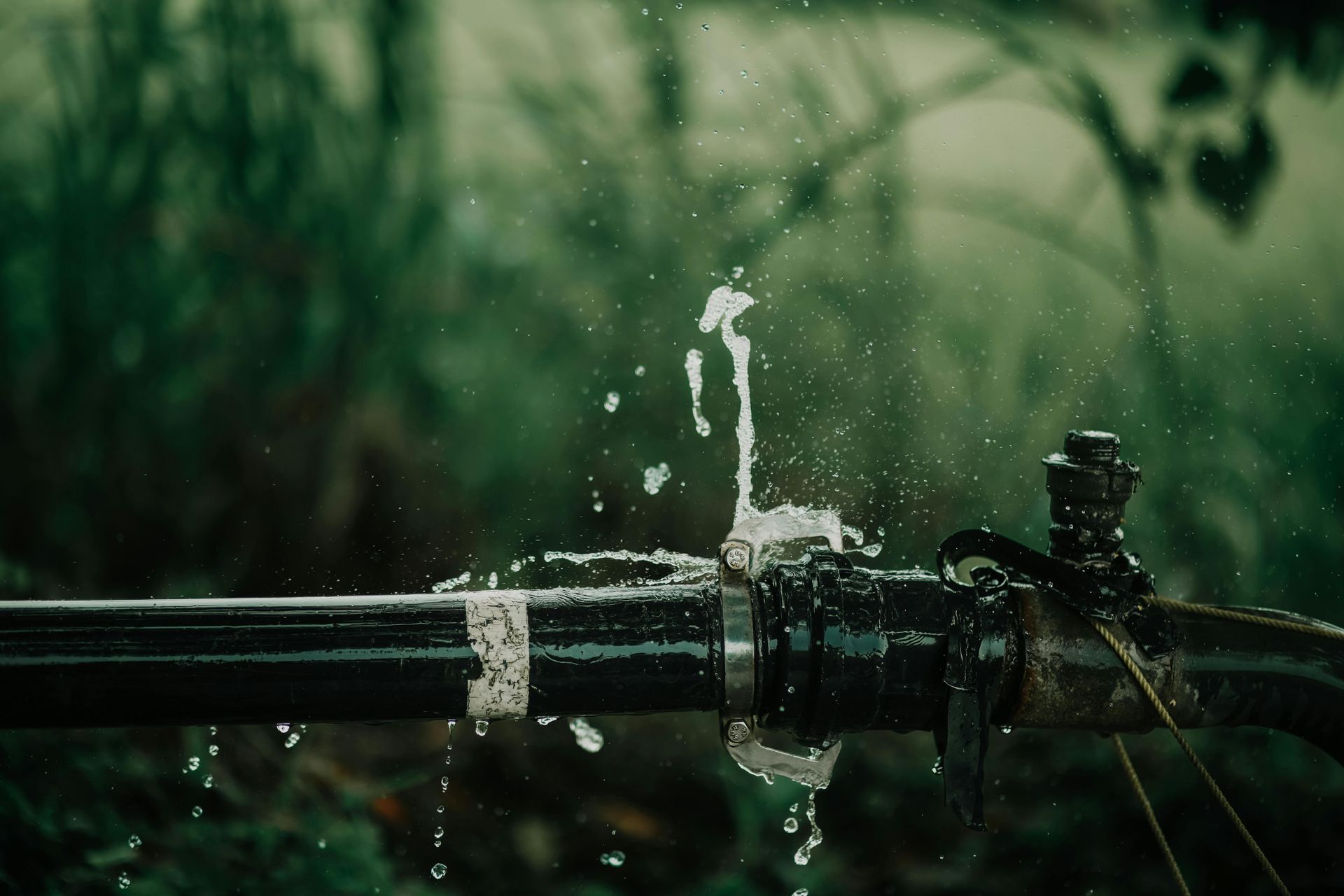
Leak isolation is critical during washing machine hose emergencies to prevent extensive water damage while repairs are scheduled, as a bursting hose can release hundreds of gallons of water in a short time. When a leak is detected, immediately shut off the water supply to the washing machine using the dedicated shut-off valves located behind or near the machine. If these valves are not accessible, not functioning, or if the hose has already burst, shut off the main water supply to the entire home to stop all water flow. For added protection, unplug the washing machine to prevent electrical hazards and avoid accidental activation during the repair process. Effective isolation not only stops water flow but also creates a safer working environment, prevents further damage to flooring, walls, electrical systems, and personal property, and allows time for proper assessment and repair. In cases where water has already accumulated, technicians may use water extraction equipment, wet vacuums, or industrial dehumidifiers to remove standing water and dry affected areas promptly, reducing the risk of mold growth and structural damage. Prompt and proper isolation limits the scope of damage and reduces overall repair costs during washing machine hose emergencies, making knowledge of shut-off valve locations and proper isolation procedures essential for all homeowners.
Temporary Patching Methods for Washing Machine Hose Leaks
Temporary patching methods can provide immediate relief during washing machine hose emergencies and can stabilize the situation until permanent hose replacement is completed, though they are not recommended as long-term solutions. For minor leaks at connection points, tightening the connection slightly or replacing the rubber washer may stop the leak temporarily. For small pinhole leaks or cracks along the hose length, wrapping the area with waterproof plumbing tape or applying waterproof epoxy may temporarily stop seepage, though these patches are unreliable under the constant pressure and vibration of washing machine operation. Rubber repair clamps can be placed over small cracks and tightened to stop water flow temporarily. However, washing machine hoses operate under constant pressure and experience vibration during operation, making temporary patches particularly unreliable and prone to failure. These temporary measures are particularly valuable during weekends or after hours when professional repair services may be unavailable, but they should be followed by immediate hose replacement as soon as possible. In most cases, particularly when hoses show signs of bulging, cracking, or significant wear, temporary patches are not effective, and immediate hose replacement is the only reliable solution. Attempting to patch a washing machine hose rather than replacing it risks catastrophic failure and extensive water damage, making replacement the safer and more cost-effective choice.
Upgrading to Braided Stainless Steel Hoses for Enhanced Protection
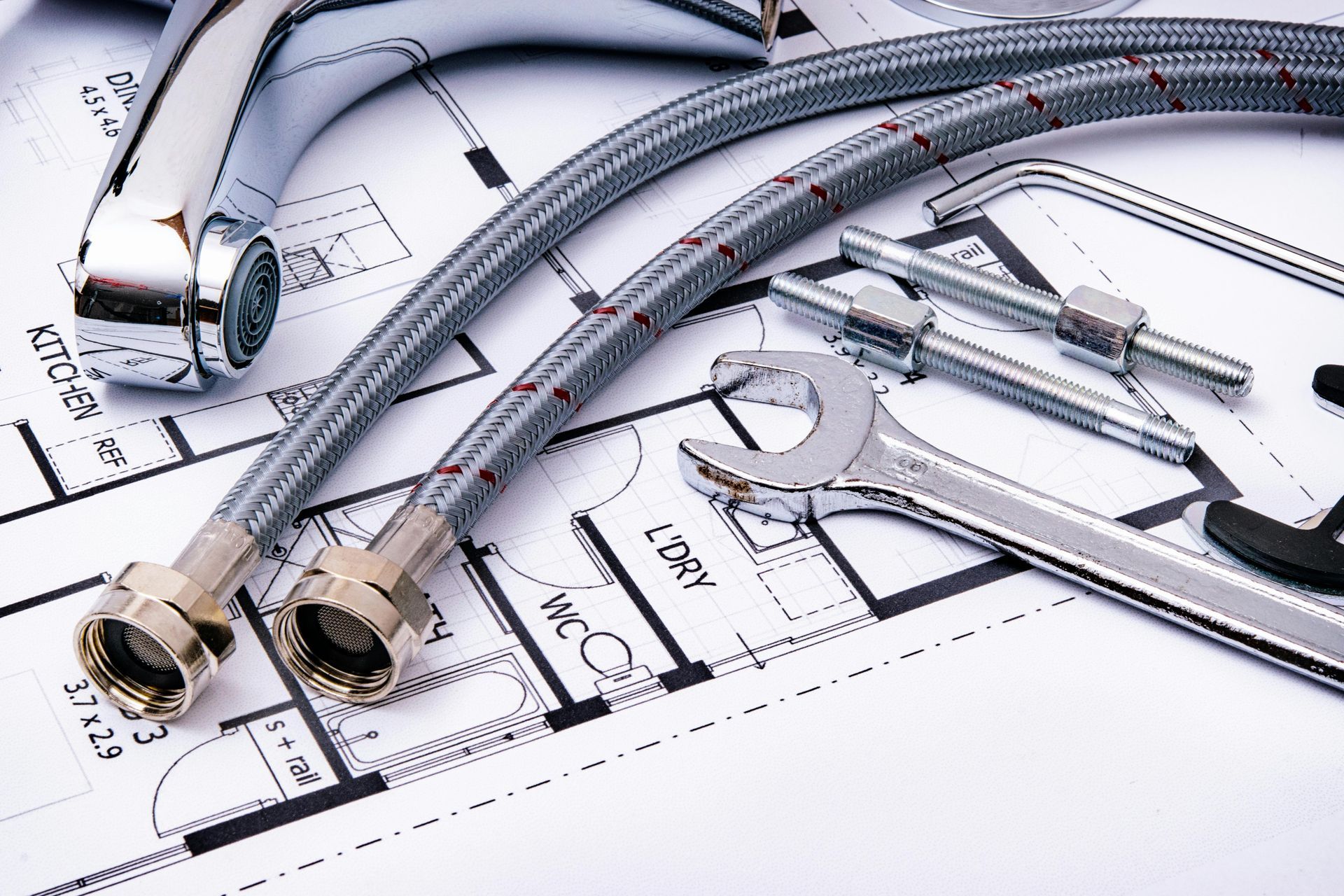
Upgrading from standard rubber hoses to braided stainless steel hoses provides enhanced protection against failure and is a recommended investment for homeowners seeking to minimize water damage risk. Braided stainless steel hoses feature a rubber or polymer core wrapped in a tightly woven stainless steel mesh, providing superior strength, resistance to bursting, and protection against abrasion and external damage. These hoses can withstand higher water pressure, are less susceptible to cracking and degradation from temperature fluctuations, and have a longer lifespan than rubber hoses. Braided stainless steel hoses are available in various lengths and configurations, including straight and coiled options, and are compatible with both hot and cold water connections. Some premium braided hoses include additional features such as reinforced connectors, burst-proof ratings, and extended warranties that provide additional peace of mind. The cost difference between rubber and braided stainless steel hoses is minimal, typically ranging from five to fifteen dollars per hose, making the upgrade a cost-effective investment that pays dividends through enhanced protection and extended lifespan. When replacing washing machine hoses, always choose braided stainless steel for superior durability and reduced risk of catastrophic failure.
Long-Term Maintenance Strategies for Washing Hose Health
Implementing long-term maintenance strategies is essential for maximizing washing machine hose lifespan, preventing failures, and detecting problems early before they result in catastrophic damage. Conduct visual inspections of washing machine hoses every three to six months, looking for warning signs such as bulging, cracking, abrasions, rust, or leaks at connection points. Feel along the hose length for soft or mushy spots that indicate internal weakening. Check that hoses are not kinked, twisted, or under tension, as these conditions stress the hose and accelerate wear. Ensure hoses are not rubbing against the washing machine, walls, or other objects that could cause abrasion. Verify that shut-off valves behind the washing machine operate smoothly and are not corroded or stuck, as functioning valves are essential for quick emergency isolation. Replace washers at connection points every time hoses are replaced to ensure proper seals and prevent leaks. Install an automatic water shut-off device that detects leaks and automatically shuts off water supply to the washing machine, providing an additional layer of protection against hose failure. These devices can detect even minor leaks and prevent catastrophic failures when you are away from home. Maintain proper water pressure throughout your home, ideally between 40 and 80 psi, to reduce stress on hoses and fittings. Install pressure reducing valves if pressure exceeds recommended levels. Proper long-term maintenance prevents problems, extends the life of your washing machine hoses, and reduces the frequency of costly emergency repairs and water damage restoration.
When to Call Professional Plumbing Services for Washing Machine Issues
Knowing when to call professional plumbing services for washing machine issues prevents minor problems from escalating and ensures proper diagnosis and repair. Professional assistance is necessary when washing machine hoses have burst and caused water damage requiring extraction and drying, when shut-off valves behind the washing machine are not functioning or are corroded, when water pressure is excessive and requires pressure reducing valve installation, when you lack the tools, knowledge, or physical ability to safely access and replace washing machine hoses, when water damage extends beyond the immediate laundry area to affect flooring, walls, or cabinetry, or when you suspect broader plumbing system issues such as excessive pressure affecting multiple fixtures. Professional plumbers have specialized equipment including water extraction tools, pressure testing devices, and proper installation tools that enable accurate diagnosis and effective repair. They also possess the expertise to identify complex issues such as inadequate water pressure, improper valve installation, or systemic problems that require comprehensive solutions. Recognizing when a garbage disposal clog needs an emergency plumber often coincides with recognizing when washing machine hose issues require urgent attention, as both can lead to water damage and disruption if delayed. Delaying professional intervention allows problems to worsen, potentially leading to extensive water damage, mold growth, structural deterioration, and significantly higher repair costs. In cases where hose failure has caused extensive damage affecting drainage systems or requiring sewer line replacement due to age and corrosion, professional coordination ensures all problems are addressed comprehensively.
Conclusion
Replacing washing machine hoses every three to five years is a critical preventative maintenance task that prevents catastrophic water damage, costly repairs, and extensive property destruction. Rubber hoses should be replaced every three years, while braided stainless steel hoses should be replaced every five years, regardless of whether they appear to be in good condition, as internal degradation occurs even when no visible signs of wear are present. Recognizing warning signs such as bulging, cracking, leaks, and soft spots enables immediate replacement before catastrophic failure occurs, and upgrading to braided stainless steel hoses provides enhanced protection and extended lifespan.
Understanding the professional repair process, leak isolation techniques, and temporary patching methods empowers you to address hose failures effectively and know when professional intervention is necessary. By implementing long-term maintenance strategies including regular visual inspections, proper water pressure management, and timely replacement, you prevent catastrophic failures, protect your home from water damage, and ensure reliable washing machine operation for years to come. Investing in quality hoses and proactive maintenance is far less costly than dealing with the aftermath of a burst hose and the extensive water damage it can cause.