Home Maintenance Tips To Extend Water Heater Life
Water heaters are among the most important yet often overlooked appliances in a home, operating continuously behind the scenes to supply reliable hot water for bathing, cooking, cleaning, laundry, and countless other daily activities. Despite their essential role, many homeowners pay little attention to their water heater until a serious problem arises, such as inconsistent temperatures, leaks, strange noises, or complete system failure. Like any mechanical and plumbing-related system, a water heater experiences gradual wear from constant heating cycles, sediment buildup, pressure fluctuations, corrosion, and mineral accumulation over time. Without proper maintenance, these stressors can steadily reduce efficiency, increase utility costs, and shorten the unit’s operational lifespan, leading to expensive emergency repairs or premature replacement. Fortunately, proactive maintenance and early intervention can dramatically improve long-term performance while reducing the likelihood of sudden breakdowns.
Extending the life of a water heater typically involves a combination of preventative care practices, regular inspections, and responsible operating habits that collectively minimize strain on the system. Tasks such as flushing sediment from the tank, inspecting the anode rod for corrosion, monitoring water pressure, checking for leaks around fittings and valves, and ensuring proper thermostat settings all contribute to healthier system operation. Homeowners who address small warning signs early—such as rumbling sounds, reduced hot water capacity, rusty water discoloration, or fluctuating temperatures—often avoid much larger structural failures later. Environmental factors like hard water, excessive pressure, poor ventilation, and neglected plumbing components can also accelerate deterioration if left unmanaged. By implementing consistent maintenance routines and seeking professional servicing when necessary, homeowners can maximize efficiency, preserve water quality, reduce energy consumption, and often extend the usable life of their water heater well beyond the standard 8 to 12-year expectancy.
Understanding Common Water Heater Issues
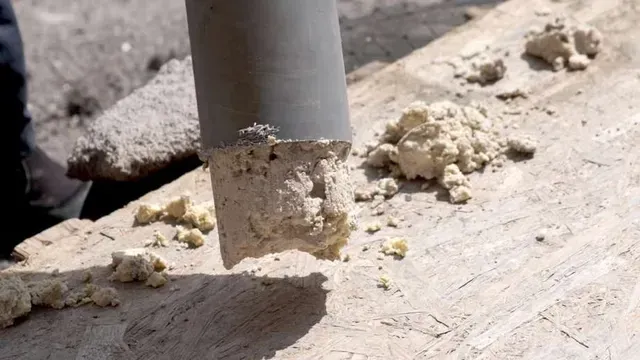
Most water heater problems stem from sediment buildup, corrosion, or pressure imbalances, which gradually degrade internal components over time. Sediment from hard water settles at the bottom of the tank, insulating the heating element and forcing it to work harder, which accelerates wear. Corrosion, often due to mineral deposits or anode rod depletion, can lead to leaks or tank rupture if ignored. Recognizing early signs such as inconsistent water temperature, strange noises like popping or rumbling, or discolored water allows for intervention before major damage occurs. Regular inspection forms the foundation of extending your water heater's life, ensuring it operates efficiently without unexpected breakdowns.
Routine Maintenance for Longevity
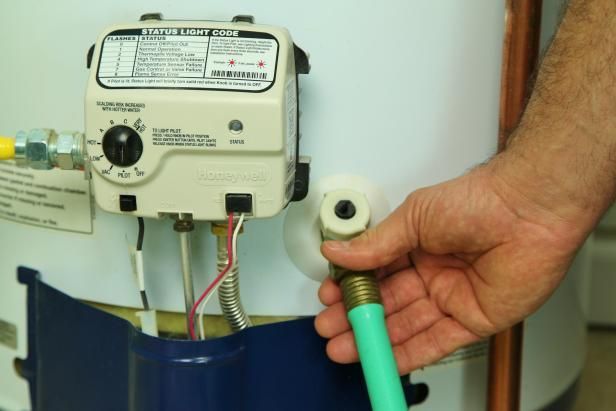
Flushing the tank annually removes sediment and maintains efficiency, a simple process that involves shutting off the power or gas, connecting a hose to the drain valve, and flushing until the water runs clear. This not only improves heating performance but also reduces energy consumption by up to 10 percent. Replacing the anode rod every three to five years is equally crucial; this sacrificial component corrodes in place of the tank lining, and its timely swap prevents rust formation. Adjusting the thermostat to 120 degrees Fahrenheit strikes a balance between hot water availability and energy savings, while insulating the tank and pipes minimizes heat loss. These steps collectively safeguard your water heater against everyday stressors.
Step-by-Step Repair Process
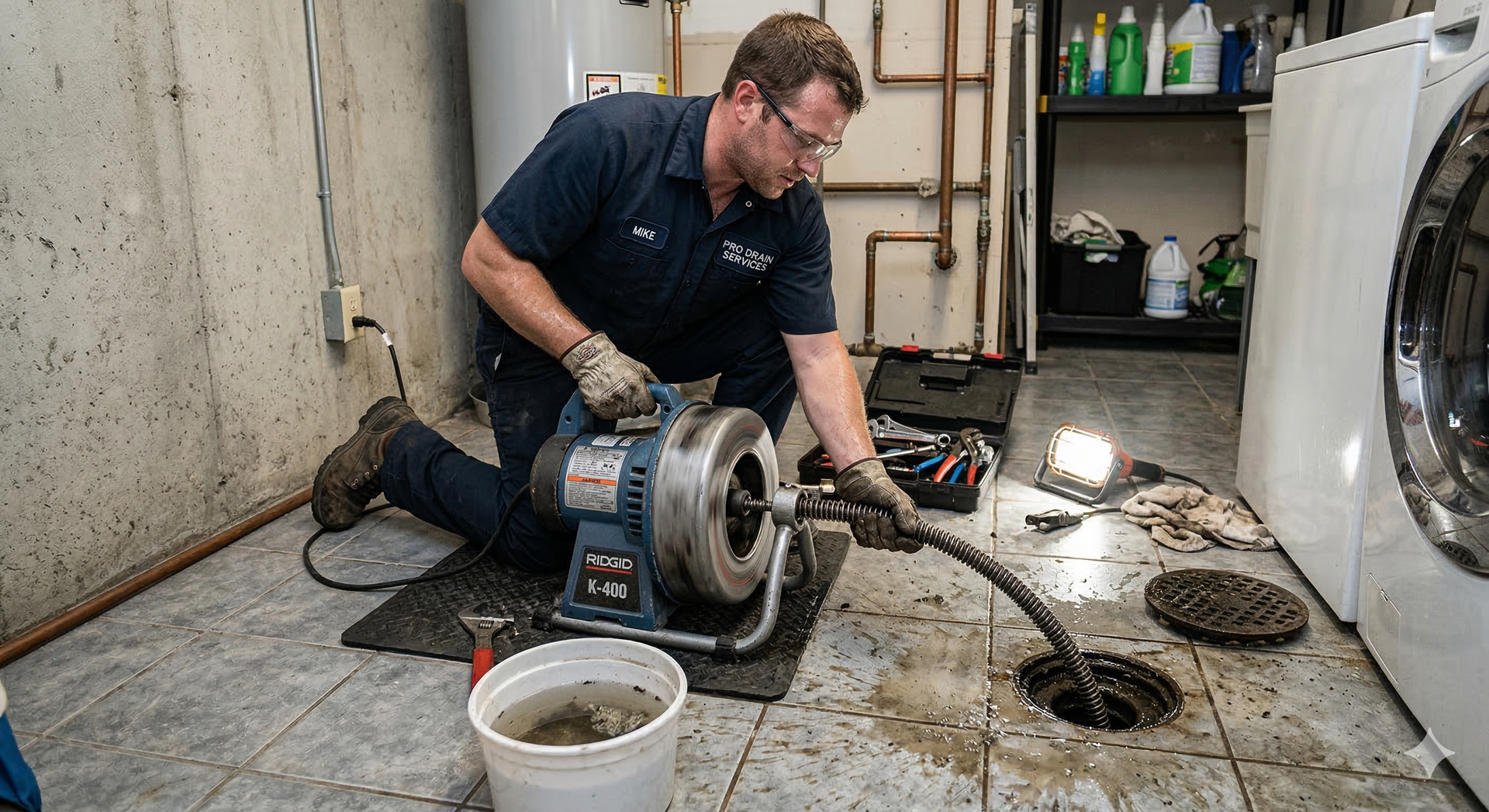
When issues arise, a systematic repair process restores functionality without unnecessary replacements. Begin by turning off the power supply or gas line to the unit for safety, then drain a small amount of water to check for sediment or unusual flow. Inspect the heating element, dip tube, and valves for visible damage, using a multimeter to test electrical components if it's an electric model. For gas units, examine the burner assembly for soot or blockages and clean as needed. Reassemble only after testing pressure relief valves to ensure they operate correctly, preventing over-pressurization. This methodical approach, when done carefully, can resolve many faults and extend your water heater's service life by years. For complex repairs, consulting professionals like All City Plumbers ensures precision and compliance with safety standards.
Isolating and Addressing Leaks
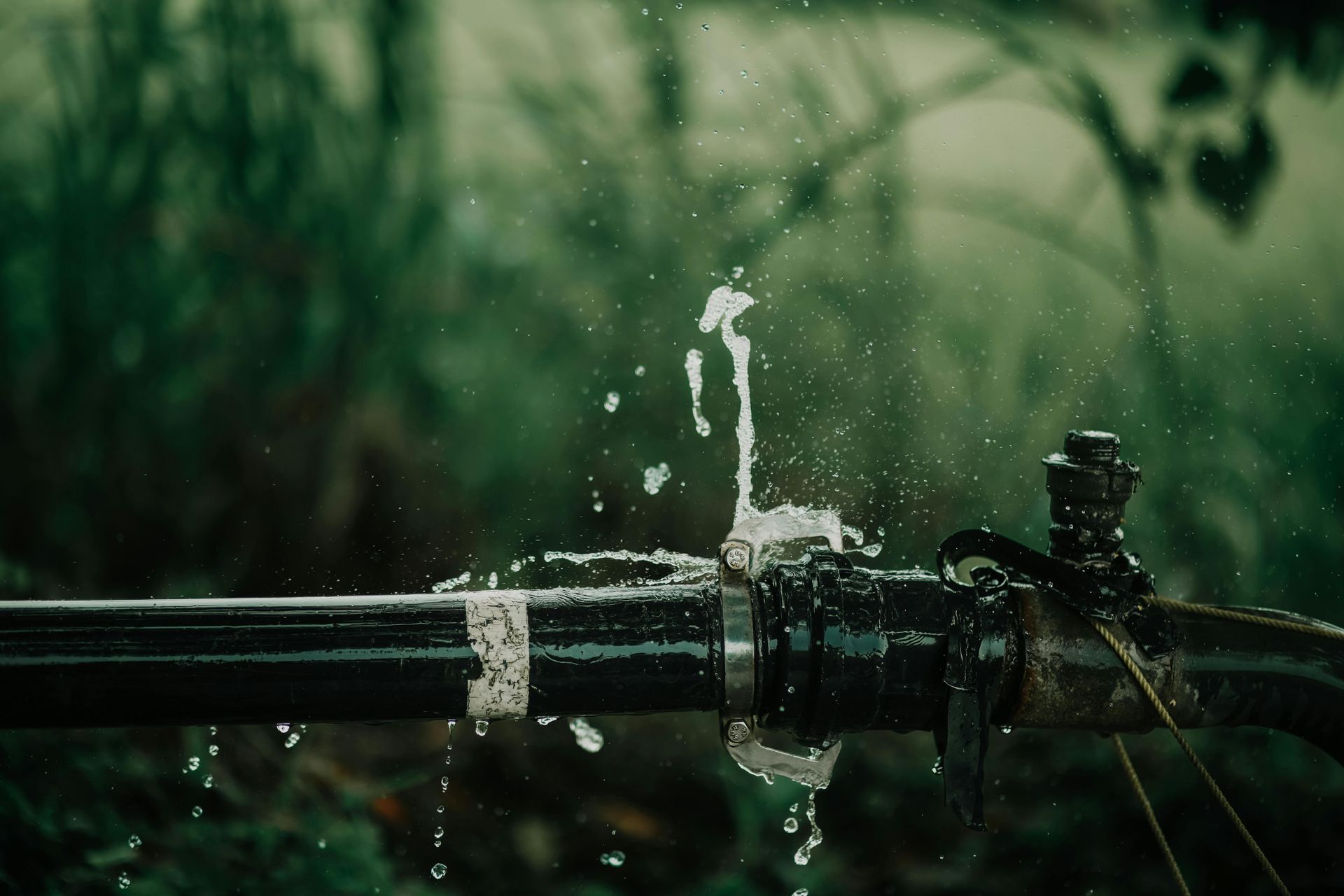
Leaks demand immediate attention to avoid water damage and further corrosion. Start isolation by drying the area thoroughly and monitoring with paper towels or chalk to pinpoint the source—common culprits include the temperature-pressure relief valve, fittings, or tank seams. Tighten loose connections gently with a wrench, avoiding overtightening that could crack fittings. If the leak persists from the valve, replace it entirely by releasing pressure first, unscrewing the old unit, and installing a new one rated for your system's specifications. For tank leaks, assess severity; minor ones near the top might warrant temporary fixes, but lower tank corrosion often signals the need for replacement. Proper isolation prevents escalation, keeping your water heater operational longer.
Effective Patching Methods
Patching offers a viable short-term solution for non-structural leaks, particularly on older tanks where full replacement isn't immediately feasible. For small holes or cracks, clean the area meticulously to remove rust and debris, then apply a high-quality epoxy putty designed for metal plumbing repairs, kneading it to activate before pressing firmly into the breach. Allow full curing per product instructions—typically 24 hours—before refilling and testing under pressure. Alternatively, silicone-based sealants work well for fitting leaks, applied after drying and sanding the surface for adhesion. These methods buy time, but they're not permanent; combine them with accelerated maintenance to monitor for recurrence. All City Plumbers recommends professional evaluation post-patching to confirm structural integrity.
How to Keep Your Plumbing Running During Power Failures
Power outages pose a unique challenge for water heaters, especially electric models that shut down entirely without backup. To keep your plumbing running during power failures, install a dedicated transfer switch for generator hookup, allowing seamless reconnection of the water heater to restore hot water quickly. For gas-fired units, ensure the pilot light remains protected with a windproof enclosure, and stock propane reserves if applicable. Insulating pipes prevents freezing in cold snaps, while bypassing the water heater during extended outages preserves residual heat in the system. These preparations minimize disruptions and protect the unit from thermal shock upon restart.
Long-Term Maintenance Strategies
Sustaining a water heater over decades requires consistent, layered strategies beyond basic upkeep. Install a water softener if hard water is prevalent, as it reduces scale accumulation and extends component life. Monitor usage patterns to avoid overloading during peak times, and schedule biennial professional inspections to catch subtle wear. Upgrading to a tankless model during remodels offers efficiency gains, but for existing tanks, smart controllers that optimize heating cycles based on demand prove invaluable. Track energy bills for anomalies, which signal inefficiencies early. Embracing these habits transforms water heater ownership from reactive to preventive, maximizing return on investment.
Conclusion
Investing time in these home maintenance tips profoundly extends your water heater's life, averting expensive emergencies and promoting household efficiency. From routine flushing and anode replacements to skilled repairs and power outage preparedness, each action builds resilience against inevitable wear. Homeowners who prioritize these practices enjoy reliable hot water for longer, with fewer disruptions and lower long-term costs.
Ultimately, while DIY efforts empower many, partnering with trusted experts like All City Plumbers for intricate tasks ensures safety and optimal results. Commit to this regimen today, and your water heater will reward you with years of dependable service, underscoring the value of proactive care in modern home management.