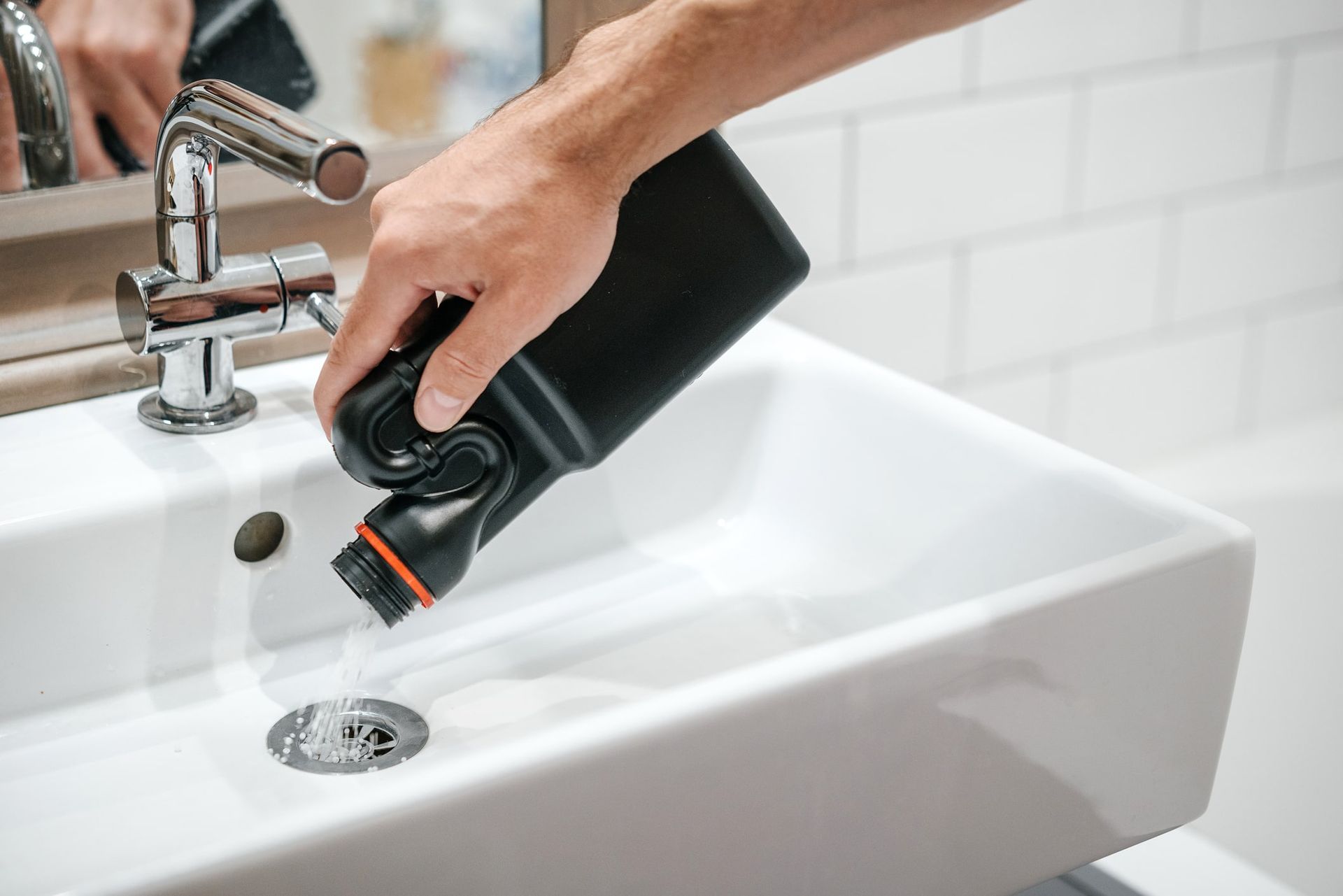
Why Plumbers Recommend Drain Cleaning For Older Pipes?
Older pipes in homes, often made from cast iron or galvanized steel, face relentless challenges from corrosion, mineral buildup, and grease accumulation over decades of use. Plumbers strongly recommend regular drain cleaning as a preventive measure to restore flow, prevent backups, and avert catastrophic failures. This practice not only maintains functionality but also extends the service life of aging infrastructure, saving homeowners from invasive replacements. Understanding the rationale behind this recommendation empowers residents to address issues proactively.
The Impact of Age on Pipe Performance
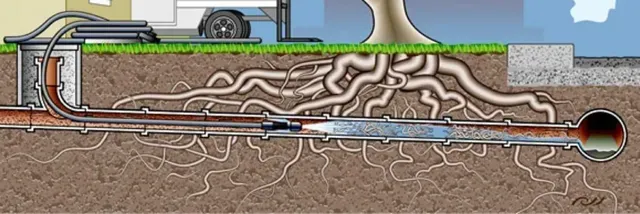
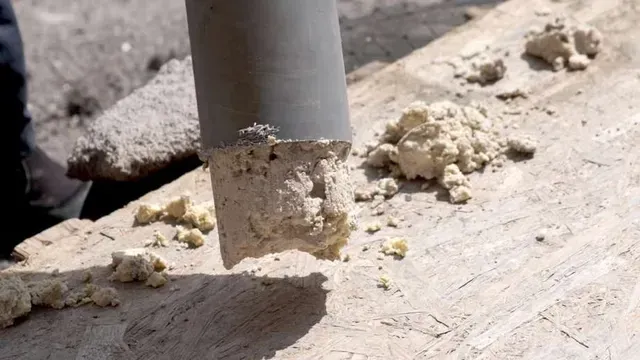
As pipes age, internal surfaces roughen from rust and scale, creating ideal traps for debris like soap scum, hair, and food particles. This buildup narrows passageways, slows drainage, and fosters bacterial growth that emits foul odors. In severe cases, blockages lead to overflows, water damage, and structural weakening. Professional drain cleaning removes these obstructions mechanically or chemically, restoring full capacity and revealing underlying damage early. Neglecting this for older pipes accelerates deterioration, making routine intervention essential.
Step-by-Step Drain Cleaning Repair Process
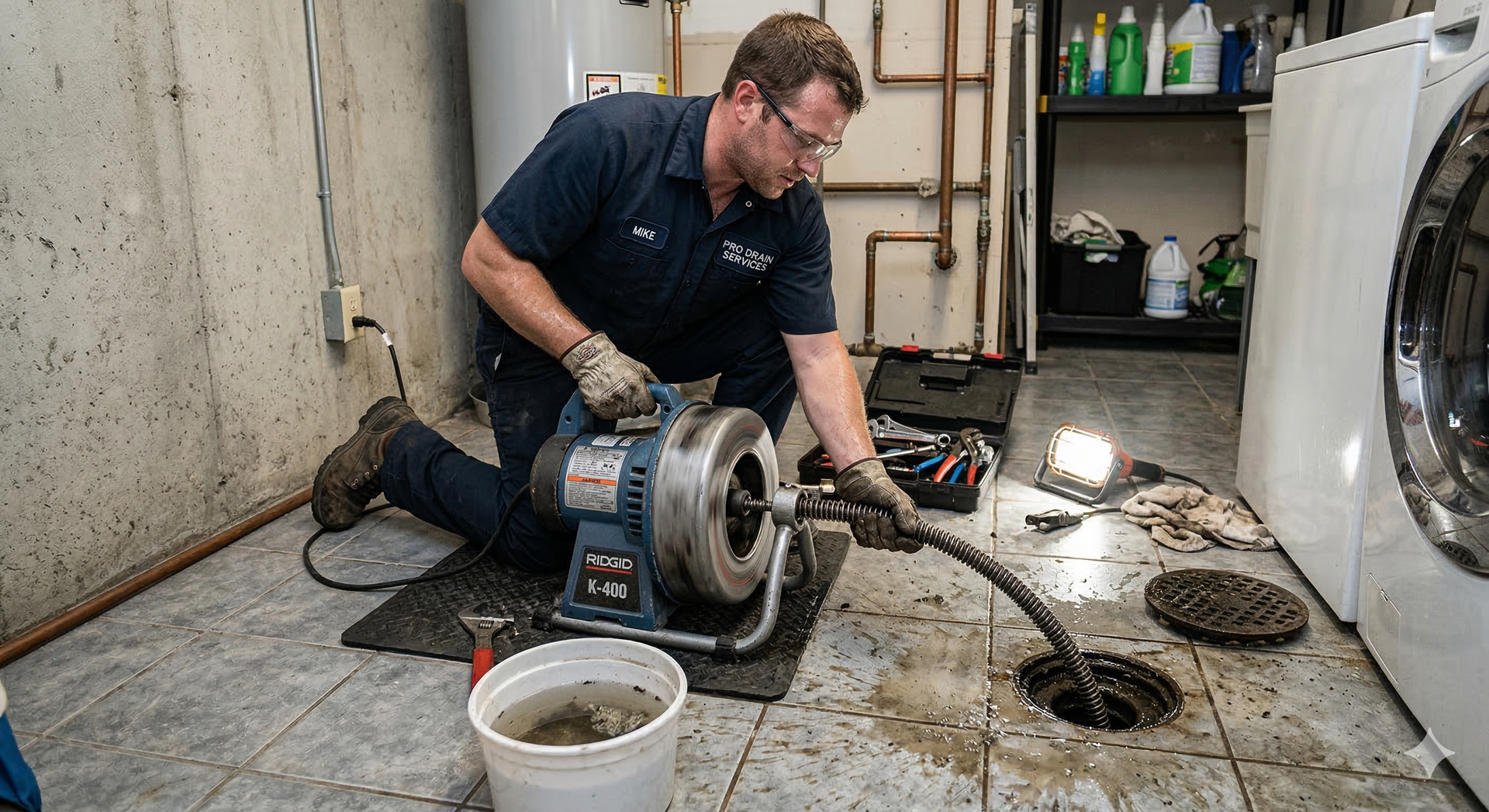
The repair process for clogged older pipes begins with a thorough inspection using a plumbing snake or camera to assess blockage depth and pipe condition. Shut off water supply to affected fixtures, then insert the auger tool slowly, rotating it to break up and extract debris without damaging fragile walls. For stubborn grease, apply enzyme-based cleaners that digest organic matter overnight, followed by hot water flushing. Hydro-jetting delivers high-pressure water to scour interiors clean, ideal for heavily encrusted pipes. Test flow post-cleaning by running multiple fixtures, ensuring complete restoration. This methodical approach revives older pipes effectively.
Isolating Leaks in Aging Systems
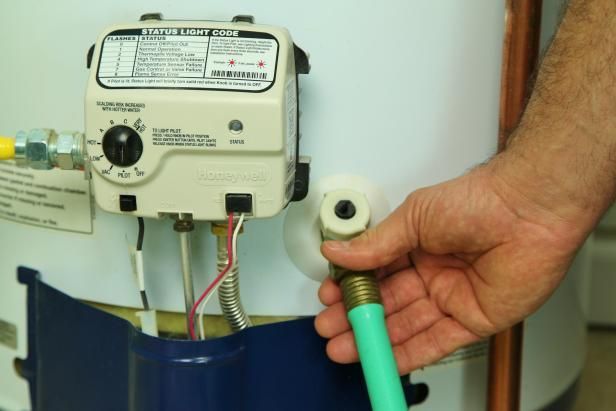
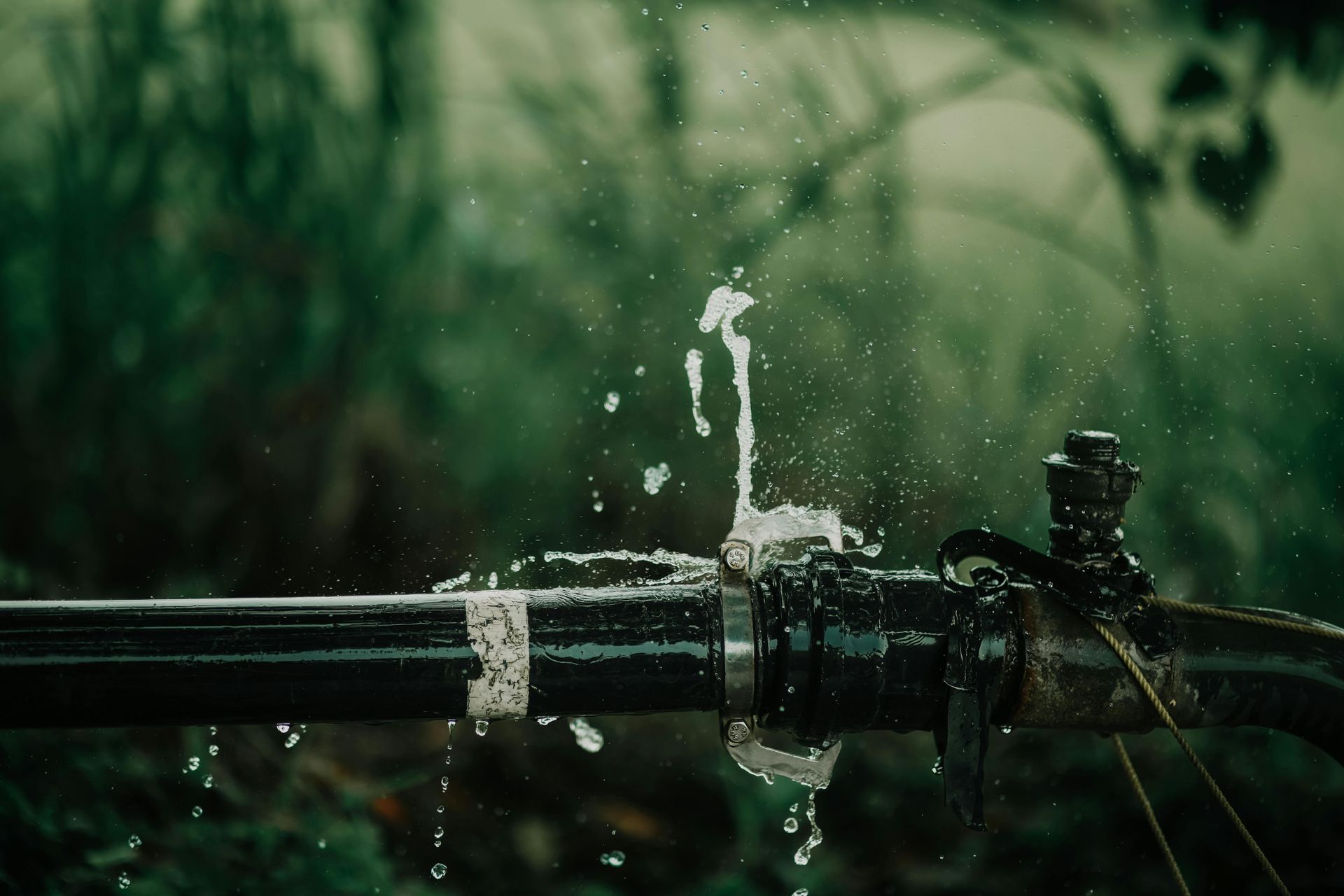
Leaks often accompany clogs in older pipes, manifesting as damp spots, low pressure, or whistling sounds. Isolation starts by shutting down the main water valve and using a moisture meter to trace seepage along the pipe run. Dry the area and apply soapy water to joints, watching for bubbles that indicate pinholes or loose fittings. Segment testing—capping sections sequentially—pinpoints the exact source without unnecessary exposure. For cast iron, corrosion pits require careful mapping to differentiate superficial from penetrating damage. Accurate isolation prevents widespread issues and informs targeted repairs.
Reliable Patching Methods for Pipe Integrity
Patching provides a bridge for minor leaks in older pipes, buying time before full replacement. Clean the affected area with a wire brush to expose bare metal, then apply plumber's putty or epoxy resin, smoothing it seamlessly for water-tight seals. For flexible patching on curved sections, fiberglass wrap kits conform and harden into durable barriers, reinforced with clamps for pressure resistance. Avoid quick fixes like tape on pressurized lines; instead, opt for cured compounds tested under flow. These methods stabilize older pipes temporarily, but pair them with cleaning to minimize recurrence.
What to Do When Multiple Plumbing Fixtures Fail at Once?
When multiple plumbing fixtures fail at once, it signals a systemic issue like a main line clog or tree root intrusion common in older homes. Immediately cease usage to avoid overflows, then contact professionals for camera inspection to visualize the blockage. All City Plumbers advises snaking the main stack first, followed by root cutting if needed, to clear shared pathways. Temporary relief comes from plunging secondary drains individually, but root cause resolution prevents repetition. This coordinated response restores whole-home functionality swiftly.
Long-Term Maintenance for Pipe Health
Sustaining older pipes demands ongoing vigilance, starting with quarterly drain clearing using natural solutions like baking soda and vinegar to dissolve minor buildup. Install drain screens to catch debris at the source, and avoid pouring grease or harsh chemicals that exacerbate corrosion. Annual professional hydro-jetting maintains smooth interiors, while pipe lining—inserting a seamless epoxy sleeve—reinforces without excavation. Monitor for slow drains as early warnings, and consider material upgrades during remodels. These strategies preserve pipe longevity cost-effectively.
Conclusion
Plumbers recommend drain cleaning for older pipes because it directly combats the primary threats of buildup and corrosion, ensuring reliable performance and delaying replacements. Through precise repair processes, leak isolation, patching, and dedicated maintenance, homeowners can manage aging systems with confidence, minimizing disruptions and expenses.
Embracing these practices, especially with guidance from experts like All City Plumbers, transforms potential plumbing nightmares into manageable routines. Prioritize drain clearing today to safeguard your home's infrastructure for years ahead, proving that prevention far outweighs the cost of cure.