How A Plumber Tests Pressure After Drain Cleaning?
After drain cleaning removes stubborn blockages, pressure testing becomes an essential step in verifying that the entire plumbing network—including pipes, valves, and fixtures—is functioning properly without hidden weaknesses. Clogs often conceal pressure imbalances caused by debris buildup, partial obstructions, or pipe deterioration, all of which can create serious stress on plumbing components once normal water flow is restored. By testing residential systems within the recommended 40 to 80 PSI range, plumbers ensure water circulates efficiently while minimizing strain on joints, seals, and connected appliances.
This process not only confirms the effectiveness of the drain cleaning itself but also helps uncover underlying concerns such as collapsed pipes, hidden leaks, or failing valves that may have worsened over time. Identifying these vulnerabilities early can keep emergency repairs from turning into full replacements, saving homeowners from significant disruption and expense. Routine pressure testing after drain maintenance ultimately improves system reliability, enhances household safety, and supports the long-term health of the home's plumbing infrastructure.
The Repair Process Following Pressure Tests
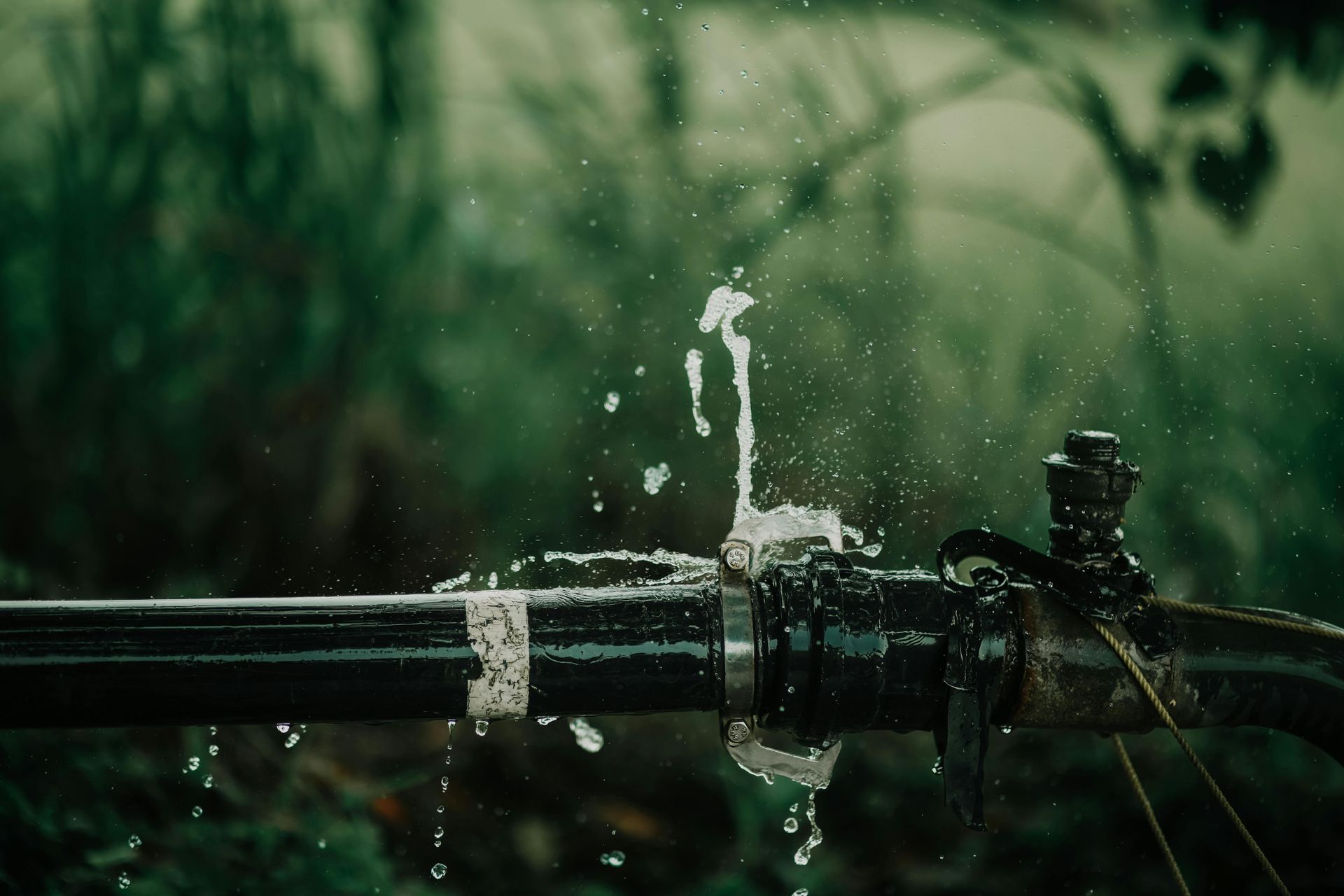
If pressure tests reveal anomalies, the repair process initiates with targeted interventions. Low readings might indicate a breach; plumbers isolate affected segments using valve shutoffs, then employ pipe-freezing tools to create temporary ice plugs for dry access. Damaged sections are cut out and replaced with PEX or CPVC segments, secured with crimp rings or expansion fittings for durability.
High pressure signals regulator failures, addressed by installing or recalibrating adjustable models. All City Plumbers integrates these repairs fluidly after drain cleaning, restoring balanced flow seamlessly.
Techniques for Leak Isolation
Leak isolation during pressure testing uses systematic methods to pinpoint escapes. Technicians attach a pressure gauge to a faucet or boiler drain, pump air into the system, and monitor for drops over 15 minutes; even a 5 PSI decline warrants further probing. Electronic leak detectors scan with electromagnetic fields, highlighting moisture behind walls or under slabs.
Dye testing injects colored tracers into pressurized lines, revealing paths of escape at fixtures or foundations. These precise techniques differentiate pinholes from major ruptures efficiently.
Patching Methods for Pressure-Related Issues
Patching addresses isolated leaks uncovered by pressure tests effectively. For pressurized mains, compression couplings encase splits, tightened to form vapor-tight seals resistant to 150 PSI bursts. Trenchless epoxy injection fills micro-cracks in accessible pipes, hardening to restore integrity without excavation.
For service lines, speed-tap saddles provide inline patches, drilled and sealed under live pressure for minimal downtime. These methods ensure rapid restoration post-cleaning.
Long-Term Maintenance After Testing
Long-term maintenance sustains optimal pressure following tests and repairs. Install whole-home pressure gauges for daily monitoring, alerting to fluctuations via smart apps. Annual professional inspections recalibrate regulators and flush aerators to prevent mineral-induced restrictions.
Adopt low-flow fixtures to reduce system stress, and consider surge protectors against water hammer. These habits preserve plumbing health enduringly.
Conclusion
Pressure testing after drain cleaning, paired with meticulous repair, leak isolation, patching, and routine maintenance, fortifies your home's plumbing system against hidden failures and escalating damage. By identifying weak points early and confirming that pipes can withstand normal operating pressure, homeowners gain confidence that repairs are both effective and durable. Experts like All City Plumbers deliver this comprehensive level of care, combining advanced diagnostic techniques with preventative maintenance strategies to keep plumbing systems performing efficiently and reliably year-round.
Such diligence prevents small plumbing issues from snowballing into catastrophic emergencies that demand costly pipe replacements or extensive property repairs. Consistent inspections, timely drain cleaning, and proactive plumbing upkeep not only extend the lifespan of your infrastructure but also protect your home's value and day-to-day comfort. Prioritizing these practices ensures uninterrupted water service, improved system efficiency, and long-term peace of mind.