The Homeowner's Guide to Sewer Line Insurance and Warranties
Sewer lines are critical infrastructure that carry wastewater from your home to the municipal sewer system or private septic tank, and their failure can result in extensive property damage, health hazards, and costly repairs that exceed thousands of dollars. Most standard homeowners insurance policies do not cover sewer line damage caused by age, wear and tear, tree root intrusion, or gradual deterioration, leaving homeowners financially vulnerable when these failures occur. Sewer line insurance and warranties provide specialized coverage that fills this gap, protecting homeowners from the financial burden of repairs and replacement. Understanding the differences between sewer line insurance offered by municipalities or private companies and warranties provided by plumbers or manufacturers enables homeowners to make informed decisions about coverage that matches their risk profile, budget, and peace of mind needs.
Types of Sewer Line Insurance and Warranty Options
Several types of sewer line insurance and warranty options are available to homeowners, each offering different coverage scopes, terms, and costs. Municipal sewer line insurance programs are offered by some cities and water authorities, covering the portion of the sewer line from the house to the municipal main, which is typically the homeowner's responsibility. These programs often have low annual premiums ranging from ten to fifteen dollars and cover repairs and replacement up to specified limits. Private sewer line insurance is offered by third-party insurance companies and provides broader coverage that may include interior sewer lines, cleanouts, and related plumbing components. Private policies typically have higher premiums ranging from fifty to一百 dollars annually but offer higher coverage limits and fewer exclusions. Service line warranties are offered by plumbing companies and cover specific components for a defined period, often included with new installations or available as add-on coverage for existing systems. Manufacturer warranties cover defects in sewer line materials for specified periods, typically ranging from one to ten years depending on the material and manufacturer. Understanding the coverage details, exclusions, claim processes, and costs of each option helps homeowners select the protection that best suits their needs.
What Sewer Line Insurance Typically Covers
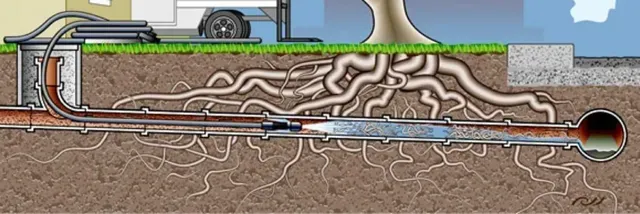
Sewer line insurance policies vary significantly in coverage, but most standard policies cover specific types of damage and repair scenarios. Typical covered perils include damage from tree root intrusion, which is the most common cause of sewer line failure as roots seek moisture and penetrate pipe joints. Collapse or breaking of the sewer line due to age, soil shifting, or ground movement is commonly covered, as is damage from external forces such as vehicle weight pressing on shallow pipes. Coverage typically includes the cost of sewer line replacement, excavation, reinstatement of landscaping, and sometimes temporary plumbing solutions during repairs. Many policies cover video camera inspection costs to diagnose problems and verify the need for repairs. Some policies extend coverage to interior sewer lines, cleanouts, and related plumbing components, while others limit coverage to the external line from the house to the municipal main. Coverage limits typically range from five thousand to twenty-five thousand dollars per claim, with some premium policies offering higher limits. Understanding exactly what your policy covers, including deductible amounts, coverage limits, and excluded scenarios, is essential for managing expectations and ensuring adequate protection.
Common Exclusions and Limitations in Sewer Line Coverage
Understanding common exclusions and limitations in sewer line coverage is critical for avoiding unexpected denials of claims and ensuring adequate protection. Most sewer line insurance policies do not cover damage resulting from lack of maintenance, negligence, or failure to address known problems, meaning homeowners must demonstrate regular maintenance and prompt attention to warning signs. Gradual deterioration, wear and tear, and age-related failures are commonly excluded, as insurance is designed to cover sudden and accidental damage rather than expected degradation over time. Damage from improper installation, code violations, or unpermitted work is typically excluded, as is damage from earthquakes, floods, or other natural disasters unless specifically added as endorsements. Some policies exclude certain pipe materials such as orangeburg, clay, or cast iron if they are known to be prone to failure. Cosmetic damage to landscaping, hardscaping, or structures above the sewer line may not be covered, or coverage may be limited to restoration costs rather than full replacement value. Pre-existing conditions or failures that occurred before the policy was purchased are universally excluded. Reading policy documents carefully, asking questions about ambiguous language, and understanding exclusions before purchasing coverage prevents unpleasant surprises when claims are filed.
The Professional Repair Process for Sewer Line Failures
When sewer line failures occur, the professional repair process follows a systematic approach designed to diagnose problems accurately, minimize property disruption, and restore proper function efficiently. Technicians begin with visual inspection of accessible areas, checking cleanouts for blockages, observing drainage patterns throughout the home, and noting symptoms such as slow drains, gurgling sounds, or sewage odors. Video camera inspection is then performed to locate the exact position and nature of the problem, identifying cracks, collapsed sections, tree root intrusion, bellied pipes, or joint failures. Once the problem is identified, technicians develop a repair plan that may involve traditional excavation and pipe replacement, trenchless pipe bursting, or trenchless pipe lining depending on the damage extent, pipe material, soil conditions, and property layout. For traditional excavation, technicians excavate along the pipe path, remove damaged sections, install new piping with proper slope and connections, and restore excavated areas. Trenchless pipe bursting involves breaking the old pipe while simultaneously pulling new pipe into place through small access points, minimizing surface disruption. Trenchless pipe lining involves inserting an epoxy-coated liner into the existing pipe, which is then inflated and cured to create a new pipe within the old one. Reputable companies like All City Plumbers employ technicians trained in all repair methods, ensuring proper diagnosis, optimal method selection, and lasting repairs that restore function and prevent recurrence.
Leak Isolation Techniques During Sewer Line Emergencies
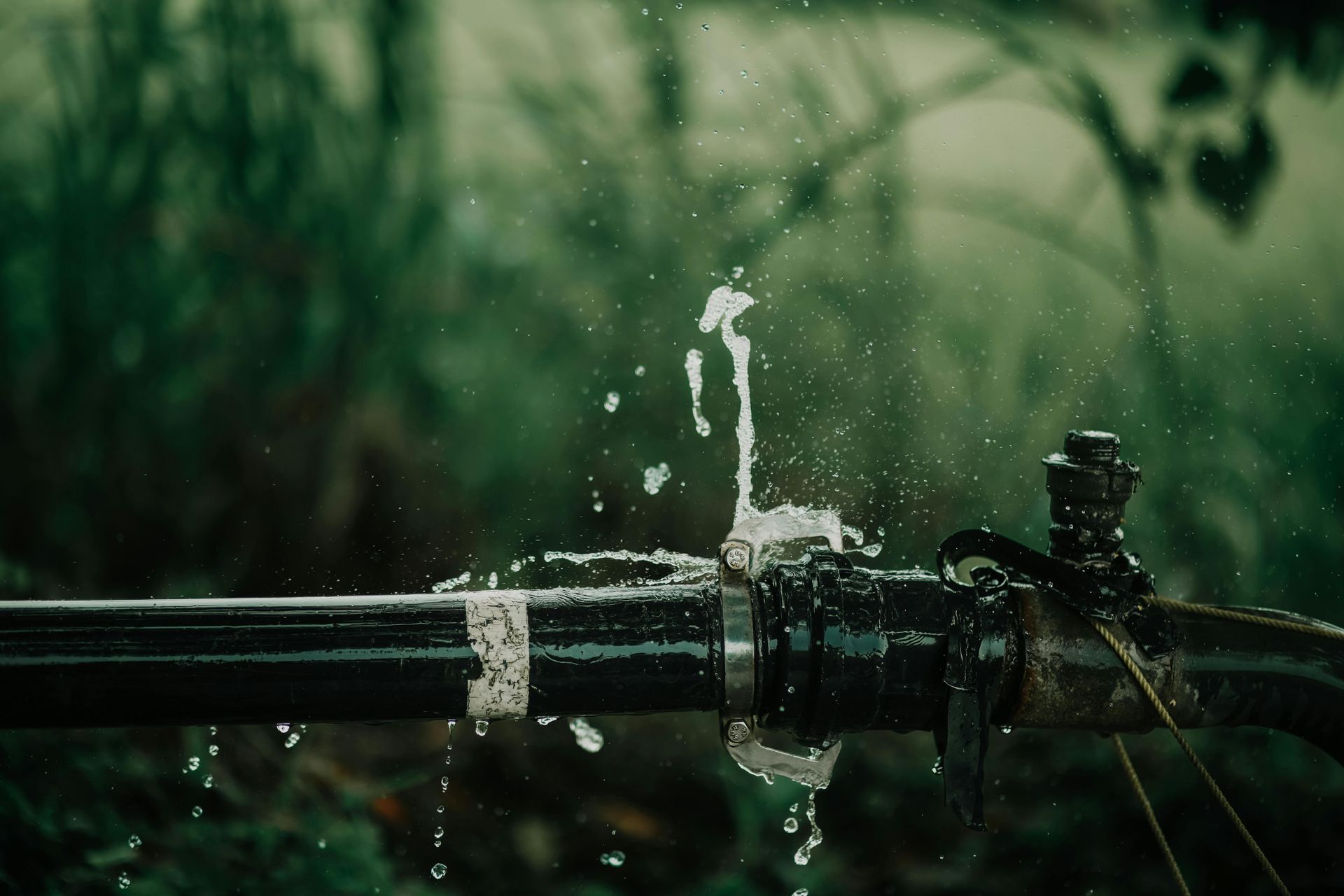
Leak isolation is critical during sewer line emergencies to prevent extensive contamination, property damage, and health hazards while repairs are scheduled. When a sewer line failure is detected, immediately stop using all water fixtures throughout the home to prevent additional wastewater from flowing through the damaged section. Avoid flushing toilets, running sinks, showers, dishwashers, or washing machines, as this adds volume to the damaged line and increases the risk of backups into the home. If possible, locate and close the main cleanout cap to prevent wastewater from escaping through the cleanout opening, though this should only be done if you are certain the line is blocked downstream and not at the cleanout. For severe backups where sewage has entered the home, contain the affected areas by blocking doorways with towels or plastic sheeting to prevent spread, and avoid contact with sewage due to health hazards from bacteria and pathogens. Effective isolation not only prevents additional contamination but also creates a safer working environment for repair crews and reduces the extent of damage to flooring, walls, personal property, and landscaping. In cases where sewage has contaminated areas, professional remediation may be necessary to properly clean and disinfect affected surfaces. Prompt and proper isolation limits the scope of contamination, reduces health risks, and minimizes overall repair and restoration costs during sewer line emergencies.
Temporary Patching Methods for Sewer Line Issues
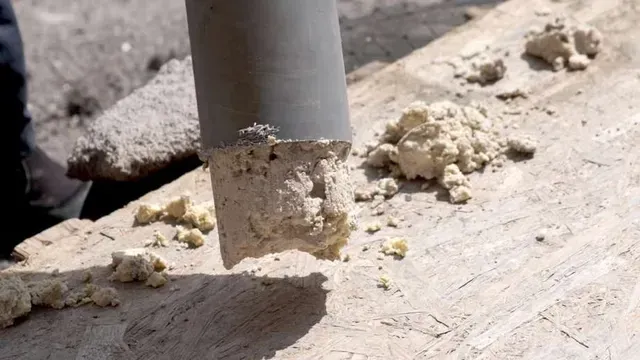
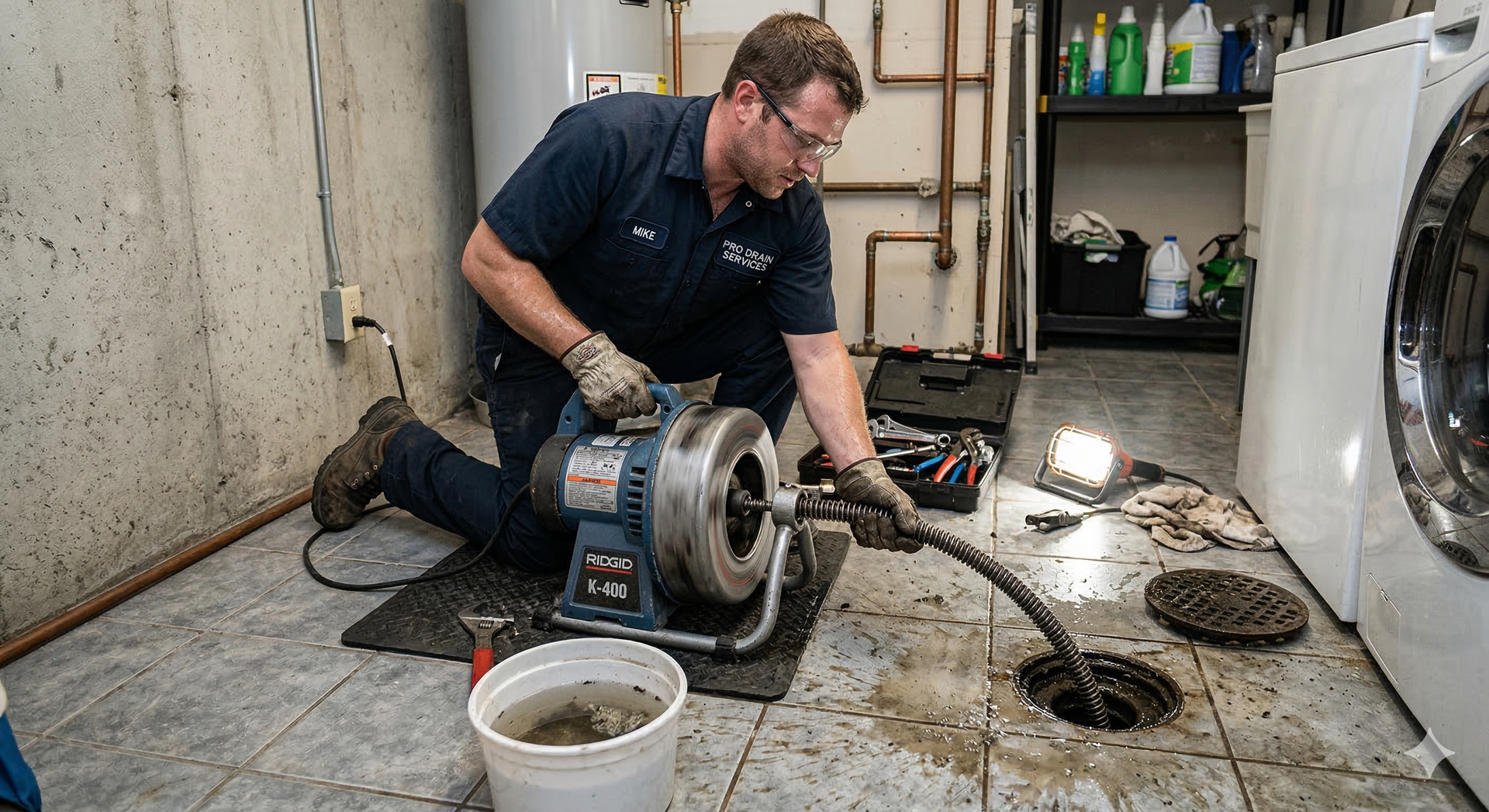
Temporary patching methods for sewer line issues are limited due to the nature of sewer lines operating under gravity flow and carrying wastewater, but some options exist for stabilizing situations until professional repairs are completed. For minor leaks at cleanout connections or accessible joints, tightening connections or replacing gaskets may temporarily stop seepage. For small cracks or holes in accessible pipe sections, waterproof epoxy or hydraulic cement may temporarily seal the leak, though these patches are not reliable for long-term use and may fail under pressure or soil movement. For tree root intrusion causing minor blockages, using a mechanical auger or root cutting tool may temporarily clear the obstruction and restore flow, though roots will regrow and require permanent resolution. These temporary measures are particularly valuable during weekends or after hours when professional repair services may be unavailable, but they should be followed by professional repair as soon as possible. In most cases, particularly when sewer lines have collapsed, are severely damaged, or have extensive root intrusion, temporary patches are not effective, and immediate professional intervention is necessary. Attempting to patch a failed sewer line rather than arranging proper repair risks severe contamination, health hazards, extensive property damage, and significantly higher costs. Recognizing when a garbage disposal clog needs an emergency plumber often coincides with recognizing when sewer line issues require urgent attention, as both can lead to backups and sanitation problems if delayed.
Long-Term Maintenance Strategies for Sewer Line Health
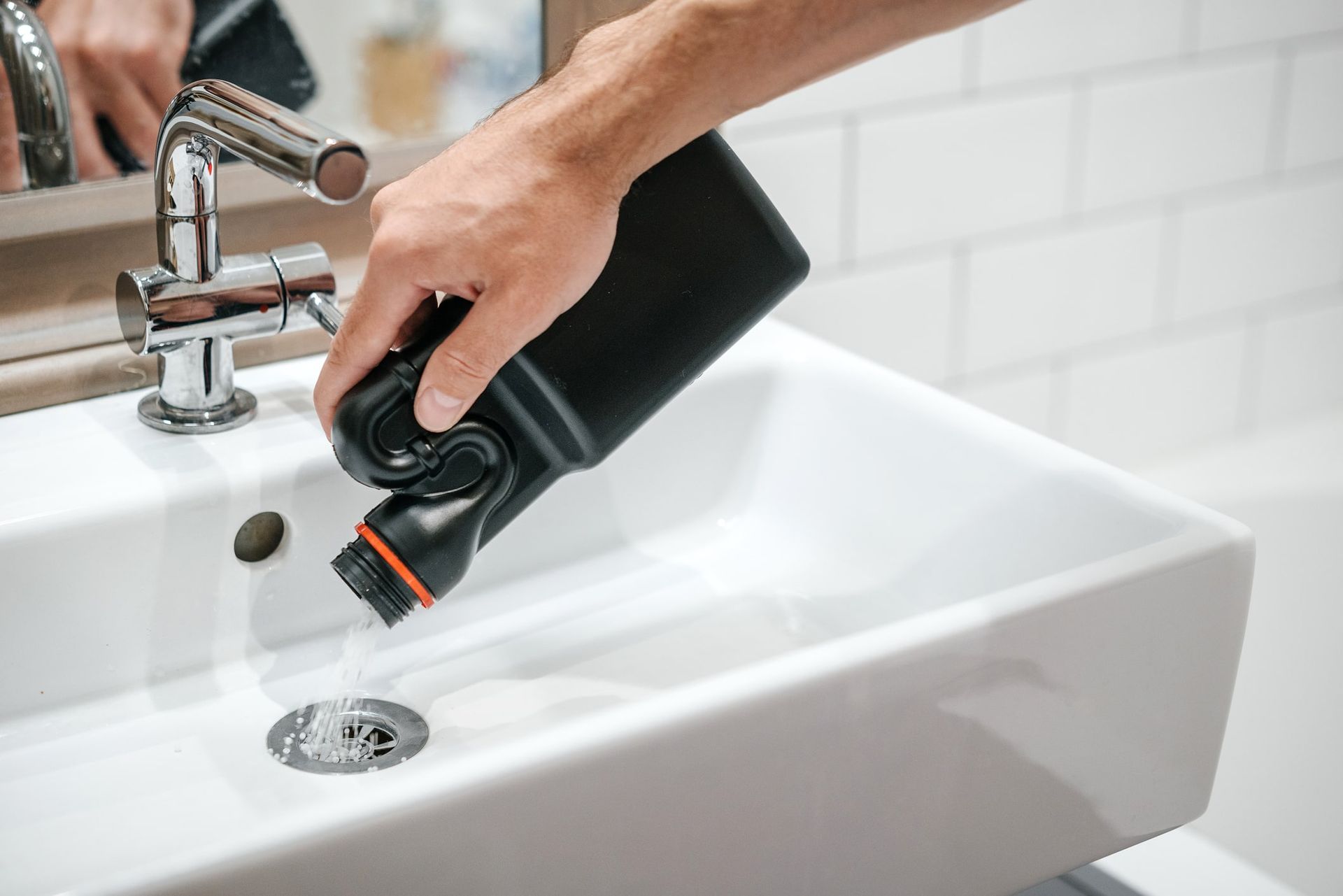
Implementing long-term maintenance strategies is essential for preventing sewer line failures, extending pipe lifespan, and minimizing the likelihood of costly repairs or claims under sewer line insurance. Schedule annual video camera inspections of your sewer line to identify early signs of damage, root intrusion, bellied sections, or buildup before they become critical problems. Early detection enables less invasive and less costly repairs compared to addressing complete failures. Avoid disposing of grease, oil, wipes, feminine hygiene products, paper towels, or other non-flushable materials down drains, as these accumulate in sewer lines and cause blockages that stress pipes and invite root intrusion. Use enzyme-based drain cleaners monthly to break down organic buildup without damaging pipes, avoiding harsh chemical drain cleaners that can corrode pipes over time. Maintain proper landscaping by planting trees and shrubs at least ten feet away from sewer lines to prevent root intrusion, and remove existing trees that are too close if root intrusion becomes a recurring problem. Install backflow prevention valves to prevent sewage from backing up into the home during heavy rainfall or municipal sewer overloads. Know the location of your main cleanout and ensure it is accessible for emergency access and routine inspections. Proper long-term maintenance prevents problems, extends the life of your sewer line, reduces the frequency of costly emergency repairs, and may be required to maintain warranty or insurance coverage validity.
Filing Claims and Navigating the Insurance Process
Filing claims for sewer line insurance requires understanding the process, documenting damage properly, and working effectively with insurance adjusters to ensure fair compensation. When sewer line failure occurs, contact your insurance provider immediately to report the claim and initiate the process. Document the damage thoroughly with photographs and videos showing visible symptoms such as sewage backups, water damage, landscaping destruction, or exposed damaged pipe. Obtain written estimates from multiple licensed plumbing contractors for repair or sewer line replacement costs, including excavation, reinstatement, and any necessary landscaping restoration. Cooperate with insurance adjusters who will inspect the damage, verify coverage, and determine the approved claim amount. Be prepared to provide documentation of regular maintenance, proof of policy coverage, and any relevant correspondence. Understand your deductible amount and how it affects your out-of-pocket costs. If your claim is denied, review the denial letter carefully to understand the reason, and consider appealing the decision with additional documentation or obtaining a second opinion from a qualified plumber. Some policies require using approved contractors or obtaining pre-approval before repairs begin, so verify these requirements before proceeding. Understanding the claims process, maintaining proper documentation, and communicating effectively with insurance providers ensures smoother claim resolution and maximizes the likelihood of fair compensation for covered sewer line damage.
Conclusion
Sewer line insurance and warranties provide critical financial protection for homeowners against the high costs of sewer line repairs and replacement, which can exceed thousands of dollars and are typically excluded from standard homeowners insurance. Understanding the types of coverage available, what policies typically cover, common exclusions and limitations, and how to file claims enables homeowners to make informed decisions about adequate protection for their specific needs and risk profile. The professional repair process, leak isolation techniques, and temporary patching methods provide tools for addressing problems effectively when failures occur, while knowing when a garbage disposal clog needs an emergency plumber helps prevent minor issues from escalating into major sewer line problems.
Long-term maintenance strategies including annual video camera inspections, proper drain use, landscaping management, and backflow prevention create a comprehensive approach to sewer line care that prevents failures, extends pipe lifespan, and minimizes the likelihood of costly claims. By selecting appropriate sewer line coverage, understanding policy terms, maintaining your sewer line proactively, and responding promptly to warning signs, you protect your home from extensive property damage, health hazards, and financial burden, ensuring peace of mind and reliable wastewater disposal for years to come.