When to Replace Plumbing Instead of Repairing?
Homeowners often face a critical decision when plumbing issues arise: invest in repairs to patch immediate problems or commit to full replacement for long-term reliability. Plumbing systems, comprising pipes, fixtures, drains, and valves, endure constant exposure to water pressure, temperature fluctuations, and mineral buildup, leading to inevitable wear. Repairs make sense for isolated, minor faults like a leaky faucet washer or a clogged trap, where costs stay low and downtime minimal. However, widespread deterioration signals the need for replacement, preventing recurring failures and escalating expenses.
Factors influencing this choice include the home's age, pipe material, local water quality, and issue frequency. Older homes built before the 1970s commonly feature galvanized steel or lead pipes prone to corrosion, while modern systems use durable copper, PEX, or PVC. Frequent repairs—more than twice annually—indicate systemic flaws, as patching one leak often reveals others nearby. Financially, repairs might total $500 initially but balloon to $5,000 over years through repeated calls; replacement, though upfront at $4,000-$15,000 depending on scope, offers 50+ years of service with warranties.
Signs That Repairs Are No Longer Sufficient
Persistent leaks despite fixes scream for replacement. If water seeps from joints, walls, or ceilings repeatedly, corrosion or material fatigue likely undermines the entire line. Low water pressure throughout the house, not just one fixture, points to buildup narrowing pipes internally—scale from hard water or rust in metal lines reduces flow by up to 50% over time. Discolored water, tasting metallic, or containing particles signals pipe disintegration, posing health risks from lead or bacteria.
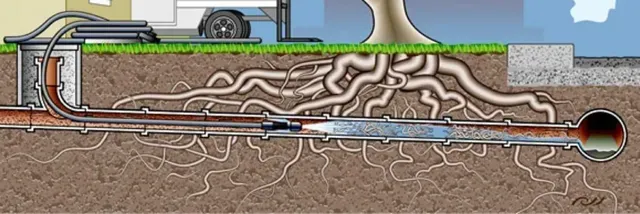
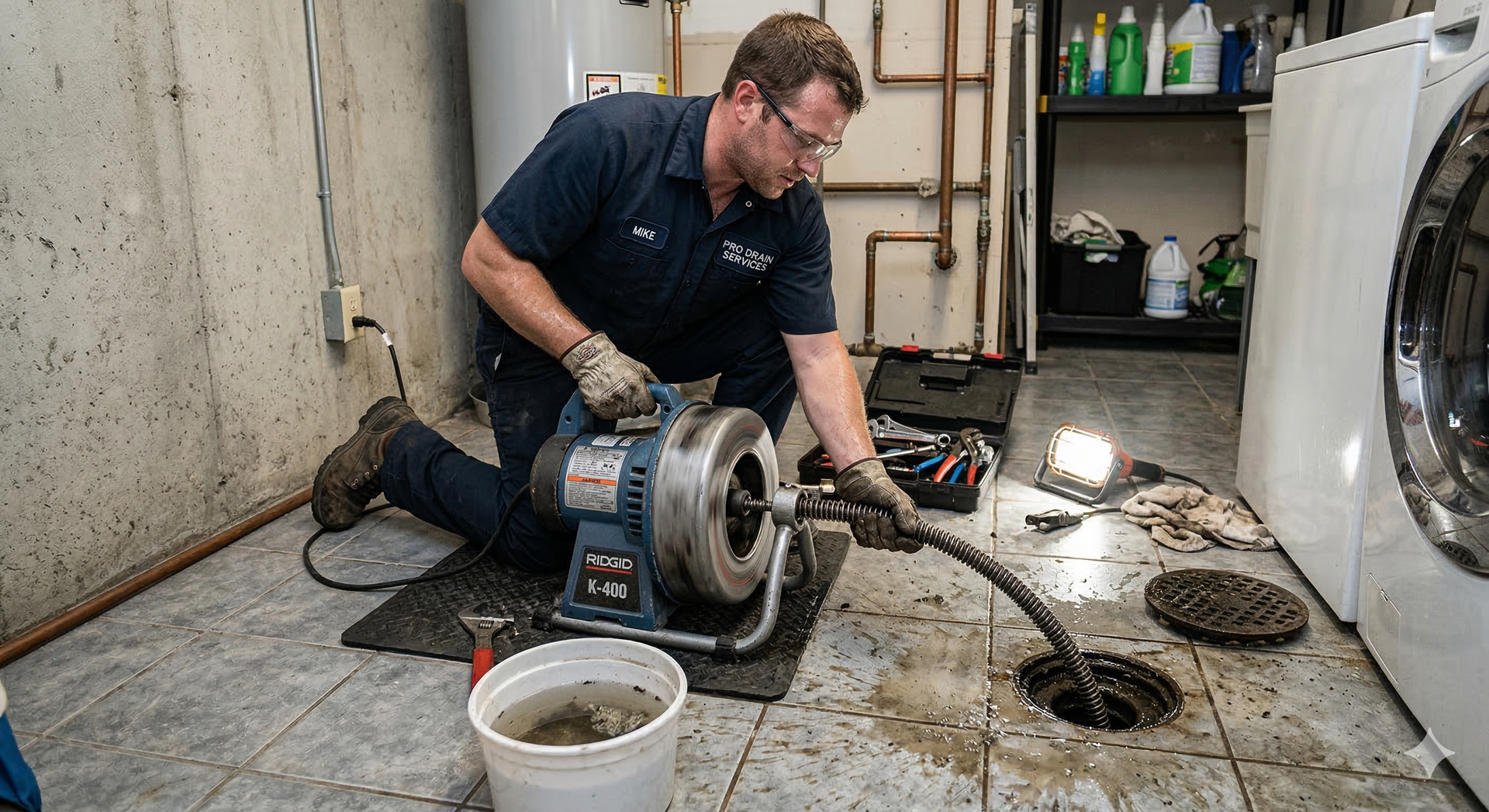
Strange noises like banging, whistling, or gurgling during use reveal air pockets from partial blockages or loose fittings compensating for degraded pipes. Sewage backups in multiple drains suggest main line clogs beyond snaking's reach, often from root intrusion or collapsed sections. Visible damage, such as bulging walls from hidden leaks or frost-heaved pipes in cold climates, demands urgent assessment. Why plumbing leaks lead to mold is straightforward: unchecked moisture penetrates drywall or subfloors, creating damp environments where mold spores thrive within 48 hours, releasing allergens that irritate respiratory systems and diminish indoor air quality.
Cost Analysis: Short-Term Fixes vs. Long-Term Investment
Repair costs accumulate stealthily. A single pipe patch runs $150-$400, but addressing galvanized lines might require digging, permits, and disruption, totaling $1,000 per incident. Multi-year tallies often exceed replacement thresholds, ignoring indirect losses like water waste (up to 10,000 gallons yearly from drips) and mold remediation at $2,000-$30,000. Insurance may cover bursts but not preventive repairs, leaving owners exposed.
Replacement shines in total cost of ownership. Repiping a 2,000-square-foot home averages $7,500 for PEX, faster and cheaper than copper's $10,000-$15,000, with installation in days versus weeks. Energy-efficient upgrades like low-flow fixtures slash bills by 20-30%. ROI materializes through fewer emergencies, higher property value (up to 5% boost per appraisals), and peace of mind. Financing options from contractors or home equity lines ease burdens, often with 0% promo periods.
Material Matters: When Old Pipes Fail
Pipe material dictates longevity. Galvanized steel, common in mid-century homes, rusts internally after 20-50 years, fostering bacteria and restricting flow. Cast iron drains from the early 1900s crack under tree roots or soil shifts, causing backups. Polybutylene pipes, installed 1978-1995, degrade from chlorine exposure, leading to class-action lawsuits and frequent bursts.
Modern alternatives excel: PEX flexes without cracking, resists corrosion, and installs via push-fit connectors, ideal for retrofits. Copper endures 70+ years but demands skilled soldering. PVC/CPVC suits drains and cold lines affordably. Assess via camera inspection—$200-$500 reveals blockages or thinning walls invisible externally. If over 40% compromised, replace proactively.
Health and Safety Risks of Delaying Replacement
Aging plumbing endangers health profoundly. Corroded lines leach lead, exceeding EPA limits and risking neurological damage, especially in children. Bacterial biofilms in rough interiors breed Legionella, causing pneumonia-like illness. Low pressure hinders proper flushing, allowing contaminants to stagnate.
Safety hazards include bursts flooding homes, weakening structures, or sparking electrical fires if water contacts outlets. Gas line integration in some systems amplifies explosion risks from weakened joints. For urgent scenarios, rely on All City Plumbers' emergency services, available 24/7 to stabilize crises before full assessments. Structural integrity suffers too—subsidence from leaks erodes foundations, costing $10,000+ to fix.
Professional Inspection and Decision-Making Process
Engage licensed plumbers for thorough evaluations using video scopes, pressure tests (gauging 40-80 PSI norms), and dye tracing for hidden leaks. Expect $300-$800 reports detailing pipe condition, material, and recommendations. They calculate repair-versus-replace ratios, factoring warranties (25-50 years for new systems).
Timeline urgency varies: cosmetic leaks allow weeks; pressure drops or backups demand days. Disruptions minimize via shutoffs and phased work, often livable with bottled water. Permits ensure code compliance, vital for insurance and resale.
Conclusion
Deciding when to replace plumbing over repairing hinges on recognizing systemic failures, crunching costs, and prioritizing safety amid material limitations. Proactive replacement averts health perils, financial drains, and disruptions, securing your home's foundation for decades. Consult experts early—investing now preserves value and tranquility tomorrow.