How To Use A Plumber’s Snake Near A Water Heater?
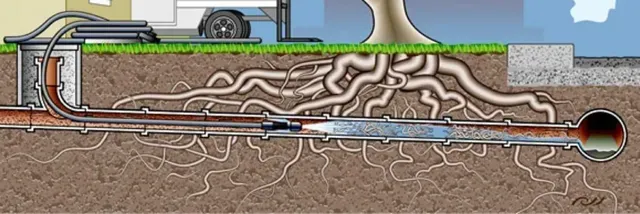
Water heaters represent a critical hub in home plumbing, where sediment, clogs, and thermal expansion often converge to create stubborn blockages. Learning to use a plumber’s snake near this appliance empowers homeowners to tackle issues safely and effectively, preventing minor drain problems from escalating. This tool, also known as a drain auger, navigates tight spaces around the heater to dislodge obstructions without disassembly. Proper technique minimizes risks like scratching tanks or disrupting connections, ensuring smooth operation.
Preparing to Use the Plumber’s Snake
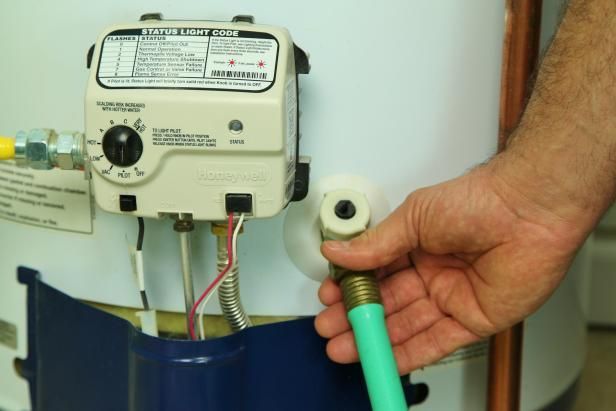
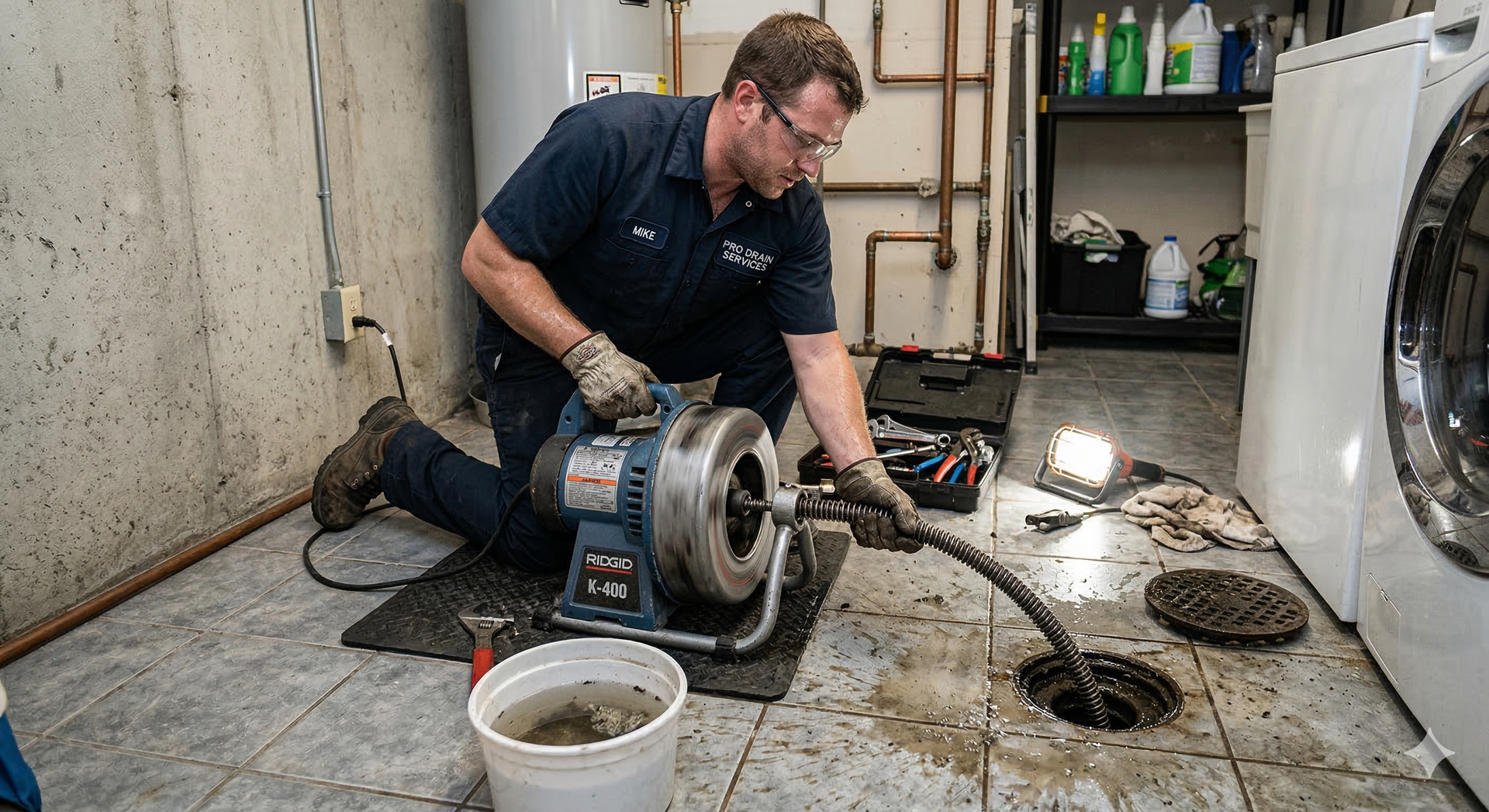
Before deploying the plumber’s snake near a water heater, shut off the power or gas supply and allow the unit to cool completely to avoid scalding or electrical hazards. Clear the area around the drain line or overflow, positioning the snake's handle for ergonomic control. Select a manual or electric model suited to the pipe diameter, typically 1/2-inch to 3/4-inch for heater-adjacent lines, and lubricate the cable with plumber’s grease for frictionless advancement.
Inspect connections visually for leaks or corrosion, as these influence snaking strategy. With safety gear like gloves and eyewear in place, feed the snake slowly into the drain opening, rotating the handle clockwise to engage the coiled tip with debris.
Executing the Repair Process
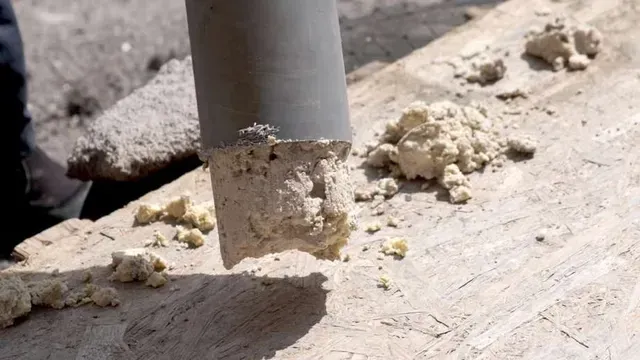
The repair process starts with gentle insertion of the plumber’s snake, advancing it incrementally while twisting to break up scale or soap scum common near water heaters. Pause frequently to retract and clear captured material into a bucket, preventing downstream clogs. Around the heater's sediment trap or anode rod access, angle the snake carefully to avoid bending the cable or puncturing thin walls.
Once resistance eases, flush with hot water to test flow, then repeat if needed. All City Plumbers trains technicians in this precise method, emphasizing patience to preserve delicate plumbing tools during operation. For persistent blockages, combine snaking with enzyme cleaners for thorough restoration.
Leak Isolation Around the Water Heater
Leak isolation near a water heater demands methodical checks post-snaking to ensure no new issues arise from agitation. Dry the area thoroughly and apply talcum powder to highlight moisture trails leading back to sources like loose fittings or cracked dip tubes. Use a flashlight and mirror to peer behind the unit, noting drips from pressure relief valves or expansion joints.
Pressure testing follows: cap the drain, pressurize the line with a hand pump, and listen for hisses or watch for bubbles in soapy solution. Expansion tanks play a vital role here, absorbing thermal growth to prevent stress leaks; inspect theirs for proper air charge. This isolation confirms the snake's work hasn't exacerbated hidden flaws.
Patching Methods for Minor Damage
When snaking reveals small punctures or worn spots near the water heater, patching methods provide quick, non-invasive fixes. Epoxy putty molds around fittings, hardening into a watertight seal ideal for galvanized pipes. For tank exteriors, silicone-based patches adhere firmly after surface sanding, bridging hairline cracks without draining the system.
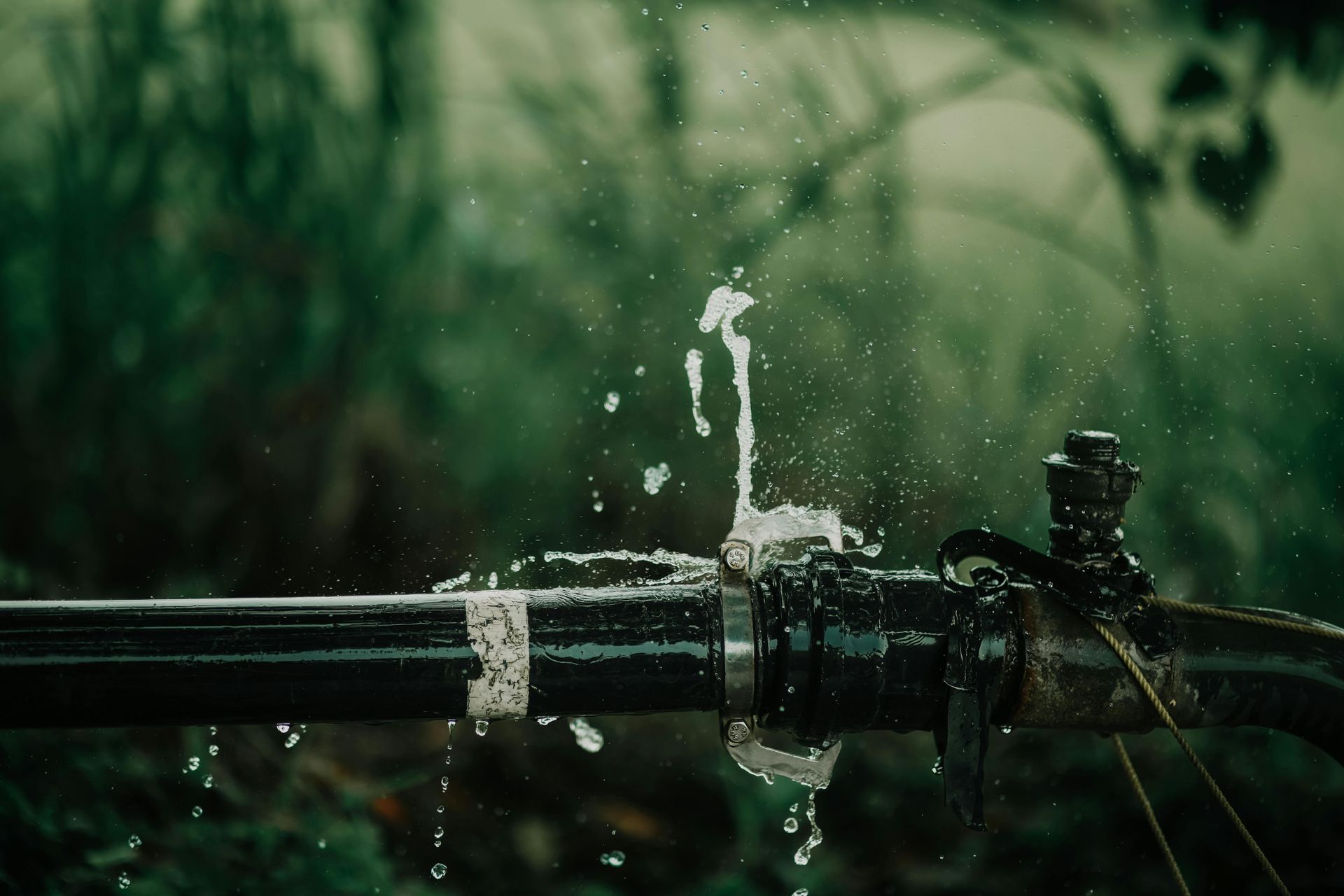
Internal patching via the anode rod port uses resin injections that cure to reinforce walls from within. Emergency services for a burst waterline and tools used, including these patches alongside plumber’s snakes, enable rapid containment during crises. These solutions buy time for comprehensive repairs while maintaining functionality.
Long-Term Maintenance Practices
Long-term maintenance after snaking involves flushing the water heater annually to remove sediment, extending its life and preventing recurrent clogs. Install a sediment filter on the inlet line and monitor expansion tanks quarterly, recharging if pressure drops below 60 psi. Schedule professional inspections to calibrate temperature-pressure relief valves, averting overpressure events.
Incorporate descaling agents during routine cleanings and insulate pipes to curb condensation buildup. These steps, paired with judicious plumber’s snake use, sustain optimal performance and reduce callouts.
Conclusion
Mastering a plumber’s snake near a water heater equips homeowners with a powerful tool for addressing clogs and initiating repairs, from isolation to patching. This hands-on approach, supported by awareness of expansion tanks and key plumbing tools, fosters proactive care that safeguards the entire system.
Ultimately, combining snaking with diligent maintenance transforms potential breakdowns into manageable tasks, ensuring reliable hot water and minimizing disruptions. Embrace these techniques to achieve enduring plumbing efficiency and resilience.