Why Plumbers Recommend Drain Cleaning For Older Pipes?
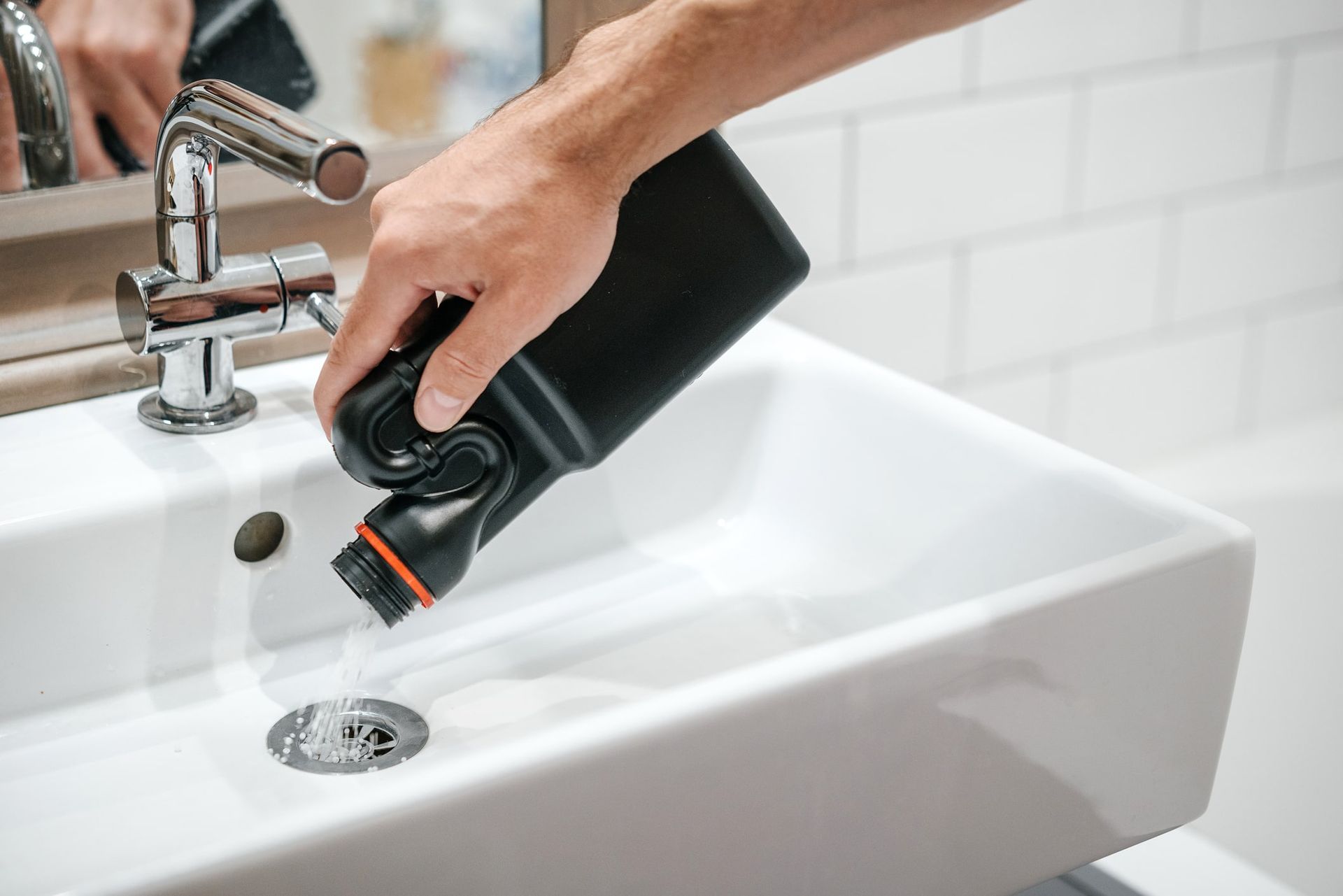
Aging plumbing systems in older homes face relentless challenges from corrosion, sediment buildup, and shifting foundations, making them susceptible to clogs and structural failures. Plumbers consistently recommend drain cleaning as the essential starting point for maintenance because it clears obstructions and uncovers hidden damage before it escalates. This service not only restores efficient water flow but also provides critical insights into the pipe's condition, enabling informed decisions on repairs and prevention.
Benefits of Drain Cleaning for Aging Infrastructure
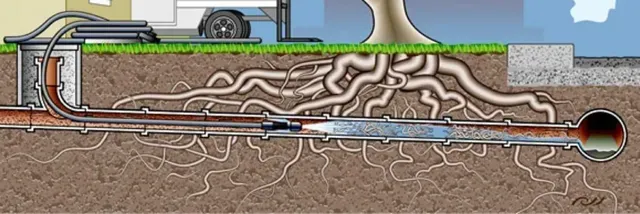
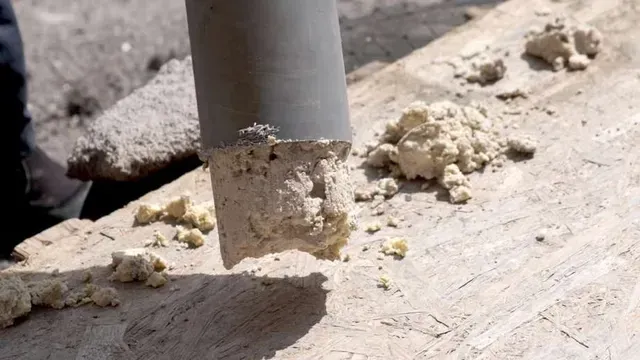
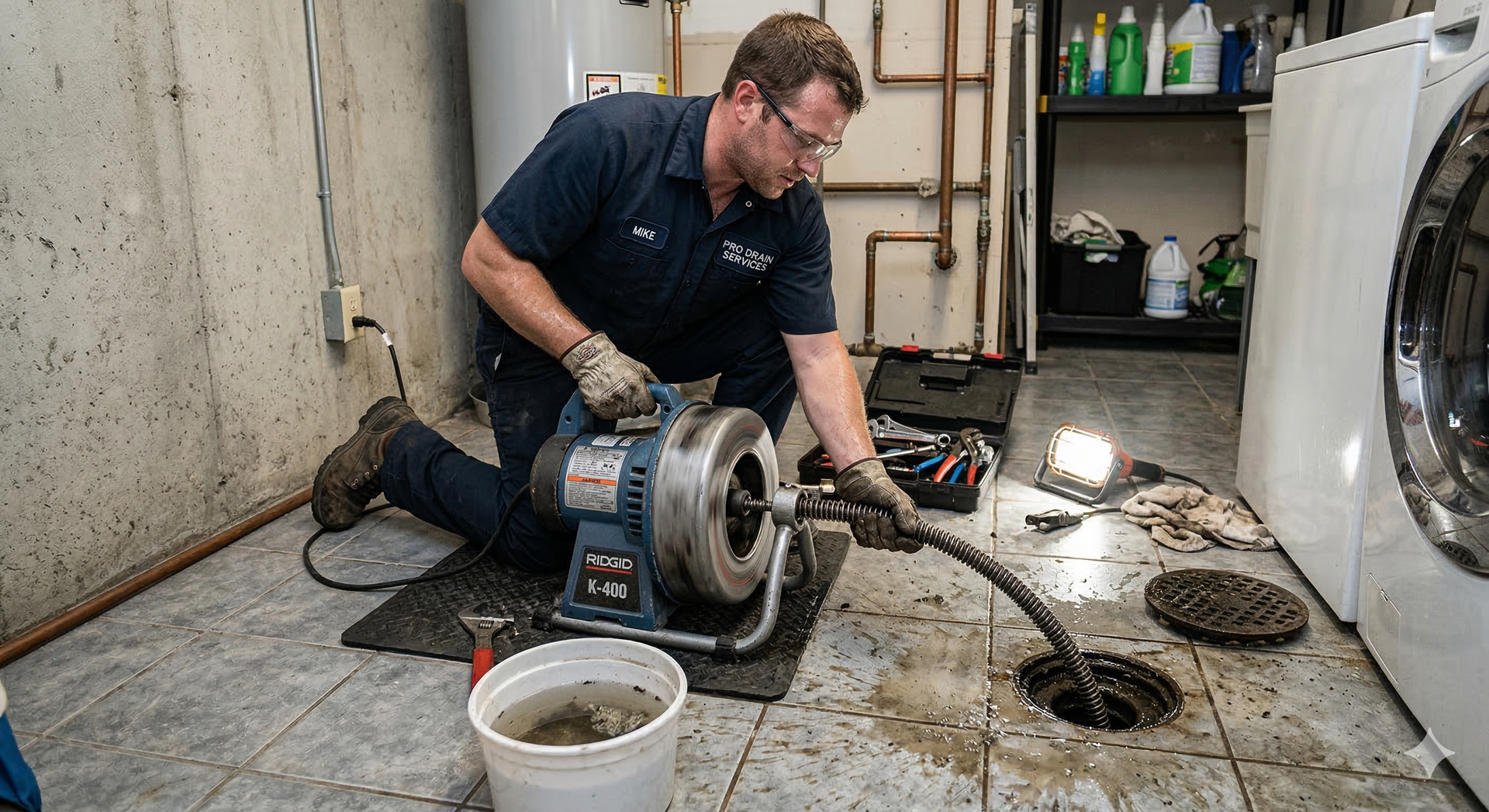
Drain cleaning targets the root of many problems in older pipes by removing layers of grease, minerals, and organic matter that accumulate over decades. These deposits create bottlenecks, increasing pressure that accelerates wear on already brittle materials like cast iron or galvanized steel. Through methods such as high-pressure water jetting or enzymatic treatments, professionals dissolve buildup safely, preventing backups and overflows that could damage surrounding structures.
Beyond immediate relief, drain cleaning offers diagnostic advantages with inline cameras that reveal pitting, cracks, or joint separations. This visibility allows plumbers to prioritize interventions, avoiding the guesswork of reactive fixes and promoting a holistic approach to pipe health.
Step-by-Step Repair Process
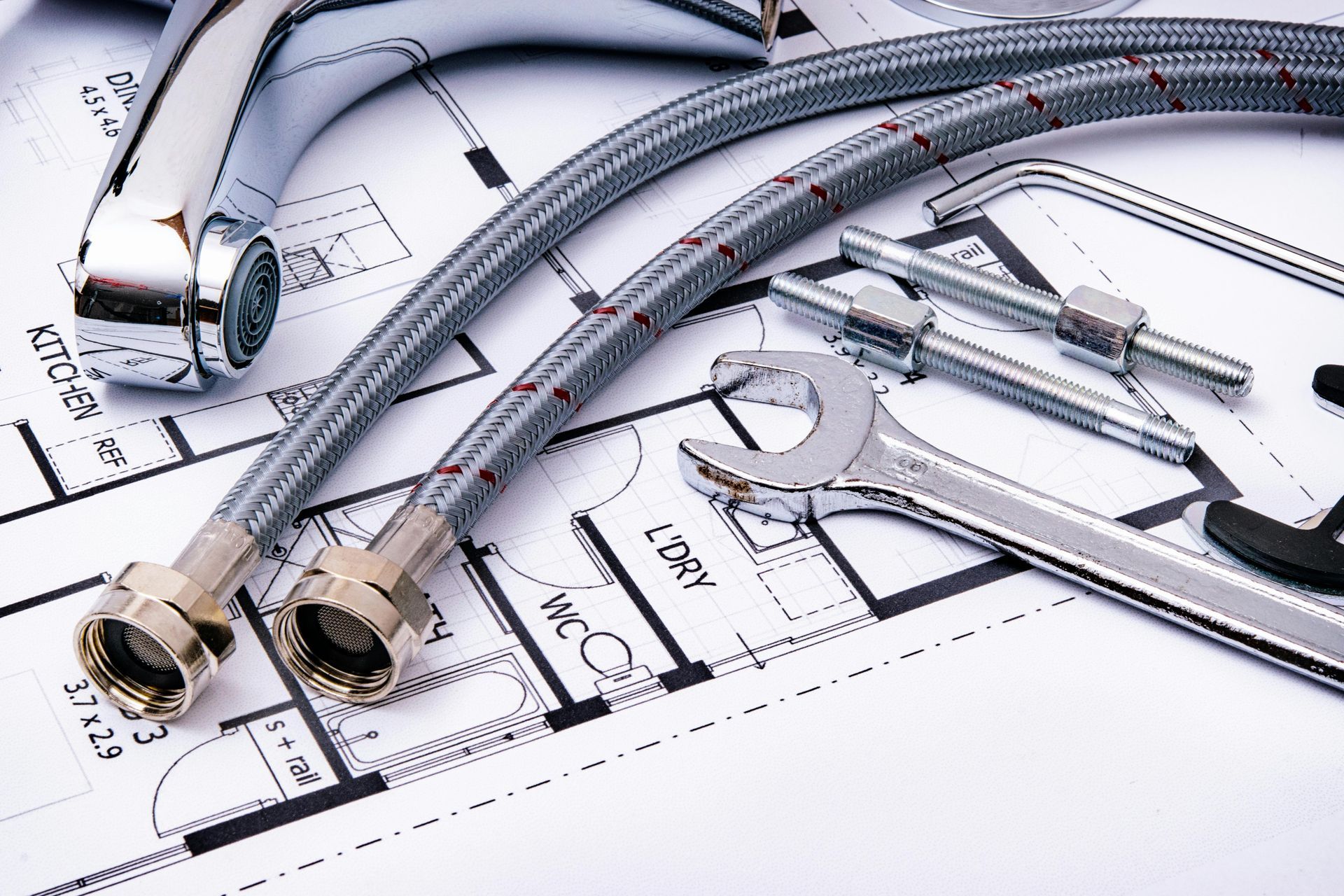
The repair process for older pipes begins post-drain cleaning, with plumbers conducting a pressure test to assess integrity across the system. They then excavate or access the damaged section carefully, using pipe cutters and wrenches to remove compromised segments. Replacement pieces, often PEX or copper for superior durability, are fitted with compression fittings or soldering for a secure seal.
Final steps include applying pipe dope to threads, reconnecting lines, and running water to check for leaks under varying pressures. This methodical sequence, honed through years of experience, ensures restorations withstand daily demands while minimizing downtime for homeowners.
Techniques for Leak Isolation
Leak isolation in older pipes requires sophisticated detection to avoid unnecessary demolition. Plumbers deploy ultrasonic listeners that amplify subtle water escape sounds through walls or slabs, combined with moisture meters to trace seepage paths. Dye tests further confirm sources by injecting colored tracers into the line, revealing exit points via visual inspection.
These techniques excel in pinpointing issues like hairline fractures or loose fittings, allowing targeted exposure rather than broad disruption. Once isolated, the leak receives immediate temporary capping, buying time for permanent solutions without widespread water shutoffs.
Advanced Patching Methods
Patching methods restore older pipes efficiently when full replacement proves impractical. Cured-in-place pipe (CIPP) lining involves inflating a resin-impregnated felt tube inside the host pipe, where it cures to form a tight, seamless new layer resistant to future corrosion. This no-dig solution suits curved or hard-to-reach runs, extending service life by 50 years or more.
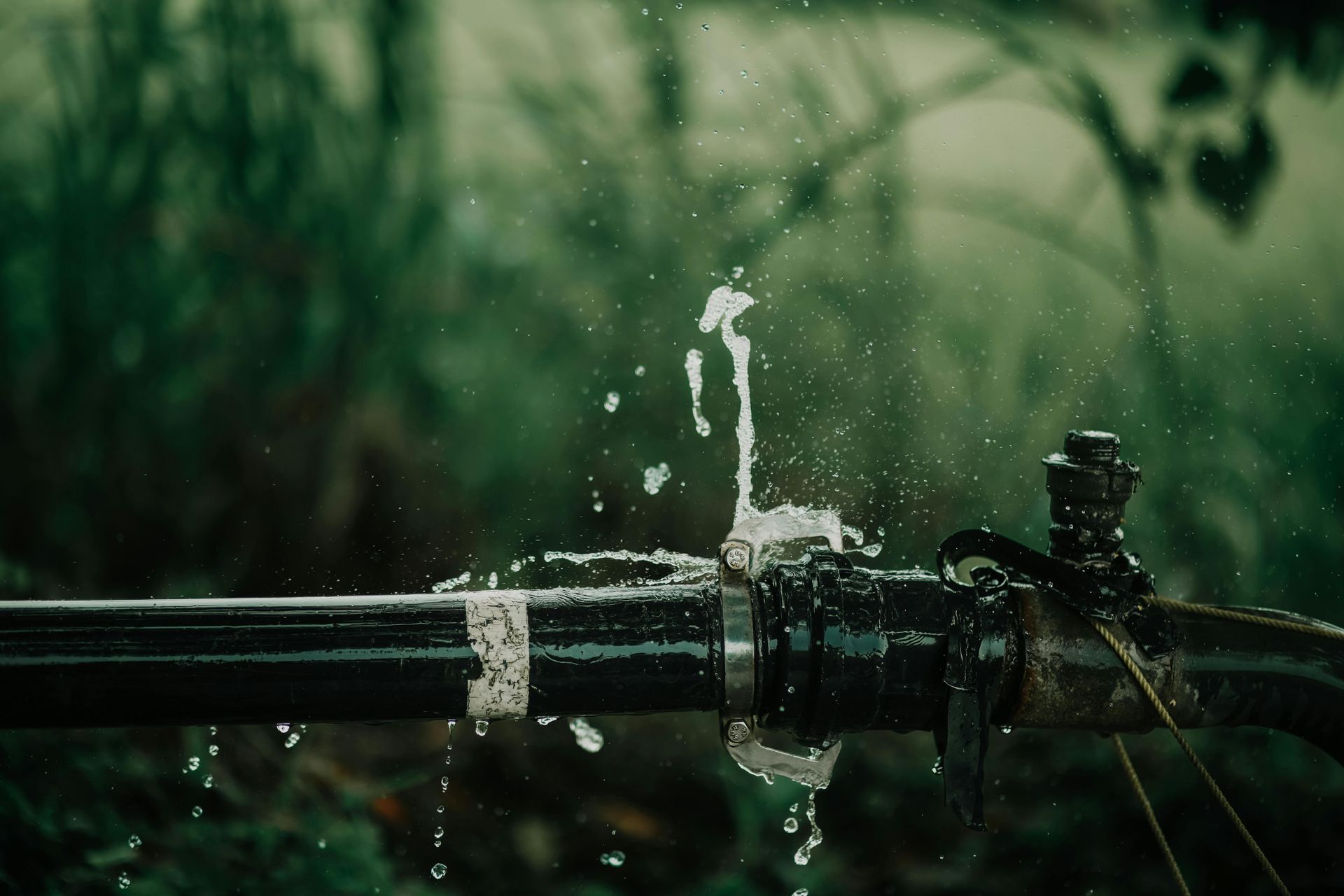
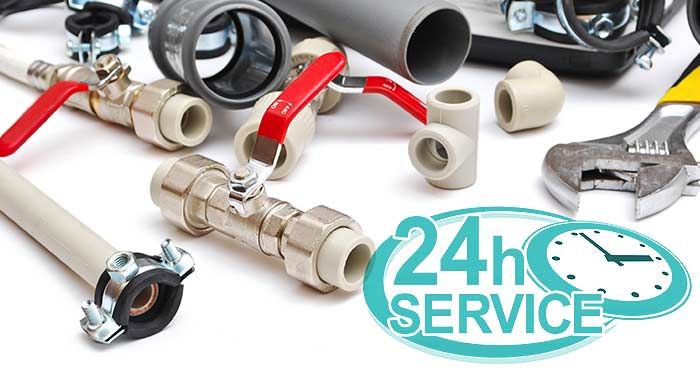
For localized damage, mechanical patches use stainless steel clamps and rubber gaskets pressed around the exterior, compressing to seal breaches. All City Plumbers favors these innovations for their speed and reliability, often integrating them during routine drain cleaning visits to address wear proactively. Emergency services for a burst waterline and tools used, such as these clamps and jetters, underscore the versatility of patching in crisis response.
Strategies for Long-Term Maintenance
Long-term maintenance of older pipes hinges on preventive drain cleaning schedules, ideally quarterly for high-use homes, to preempt buildup. Installing aerators and low-flow fixtures reduces velocity stress, while annual inspections with borescopes catch emerging flaws early.
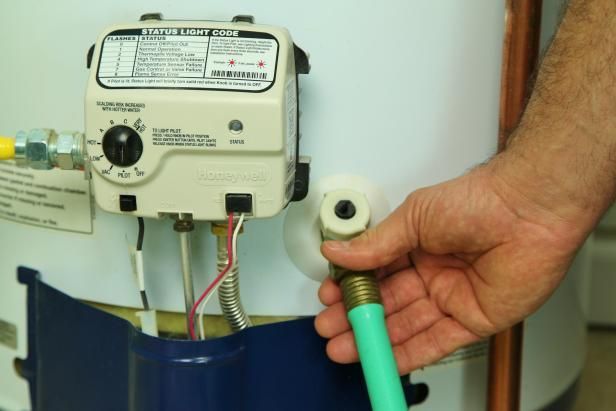
Homeowners can enhance resilience by treating water for hardness and avoiding tree roots near lines through barriers. Professional tune-ups, including anode rod replacements in water heaters, round out a regimen that defers major overhauls indefinitely.
Conclusion
Drain cleaning proves indispensable for older pipes, acting as the cornerstone of plumber-recommended care that prevents minor issues from becoming catastrophes. By facilitating precise repairs, leak isolation, and patching, it transforms vulnerable systems into robust ones, emphasizing prevention over cure.
Embracing these practices yields lasting benefits, from reduced repair costs to uninterrupted daily life. Plumbers urge homeowners to prioritize drain cleaning not as a one-off fix, but as an ongoing commitment to plumbing longevity and home integrity.